Buoyant Foam has become an important material across industrial and commercial sectors due to its lightweight structure and high resistance properties. In many manufacturing environments, this material is preferred where performance, safety, and durability are essential. Over the past decade, industries have increasingly shifted toward engineered materials that offer better efficiency, and Buoyant Foam is one of those solutions that continues to gain attention.
In packaging, construction support systems, marine applications, and protective equipment, Buoyant Foam is widely used because it maintains stability even under pressure. Moreover, companies like Samad Foam have contributed significantly to improving foam technology standards for global markets, including the USA and parts of Europe, making it more accessible and performance-driven. The adaptability of Buoyant Foam makes it suitable for both heavy-duty industrial use and lightweight commercial applications, ensuring consistent results across different environments.
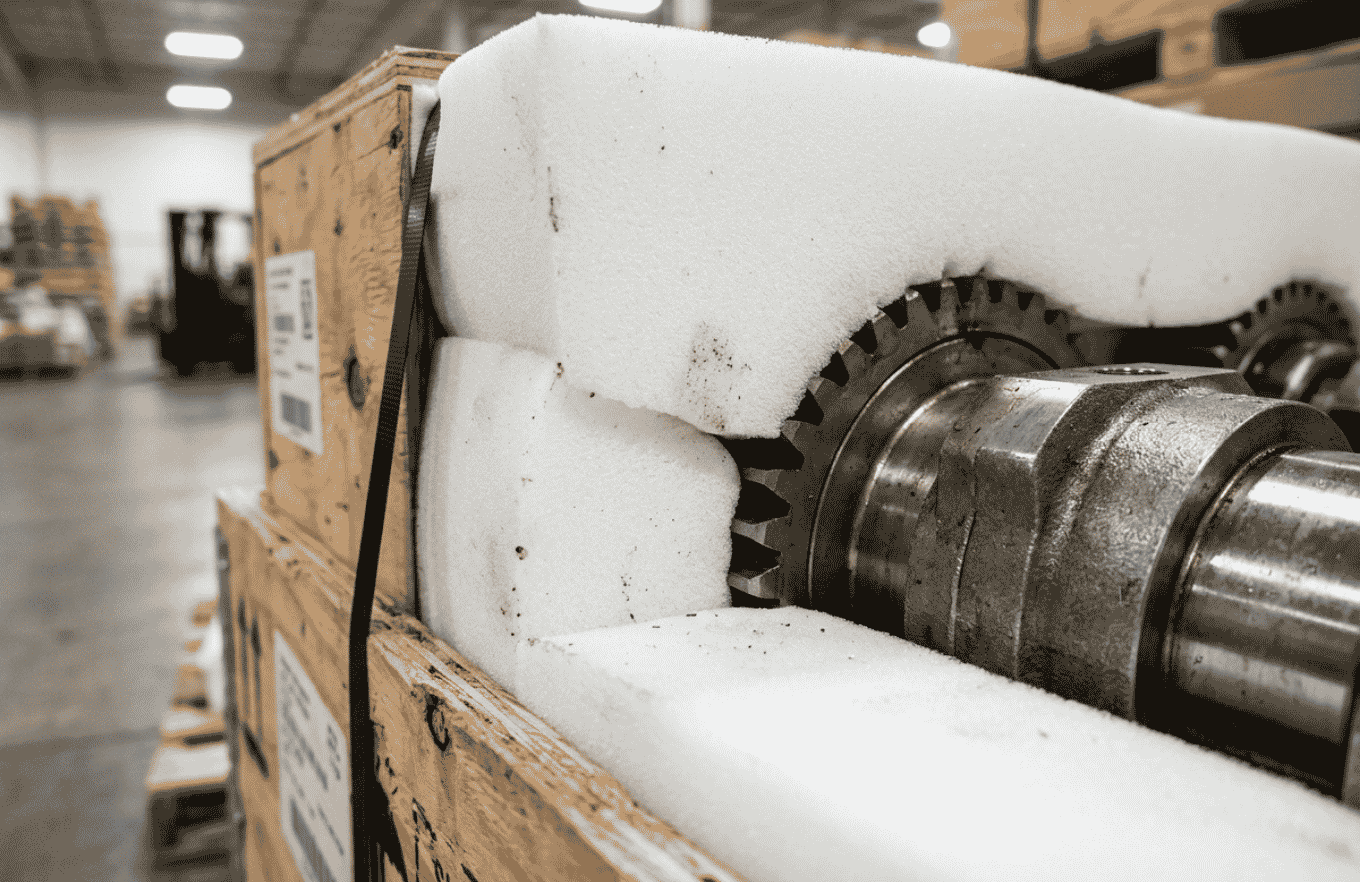
One of the strongest advantages of Buoyant Foam is its extremely low density. Despite being lightweight, it maintains structural integrity, which makes it suitable for transportation-heavy industries. This balance between weight and durability improves efficiency in handling and reduces shipping costs.
Buoyant Foam naturally resists water absorption, which allows it to maintain buoyancy over time. Furthermore, this property makes it highly reliable in marine and outdoor applications where exposure to moisture is unavoidable.
Another important feature is its shock-absorbing nature. It helps reduce impact damage during the handling and transportation of fragile goods. Many industries prefer it over conventional packaging materials because it provides better product safety.
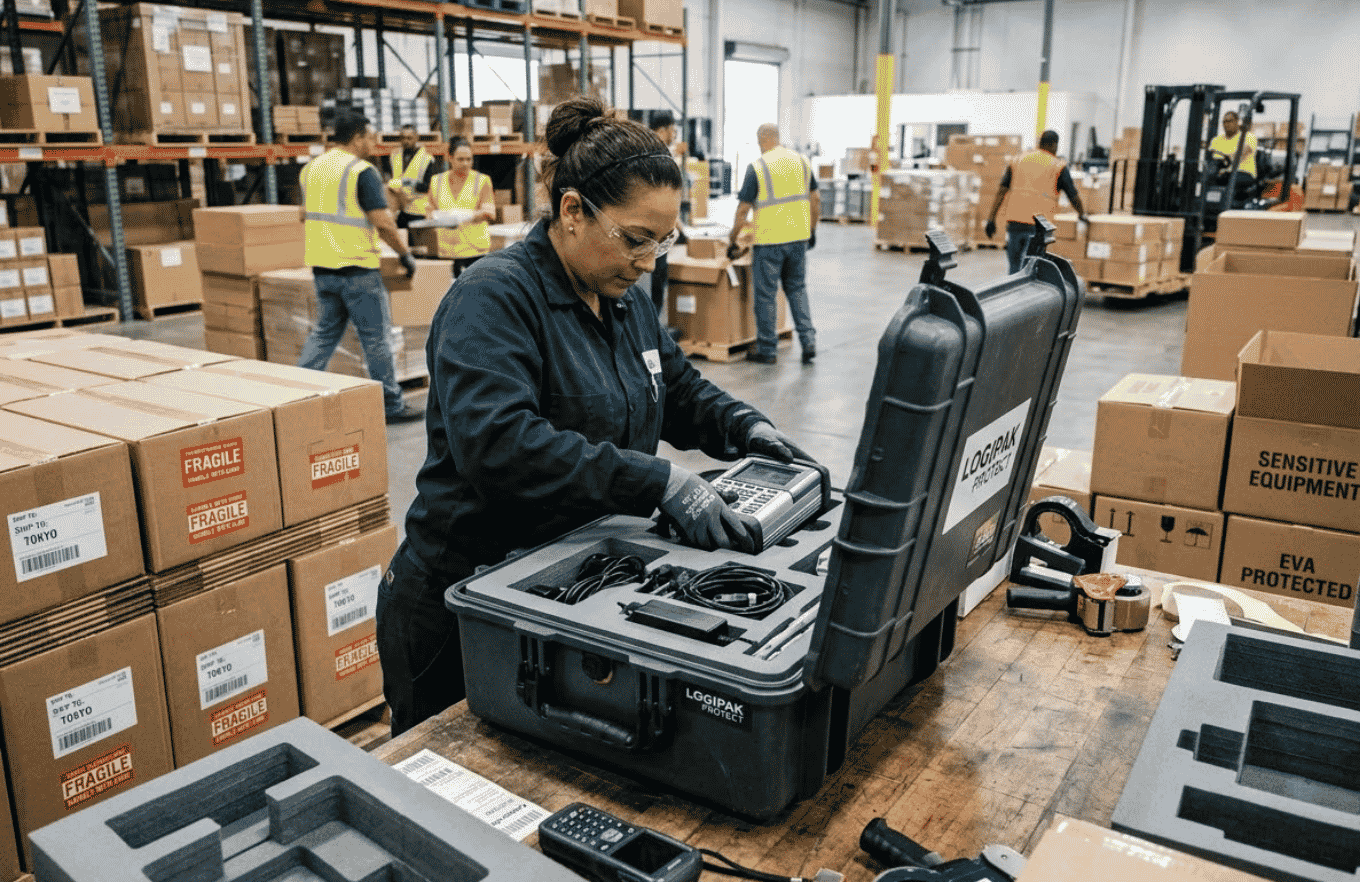
In packaging systems, Buoyant Foam is widely used for protecting electronic goods, medical instruments, and delicate machinery. Its cushioning ability reduces breakage risks during long-distance shipping.
Moreover, Samad Foam has supplied customized foam solutions to multiple logistics companies that require precision-cut packaging materials for sensitive shipments.
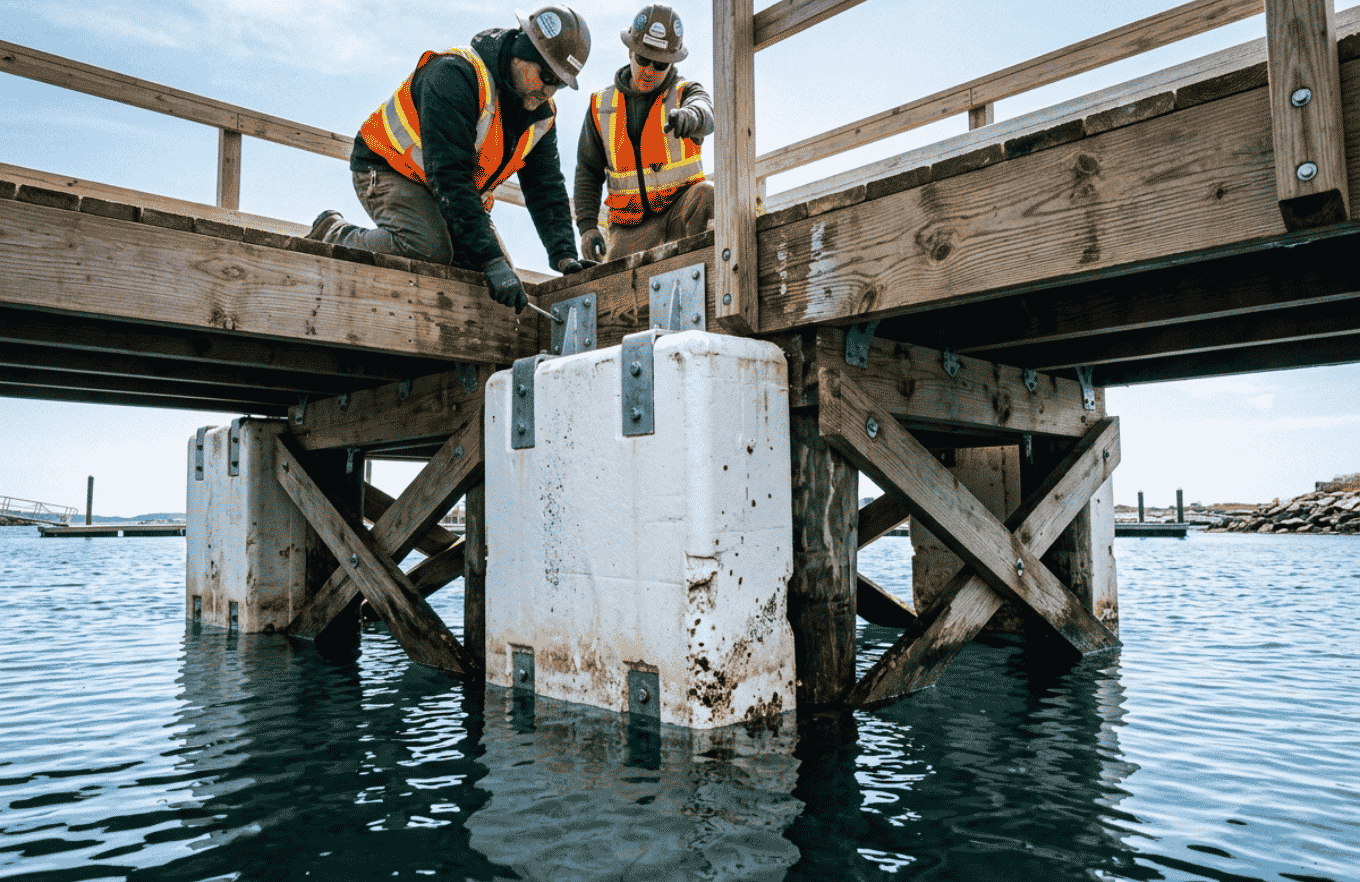
Buoyant Foam plays a critical role in marine applications such as flotation devices, docks, and water-based safety equipment. Its resistance to water absorption ensures long-term performance without degradation.
In the automotive industry, this foam is used for interior padding, vibration control, and protective layering. It enhances comfort while reducing mechanical noise and vibration impact.

Although initial material selection may vary, Buoyant Foam proves cost-effective over time due to its durability and reduced replacement needs. Businesses save significantly on maintenance and damage control.
Furthermore, using Buoyant Foam in packaging improves overall safety compliance. It minimizes product returns and damages, especially in export-oriented businesses where handling conditions vary.
From retail packaging to industrial engineering, Buoyant Foam adapts easily to multiple requirements. Its flexible structure allows manufacturers to shape it according to product specifications.
Samad Foam has played a role in supplying industry-grade foam materials that meet international quality expectations, including markets in the USA where performance standards are highly regulated.
Modern Buoyant Foam solutions are designed to minimize waste generation during production and usage. This supports more efficient resource utilization in manufacturing cycles.
Furthermore, many suppliers are moving toward recycled foam solutions that reduce environmental impact. This aligns with global sustainability goals across industrial sectors.
Most modern foam production systems consume less energy compared to traditional materials, which contributes to lower carbon output during manufacturing.
Although Buoyant Foam performs well in most environments, extreme temperature conditions can affect its physical properties over time.
Choosing the right density and grade is important. Incorrect selection may reduce performance efficiency in specialized applications.
Not all industries can use the same foam type. Customization is often required to meet specific mechanical or environmental needs.
The demand for Buoyant Foam is expected to grow as industries shift toward lightweight, efficient, and sustainable materials. Moreover, innovation in foam technology continues to improve durability and adaptability.
Companies like Samad Foam are expanding their production capabilities to meet rising demand in international markets, including the USA and selected European regions. This global expansion reflects increasing reliance on advanced foam solutions for industrial growth.
Furthermore, the integration of smart manufacturing techniques is expected to enhance product consistency and performance in the coming years.
Buoyant Foam continues to prove its importance in both industrial and commercial sectors due to its strength, versatility, and efficiency. From packaging protection to marine applications, it delivers consistent performance across multiple environments. Its growing adoption reflects a shift toward more advanced and reliable material solutions in modern industries.
Contact our experts today to explore customized buoyant foam solutions designed for industrial performance, durability, and efficient commercial applications across global markets.
Buoyant Foam is commonly used in packaging to protect fragile goods from impact, vibration, and moisture during transportation and storage.
Yes, Buoyant Foam is widely used in marine environments due to its water resistance and strong floating capability.
Its lifespan depends on usage conditions, but high-quality Buoyant Foam can last for several years without significant performance loss.
.svg)

.svg)