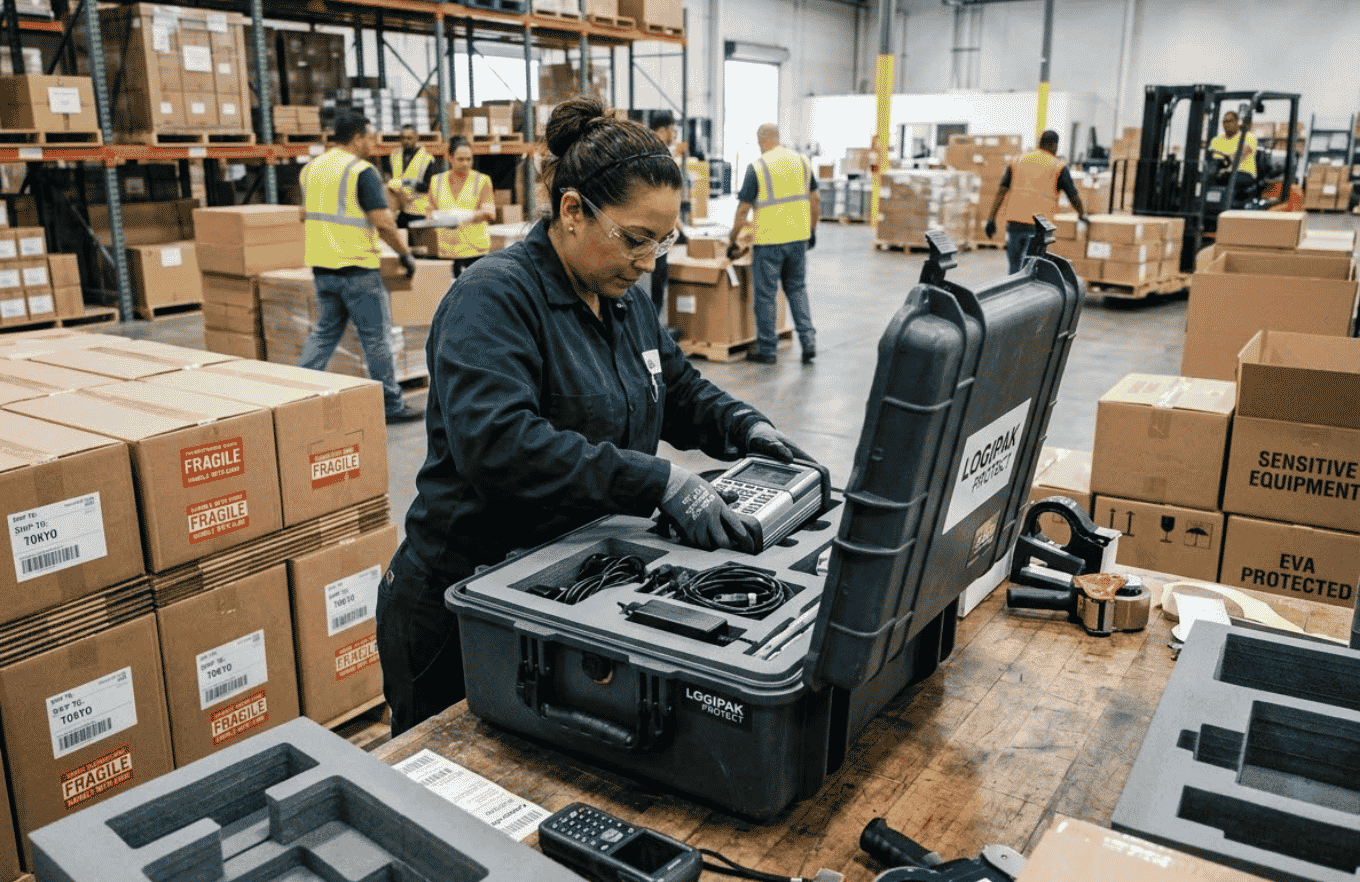
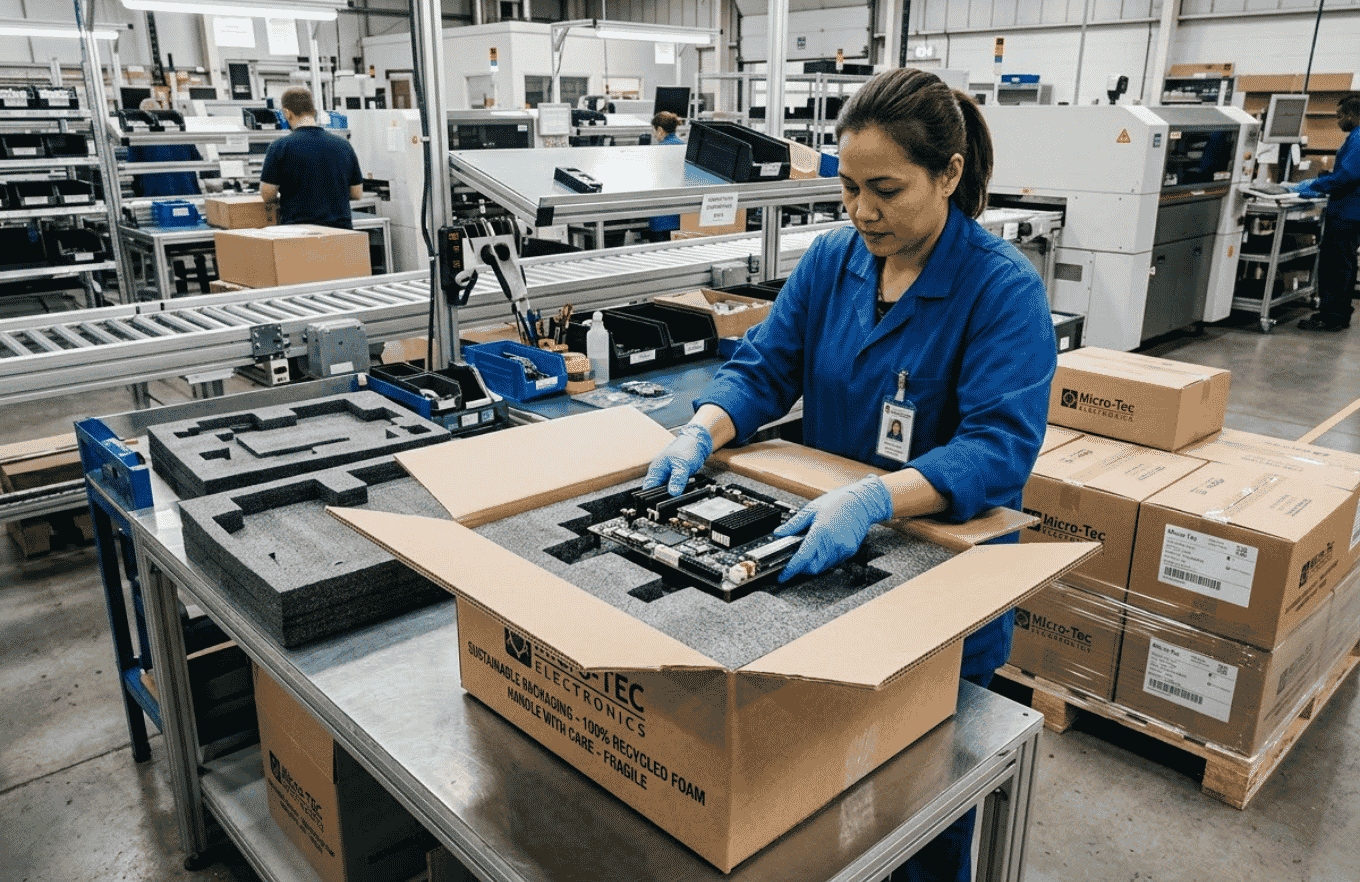
Sustainable product design is no longer simply about creating products that perform well. Manufacturers are increasingly looking at how materials are sourced, processed, used, and managed at the end of a product's life. In this shift, Recycled Foam offers an interesting route toward reducing material waste while supporting practical manufacturing requirements. Instead of treating suitable foam waste as something with no further value, manufacturers can incorporate recovered material into new applications where its characteristics are appropriate.
From packaging and protective products to cushioning and industrial components, recycled materials are becoming part of broader circular manufacturing strategies. EVA Foam can also play a role in this conversation because of its lightweight construction and versatility across multiple applications. Samad Foam supports customers looking for foam solutions for different markets and requirements. In this blog, we explore why recycled materials are becoming increasingly relevant to sustainable product development and what manufacturers should consider before adopting them.
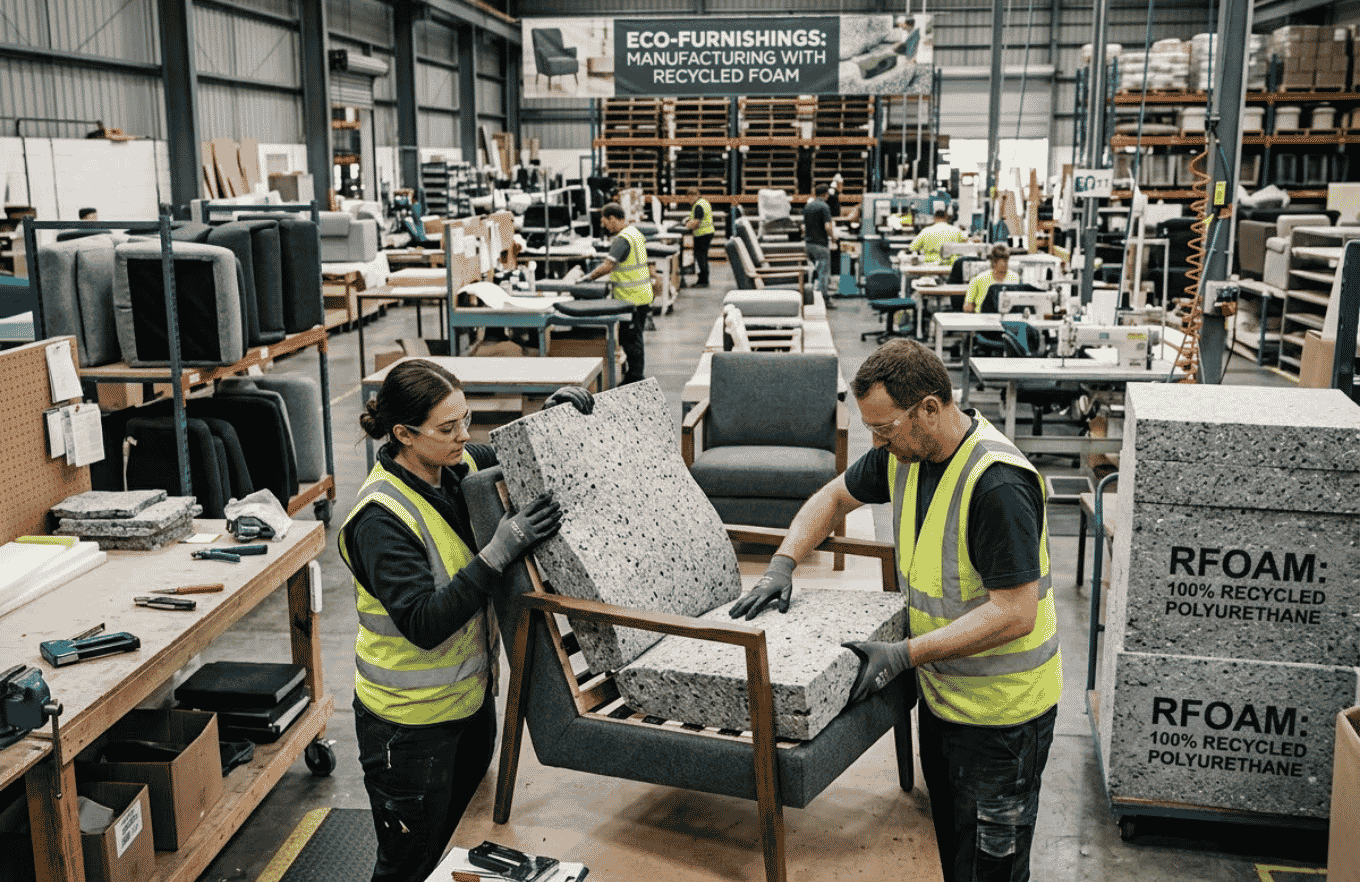
One of the biggest advantages of Recycled Foam is its ability to redirect suitable material away from disposal. Manufacturing processes can generate offcuts and other foam waste, and recovering appropriate material creates an opportunity to use those resources again.
This approach does not mean recycled content is suitable for every application. Performance requirements still need to be considered carefully. However, where the material specification allows it, incorporating recovered foam can support a more resource-efficient manufacturing process.
Product designers increasingly consider environmental factors alongside cost, functionality, and appearance. Selecting materials with recycled content can become one part of a wider strategy that includes efficient production, reduced waste, responsible packaging, and longer product life.
Samad Foam works with customers internationally, including businesses supplying markets in Europe where sustainability can be an important consideration during material selection. Most importantly, environmental goals should be balanced with the technical requirements of the finished product.
EVA Foam is valued across many applications for characteristics such as cushioning, flexibility, lightweight construction, and resilience. Depending on the formulation and application, these characteristics can make it useful for products where comfort and material efficiency are important.
Sustainable product design does not necessarily mean replacing high-performance materials entirely. Instead, manufacturers can examine whether recycled content, optimized designs, efficient cutting, and longer product service life can work together.
Sustainability is not only about the material itself. Product design can also influence how much material is required during manufacturing.
Designers can consider dimensions, cutting patterns, component shapes, and production methods to reduce unnecessary offcuts. When combined with appropriate recycled content, these strategies can improve overall material efficiency.
For manufacturers, this can create a practical advantage because reducing unnecessary waste may support both environmental objectives and resource management.
A sustainable material strategy only works when the finished product remains fit for purpose. Manufacturers should therefore assess density, consistency, durability, flexibility, compression behavior, and other relevant characteristics before approving recycled material for production.
Samad Foam can support businesses in evaluating foam requirements according to their intended application. For customers in the USA, this application-focused approach can help balance sustainability goals with the performance expectations of commercial products.
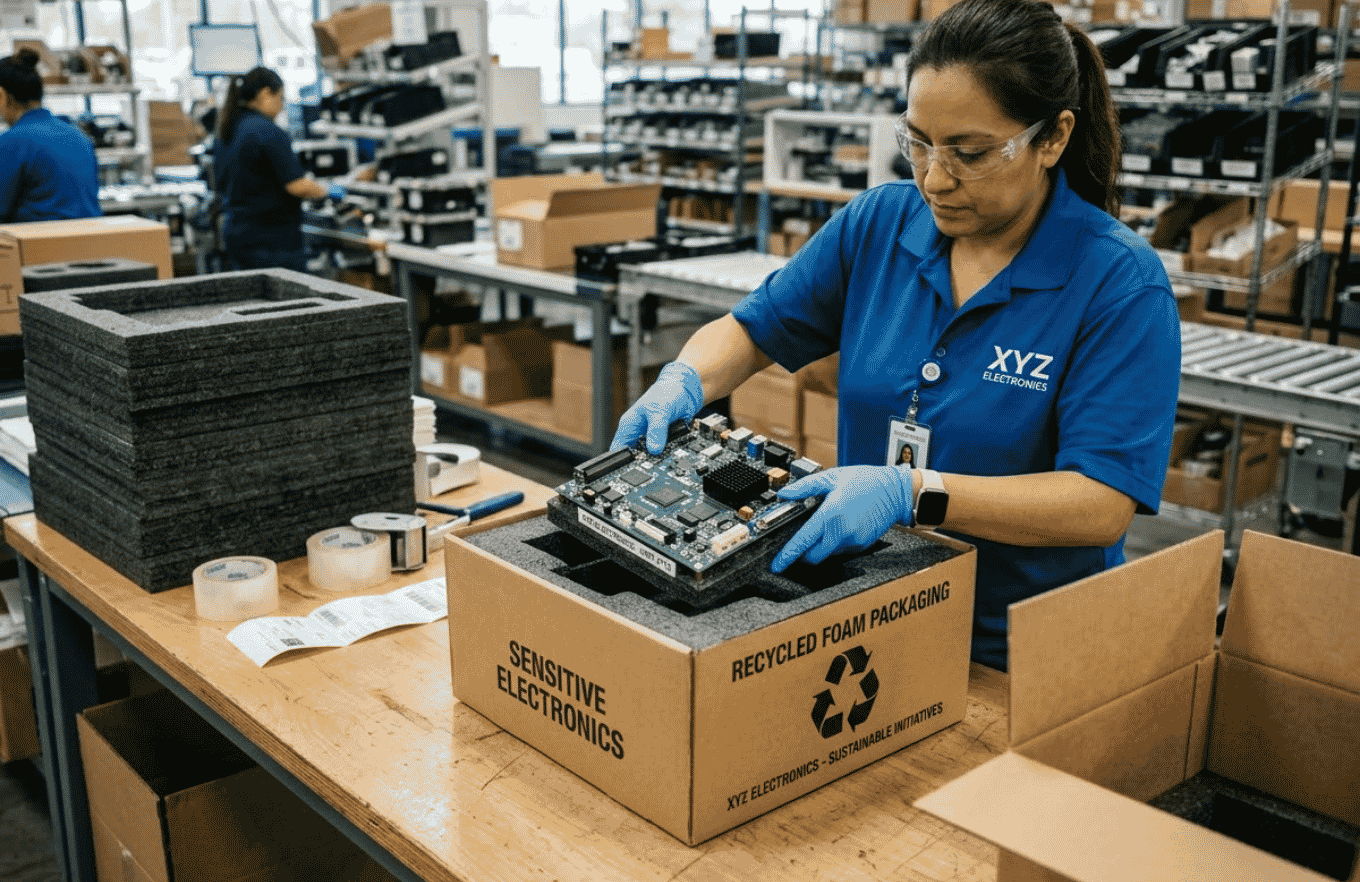
The future of product design is likely to place greater emphasis on resource efficiency and circular thinking. Businesses are looking beyond a simple linear model of producing, using, and discarding products.
Recycled Foam can contribute to this transition when recovered material is properly selected and incorporated into suitable applications. Furthermore, combining recycled content with durable product design can help manufacturers think about sustainability from the beginning rather than treating it as an afterthought.
Sustainable product design requires practical decisions rather than a single material solution. Recycled Foam can help manufacturers make better use of suitable recovered resources while supporting broader efforts to reduce material waste.
At the same time, EVA Foam and other foam materials continue to offer useful performance characteristics across numerous industries. By combining responsible sourcing, efficient design, appropriate recycled content, and reliable quality control, manufacturers can move toward products that are both functional and more resource-conscious.
Contact Samad Foam today for practical foam solutions that balance product performance, material efficiency, and sustainable manufacturing goals for your business.
It can be used in suitable packaging, cushioning, protective products, and other applications where its material characteristics meet required performance specifications.
Yes. Depending on the application, efficient product design, material optimization, recycling strategies, and suitable recycled content can all contribute to a more sustainable approach.
Not necessarily. Quality depends on the material specification, processing, application, and required performance. Proper evaluation is important before using recycled content in a finished product.