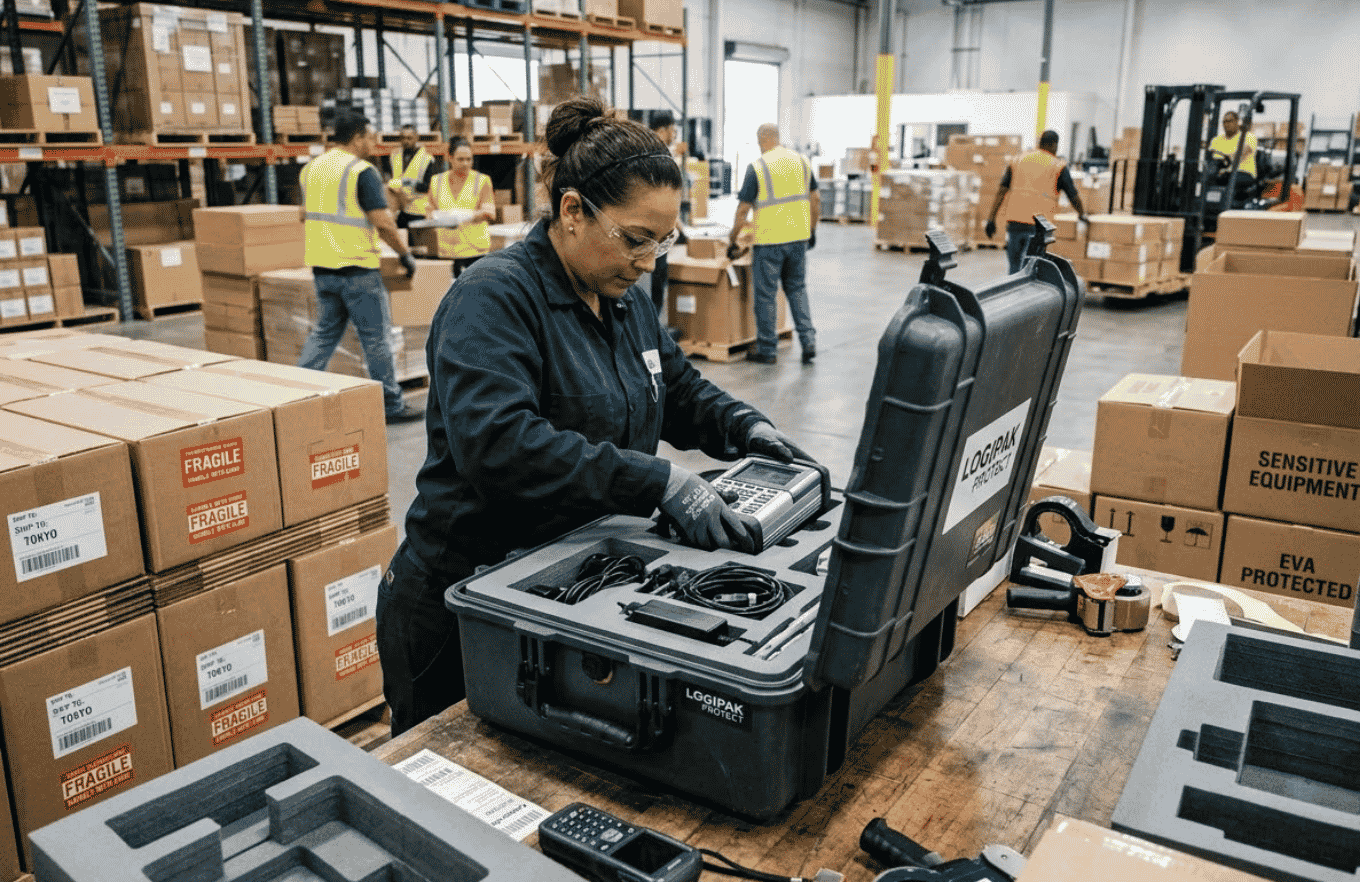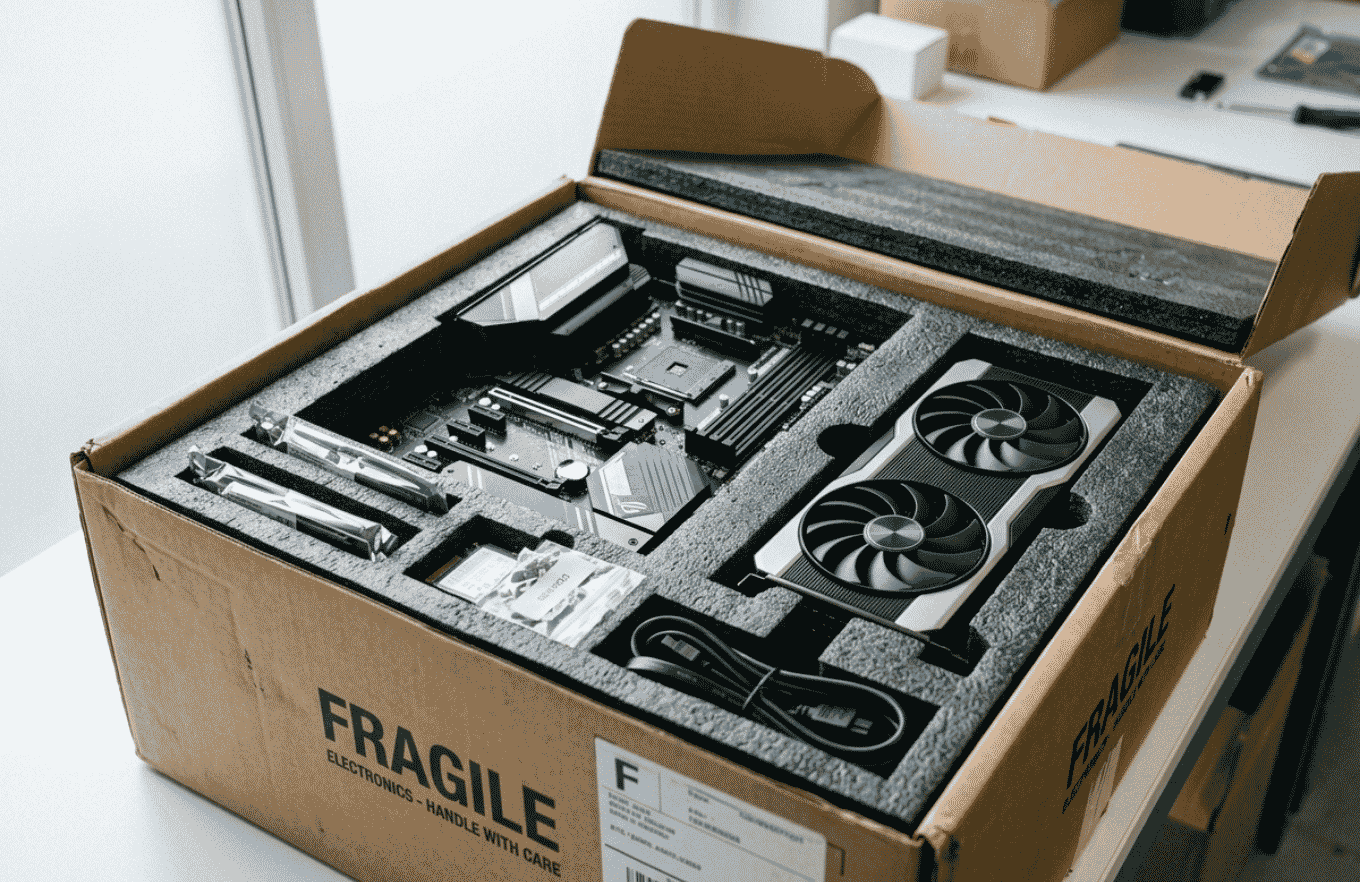
Exciting technology deserves reliable protection! Whether you are shipping smartphones, medical devices, computer components, or precision instruments, the right protective material can make all the difference between a successful delivery and an expensive replacement. Every electronic product faces risks such as vibration, impact, moisture, and pressure during storage and transportation. Choosing the correct Packaging Foam is not simply about filling empty space. It is about providing consistent protection that keeps valuable products safe throughout the supply chain.
As industries continue seeking sustainable solutions, many manufacturers are also evaluating Recycled Foam for its balance of protection and environmental responsibility. Material selection depends on product sensitivity, shipping distance, storage conditions, and handling practices. In this blog, we will explain the essential factors businesses should evaluate before selecting protective foam for fragile electronics.
Electronic devices contain delicate circuits, sensors, displays, connectors, and internal components that can fail after even a minor impact. Unlike ordinary consumer goods, electronics require protective materials that absorb shocks while maintaining their shape during transportation.
A properly selected foam solution helps prevent:
● Damage caused by accidental drops
● Vibration during long-distance transportation
● Surface scratches and cosmetic defects
● Pressure damage from stacking
● Movement inside shipping cartons
High-quality cushioning minimizes repair costs, reduces warranty claims, and improves customer satisfaction. Businesses that invest in protective packaging often save significantly more than they spend on replacement products.

The first priority should always be impact absorption. Foam should compress under force and quickly recover its original shape to continue protecting the product throughout multiple handling stages.
Lightweight electronics require softer cushioning, while heavier equipment demands higher-density materials capable of supporting additional loads without collapsing.
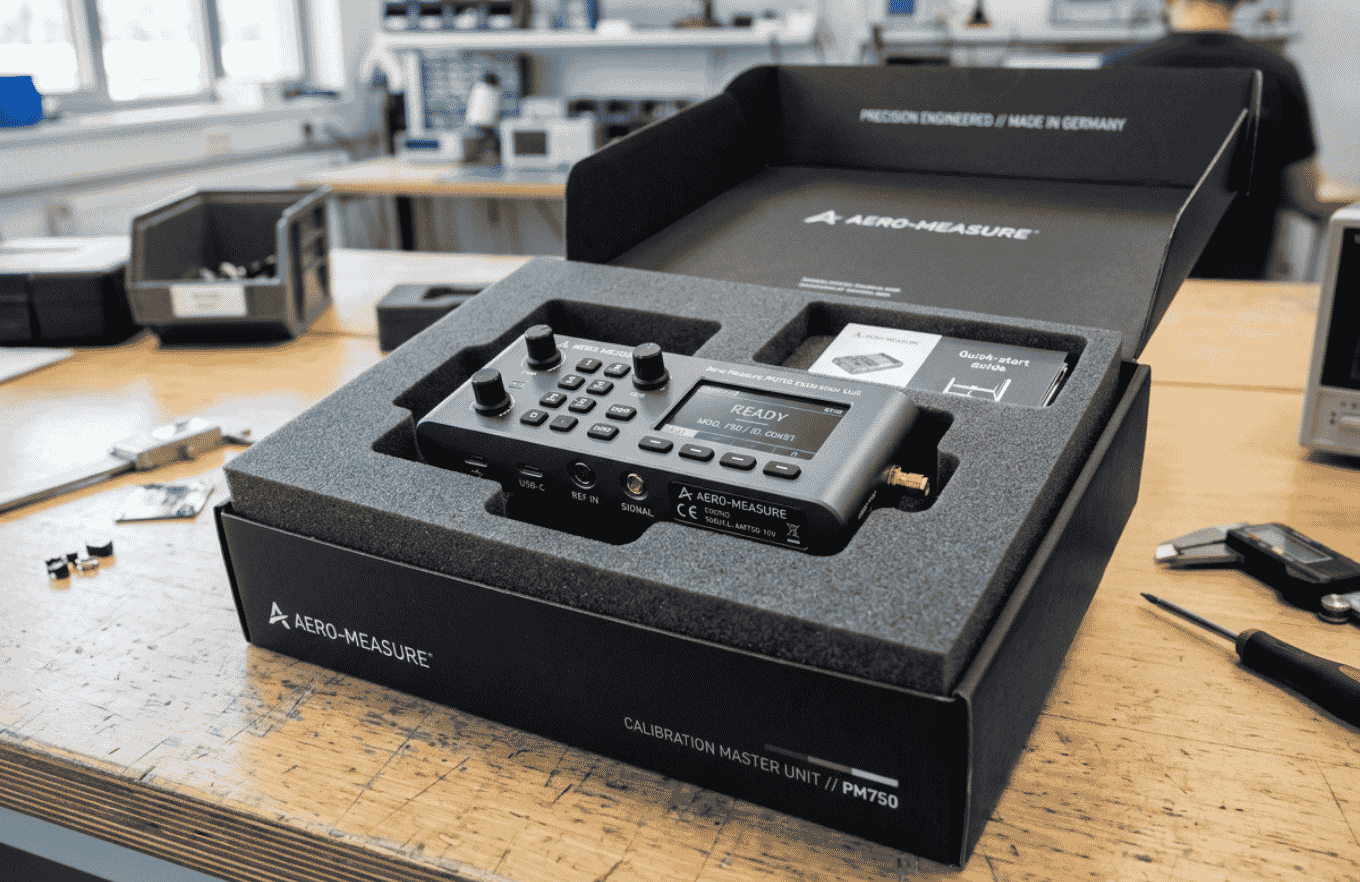
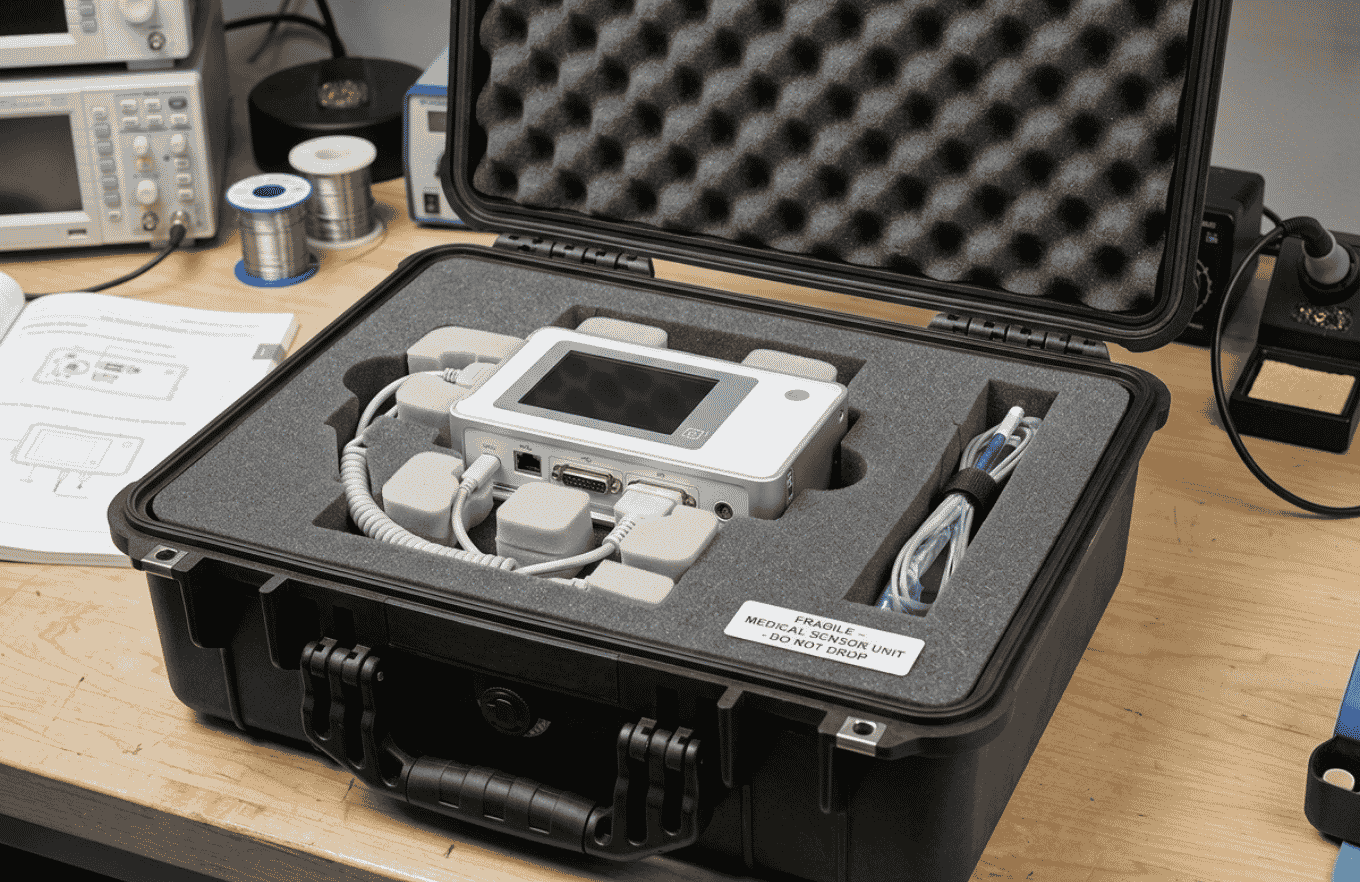
Custom-cut inserts hold products securely in place, preventing unnecessary movement during shipping. Proper fitting also creates a more professional unboxing experience.
Humidity can affect electronic components during transportation or warehouse storage. Closed-cell foam structures resist moisture penetration better than many traditional packaging materials, making them suitable for challenging environments.
Sensitive electronic components may require anti-static or electrostatic discharge (ESD) protective foam. This additional protection helps prevent electrical damage before products even reach customers.
Environmental responsibility has become an important purchasing factor across industries. Many companies now incorporate Recycled Foam into their packaging strategies to reduce material waste while maintaining dependable protection.
Modern recycled materials have improved considerably in quality and performance. When manufactured correctly, they provide reliable cushioning suitable for numerous industrial applications without compromising product safety.
Even high-quality protective materials can underperform if they are selected incorrectly. Many businesses focus primarily on reducing packaging costs without considering the long-term impact of damaged shipments. A slightly cheaper material may result in higher replacement costs, customer complaints, and product returns.
Some of the most common mistakes include:
● Choosing foam based only on price instead of performance
● Using incorrect foam density for product weight
● Ignoring vibration during long-distance transportation
● Leaving excessive empty space inside shipping cartons
● Reusing worn-out protective inserts beyond their service life
Most importantly, effective packaging should always be tested under realistic shipping conditions before full-scale production begins.
Working with an experienced foam manufacturer is just as important as selecting the right material. A knowledgeable supplier understands how different electronics respond to impact, compression, and environmental conditions and can recommend solutions based on actual application requirements.
When evaluating a supplier, consider whether they provide:
● Custom foam fabrication services
● Consistent material quality
● Technical support during product development
● Reliable production capacity
● Sustainable manufacturing options
● International shipping experience
Samad Foam supplies protective foam solutions for customers across the USA, helping businesses secure fragile electronics with dependable cushioning tailored to different industries.
Furthermore, experienced manufacturers can recommend optimized packaging designs that improve protection while reducing unnecessary material usage, shipping weight, and overall logistics costs.
The packaging industry continues evolving as manufacturers seek stronger, lighter, and more sustainable materials. Businesses increasingly expect protective solutions that reduce environmental impact without sacrificing performance.
Advancements in Recycled Foam processing have made sustainable packaging a practical option for electronics manufacturers, distributors, and exporters. Better production technologies now allow recycled materials to deliver consistent cushioning performance across many commercial applications.
Companies that invest in quality protective materials today are better prepared to meet future customer expectations while improving operational efficiency. Samad Foam continues supporting customers in Europe with innovative foam solutions designed for changing industrial requirements and demanding shipping environments.
Protect your valuable electronics with premium foam solutions from Samad Foam. Contact our experts today for customized packaging recommendations that improve product safety, reduce shipping damage, and support long-term business success.
Selecting the right Packaging Foam is an investment in product protection, customer satisfaction, and operational efficiency. The ideal solution depends on your product's size, weight, sensitivity, and transportation conditions. By carefully evaluating cushioning performance, moisture resistance, fit, and sustainability, businesses can significantly reduce shipping risks while maintaining professional packaging standards. As material technologies continue advancing, reliable protective foam remains one of the smartest ways to safeguard fragile electronics throughout the supply chain.
Closed-cell protective foam is commonly preferred because it offers excellent shock absorption, moisture resistance, and long-lasting cushioning for delicate electronic products.
Yes. High-quality Recycled Foam manufactured to proper specifications can provide reliable cushioning and impact protection for many electronic packaging applications.
The appropriate foam density depends on the product's weight, fragility, shipping method, and expected handling conditions. Testing different foam grades helps determine the best level of protection.
.svg)

.svg)