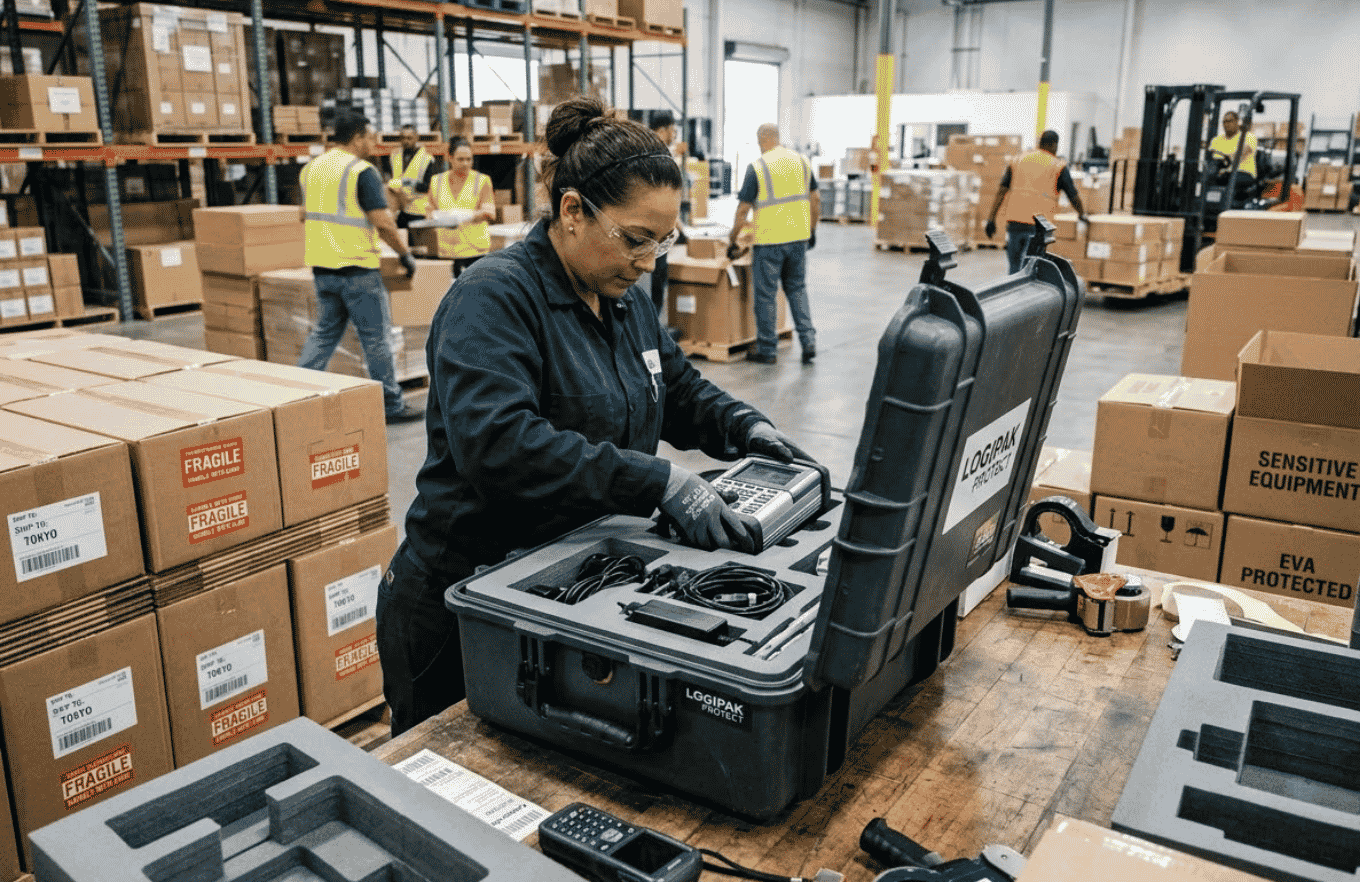
Shipping heavy industrial products is never as simple as placing them in a box and sending them on their way. Large machinery parts, automotive components, electrical equipment, and industrial tools face constant risks during storage and transportation. Impacts, vibration, moisture, and compression can all lead to costly damage. This is where selecting the right Packaging Foam becomes a critical decision rather than an optional addition.
Companies across the manufacturing, logistics, and export industries are increasingly seeking protective solutions that withstand demanding shipping environments. The right foam not only prevents product damage but also reduces replacement costs, customer complaints, and operational delays. As sustainability becomes a priority, many organizations are also exploring Recycled Foam options that balance environmental responsibility with performance. Understanding what makes a foam solution effective can help businesses make smarter packaging decisions.
Heavy industrial products face challenges that standard packaging materials often cannot handle. Unlike lightweight consumer goods, industrial equipment places significant stress on packaging systems due to its weight, shape, and handling requirements.
Common risks include:
● Impact damage during loading and unloading
● Continuous vibration during transportation
● Compression from stacking and storage
● Surface scratches and cosmetic damage
● Moisture exposure during transit
When these risks are not properly addressed, businesses can incur financial losses, experience delayed deliveries, and damage customer relationships.
A single damaged industrial component can result in expensive repairs, product replacements, and project delays. Most importantly, inadequate protection often increases operational costs over time. Investing in high-quality foam solutions helps minimize these risks and improve overall supply chain reliability.
Choosing the right protective material requires evaluating several performance characteristics.
One of the primary functions of industrial packaging is absorbing impact energy. Effective foam materials cushion products during accidental drops or sudden movements.
Look for foam solutions that:
● Distribute impact forces evenly
● Prevent direct contact with packaging walls
● Maintain cushioning performance over time
This feature is especially important for sensitive equipment and high-value industrial products.
Heavy products can place significant pressure on packaging materials. Foam that compresses permanently may lose its protective effectiveness.
High-density foam solutions help maintain their shape and protective qualities even when supporting substantial weight. This ensures consistent protection throughout transportation and storage.
Industrial shipments often encounter changing environmental conditions. Moisture-resistant foam helps protect products from humidity, condensation, and accidental water exposure.
This capability is particularly valuable for metal components, electronics, and machinery parts susceptible to corrosion.
Not all foam materials offer the same level of protection. Understanding material characteristics helps businesses choose the most suitable option.
Closed-cell foams contain sealed cells that prevent moisture absorption and provide excellent cushioning performance.
Benefits include:
● Enhanced durability
● Water resistance
● Consistent structural integrity
● Long-term performance
Many industrial manufacturers prefer closed-cell solutions because they maintain protective properties even in demanding environments.
Environmental responsibility has become increasingly important across global industries. Many companies are incorporating Recycled Foam into their packaging strategies to reduce environmental impact without compromising product protection.
Modern recycling technologies allow manufacturers to create durable packaging solutions while supporting sustainability goals.
One of the most common mistakes in industrial packaging is selecting the wrong foam density.
Lower-density foam is suitable for lighter products that require basic cushioning and surface protection.
These applications may include:
● Small industrial accessories
● Lightweight electronic components
● Non-fragile equipment parts
Heavy machinery components require stronger materials capable of handling significant loads.
High-density foam provides:
● Better weight distribution
● Improved impact resistance
● Reduced compression
● Enhanced product stability
Selecting the appropriate density ensures maximum protection throughout the shipping process.
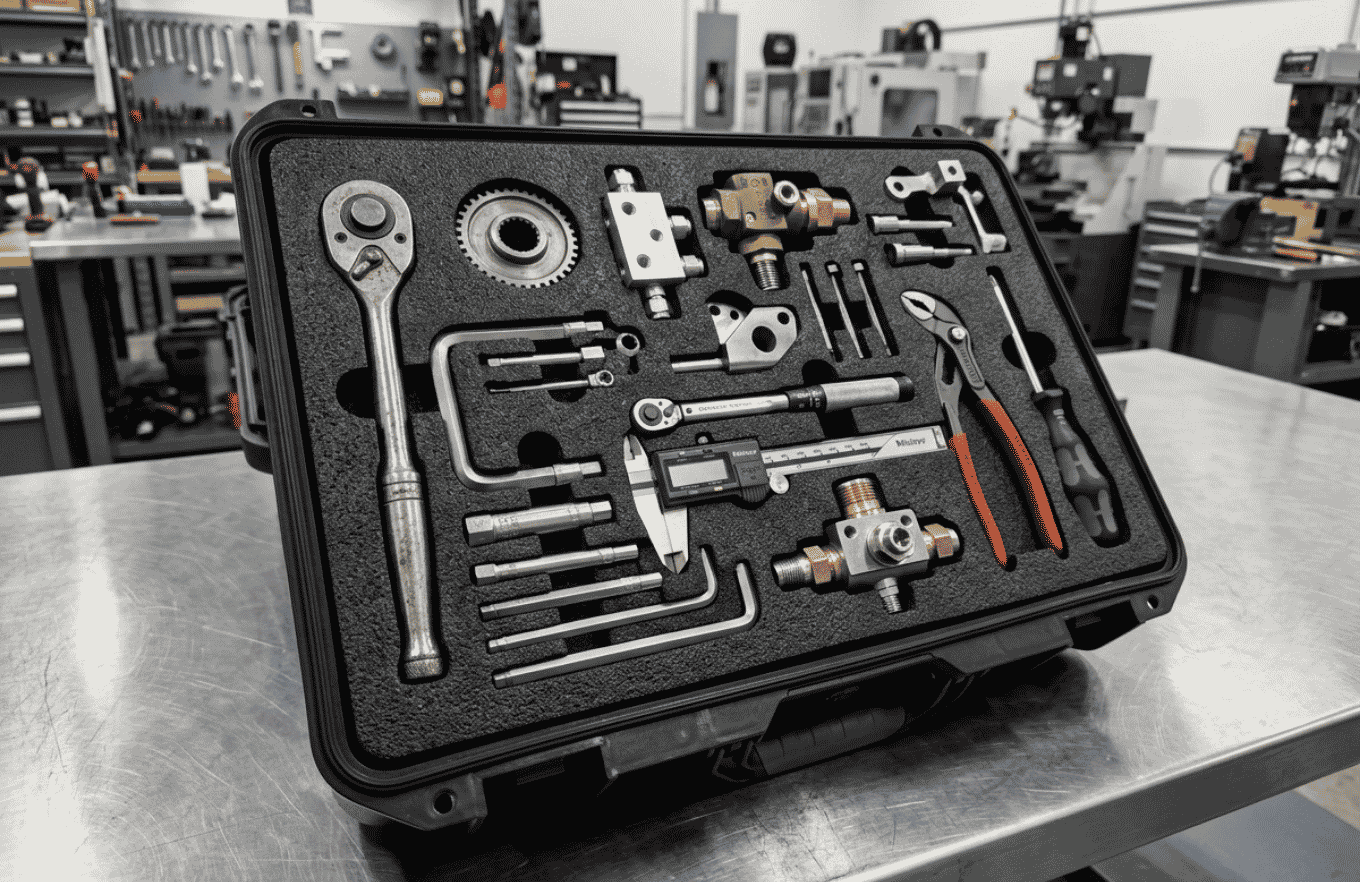
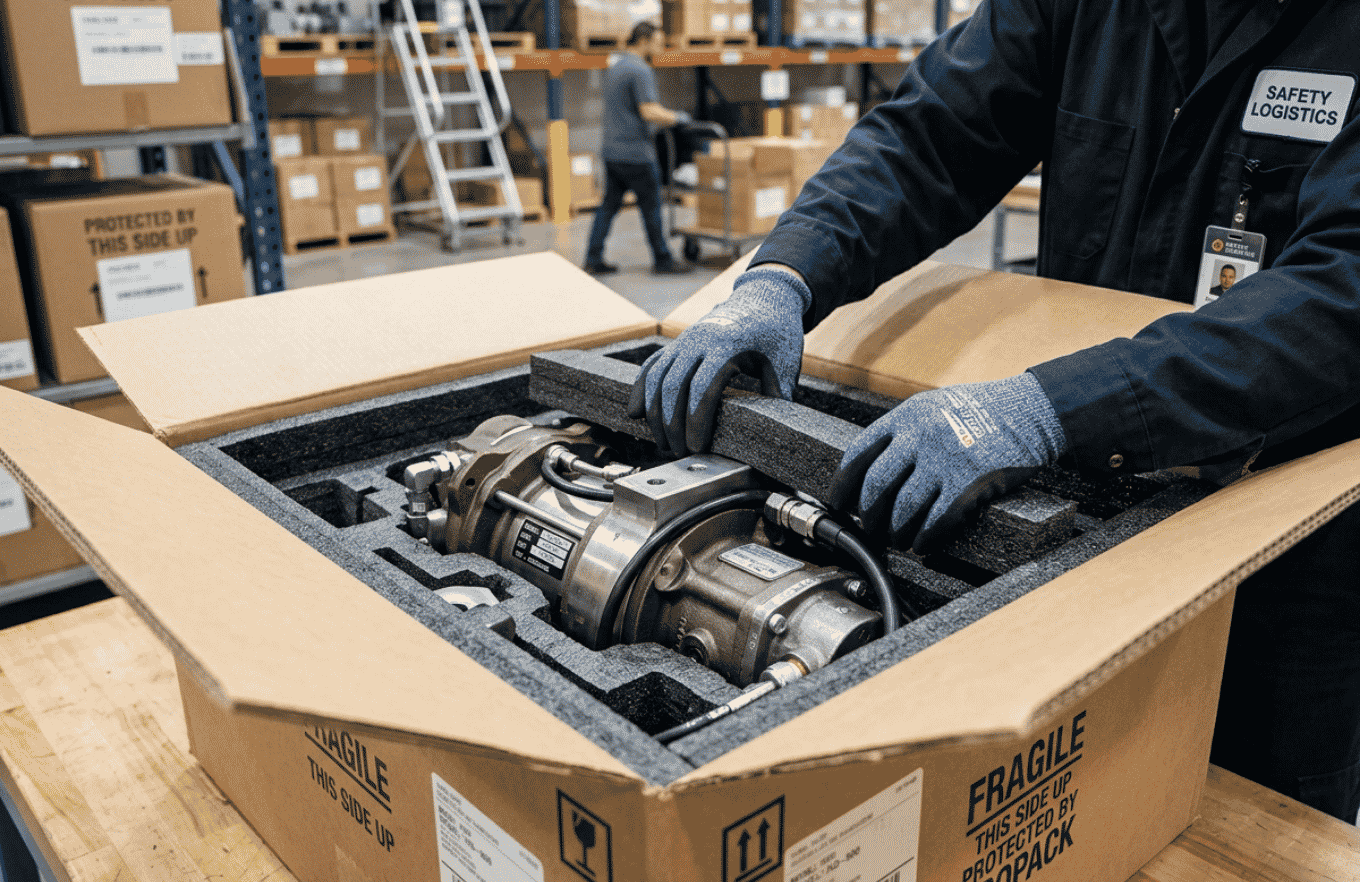
Industrial products often have unique dimensions and shapes. Standard packaging inserts may leave empty spaces that allow movement during transit.
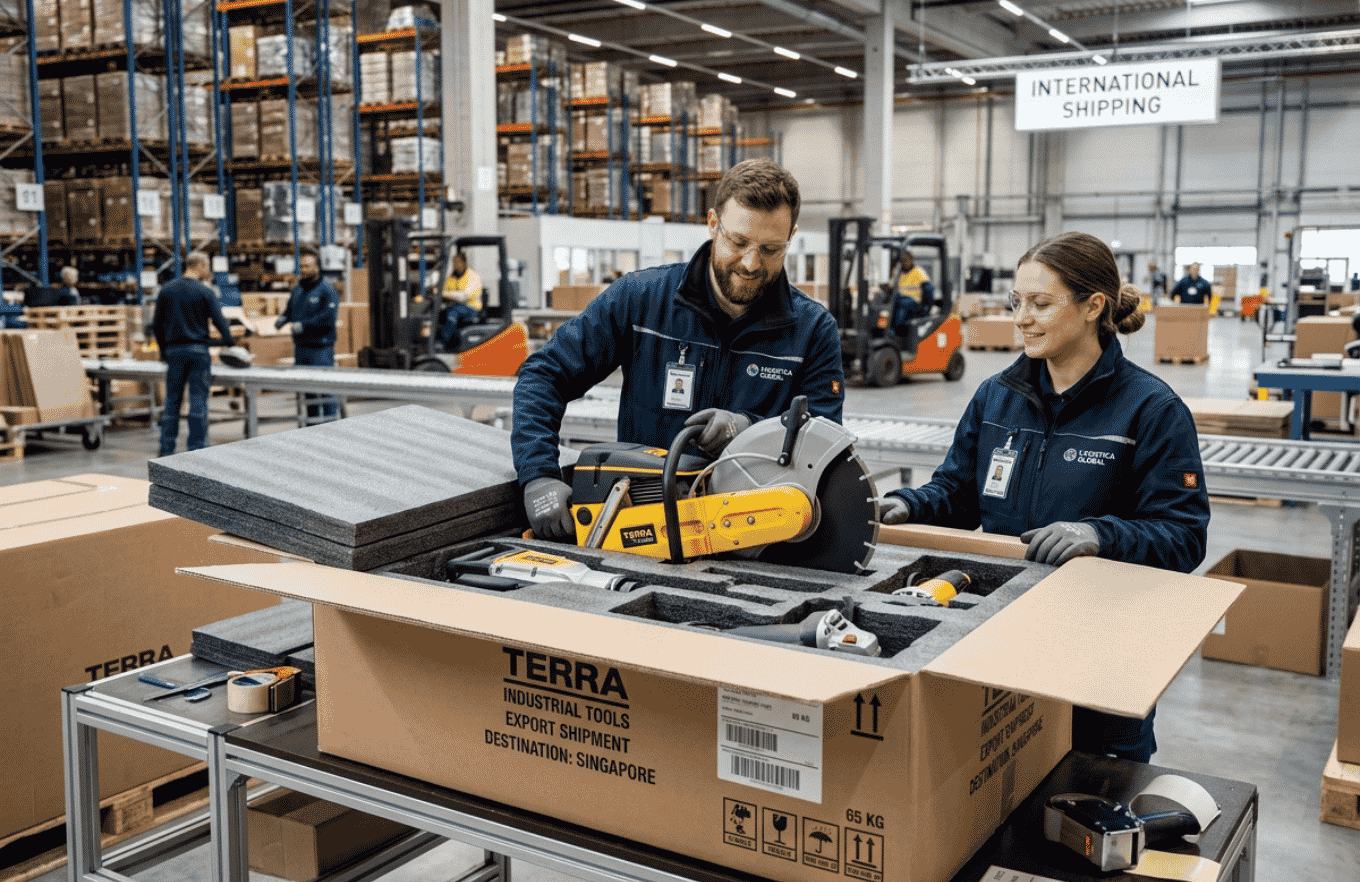
Custom-cut foam inserts create a secure fit around products.
Advantages include:
● Reduced product movement
● Better shock absorption
● Enhanced presentation
● Greater protection during handling
Many global manufacturers rely on customized foam solutions to safeguard valuable equipment during domestic and international shipments.
Companies such as Samad Foam specialize in developing tailored foam products that meet specific industrial packaging requirements.
Environmental concerns continue to influence purchasing decisions across industries.
Modern packaging strategies focus on reducing waste while maintaining performance. Recycled Foam solutions help organizations support sustainability initiatives while achieving reliable protection.
Key sustainability benefits include:
● Reduced raw material consumption
● Lower environmental impact
● Support for circular economy practices
● Improved corporate responsibility efforts
Furthermore, sustainable packaging solutions often enhance brand reputation among environmentally conscious customers.
Businesses no longer need to choose between performance and environmental responsibility. Today's advanced foam technologies deliver both.
Manufacturers such as Samad Foam continue investing in innovative production methods that support long-term sustainability objectives without sacrificing product safety.
Industrial packaging requirements continue evolving as supply chains become more complex.
Manufacturers in the USA increasingly demand packaging systems capable of protecting products through long transportation routes and multiple handling stages.
At the same time, businesses across Europe are adopting stricter sustainability standards, encouraging greater use of recyclable and environmentally responsible materials.
These trends are driving innovation throughout the foam manufacturing industry.
Advanced manufacturing processes now enable producers to create highly engineered foam products with improved consistency, durability, and performance.
Samad Foam continues serving international industries with solutions designed to meet demanding packaging requirements across various sectors.
Choosing protective materials based solely on price can lead to high long-term costs.
Common mistakes include:
● Selecting an insufficient foam density
● Ignoring product weight distribution
● Using generic instead of custom inserts
● Overlooking environmental conditions
● Failing to consider sustainability goals
Most importantly, businesses should evaluate total packaging performance rather than focusing only on initial material costs.
Working with experienced manufacturers such as Samad Foam helps organizations identify solutions that align with both protection requirements and operational objectives.
Protective packaging plays a larger role than many organizations realize. Effective packaging reduces product damage, improves customer satisfaction, and lowers replacement expenses.
Reliable foam solutions also contribute to:
● Better supply chain efficiency
● Reduced warranty claims
● Improved operational performance
● Enhanced product presentation
Samad Foam supports businesses worldwide by providing durable solutions designed for industrial applications. With growing international demand, companies increasingly rely on specialized foam products to protect valuable shipments.
Contact Samad Foam today for customized industrial packaging solutions that maximize product protection, reduce shipping risks, support sustainability goals, and improve supply chain performance.
Choosing the right Packaging Foam is one of the most important decisions in industrial shipping and logistics. Heavy products require protection against impacts, vibration, moisture, and compression throughout transportation and storage. By focusing on factors such as foam density, durability, moisture resistance, customization, and sustainability, businesses can significantly reduce damage-related costs.
Additionally, integrating Recycled Foam into packaging strategies helps organizations meet environmental goals without compromising performance. As global supply chains continue evolving, high-quality foam solutions remain essential for ensuring products arrive safely, efficiently, and ready for use.
High-density closed-cell foam is often considered the best option because it provides excellent shock absorption, compression resistance, and long-term durability for heavy industrial products.
Yes, modern Recycled Foam products can deliver strong cushioning, durability, and protective performance while supporting sustainability initiatives and reducing environmental impact.
Custom foam inserts minimize product movement, distribute impact forces evenly, and create a secure fit that significantly reduces the risk of shipping damage during transit.
.svg)

.svg)