Step into any gym, home workout space, or play area, and you’ll notice one thing in common: safety matters more than anything else. The EVA Foam Material used in modern flooring and protective surfaces plays a major role in reducing slip and fall risks. This material is widely used in EVA Mats, yoga setups, children’s play zones, and industrial flooring because it offers a balance of grip, cushioning, and shock absorption.
In today’s safety-focused environments, flooring is not just about comfort; it is about preventing injuries before they happen. From fitness studios in the USA to wellness centers in Europe, demand for safer surface materials is rising fast. Companies like Samad Foam have contributed significantly to improving material consistency and safety standards in this space.
In this article, we explore how EVA-based solutions help reduce accidents, why they perform better than traditional flooring, and where they are most effective.
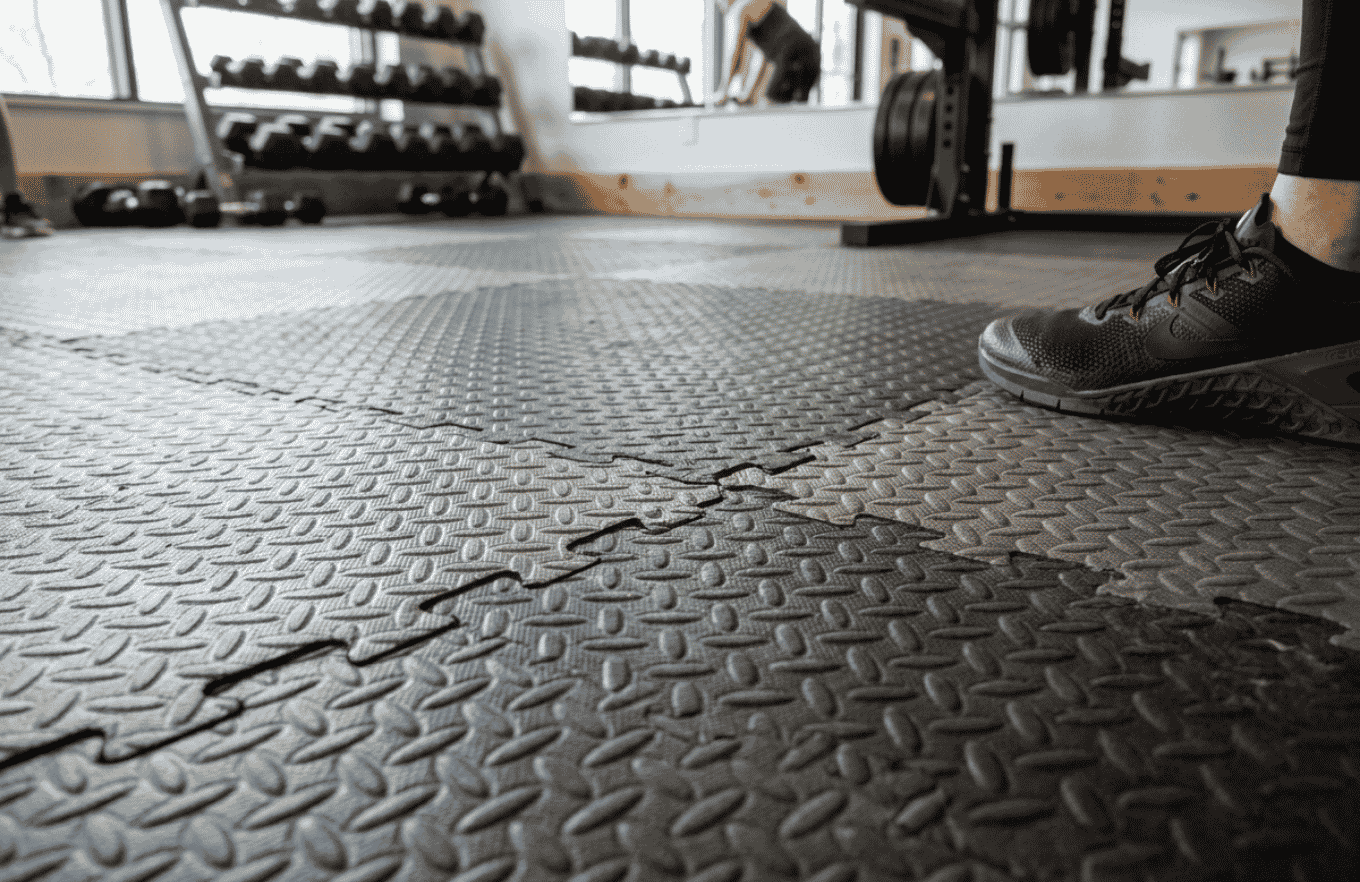
The effectiveness of EVA Foam Material comes from its unique structure. It is lightweight, flexible, and designed with a closed-cell formation that enhances grip and reduces surface slippage.
The surface of EVA-based products provides natural friction. This helps users maintain stability during movement, especially in high-activity environments like gyms or training studios.
One of the biggest safety advantages is cushioning. When a person slips, the foam reduces impact force, lowering the risk of injury.
Unlike many traditional materials, EVA does not absorb moisture easily. This prevents slippery buildup caused by sweat or water, making EVA Mats safer in wet conditions.
Samad Foam has helped refine material consistency, ensuring stable grip performance across different product categories used in both the USA and Europe.
The design of EVA Mats directly influences safety performance. Their interlocking structure and surface pattern improve stability under movement.
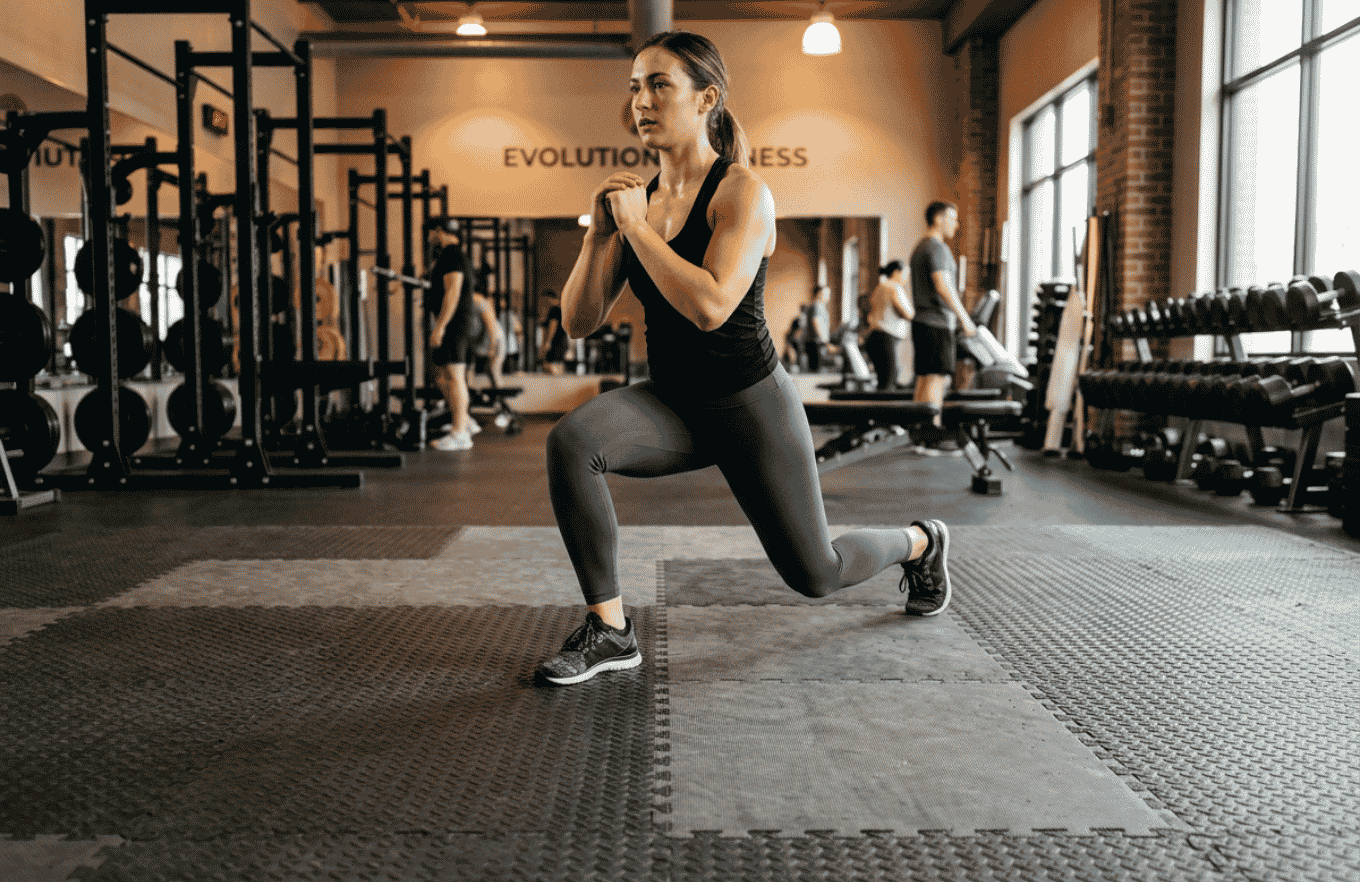
When users perform exercises or walk on EVA surfaces, the grip prevents sudden foot movement that could lead to slipping.
Too-hard surfaces increase impact injuries, while overly soft surfaces reduce stability. EVA strikes a balance that minimizes both risks.
EVA flooring maintains its position under pressure, reducing the chances of mat shifting or folding, which is a common cause of falls.
In modern wellness environments across Europe and the USA, Samad Foam solutions are often preferred due to consistent density control and long-term durability.

The use of EVA Foam Material is expanding because of its adaptability across different industries.
Yoga practitioners rely on EVA Mats for balance and controlled movement. Slip resistance is essential during poses and transitions.
Kids are more prone to falls. EVA flooring creates a soft landing surface that reduces injury risk significantly.
Workers standing or moving for long hours benefit from EVA cushioning, which reduces fatigue-related slips.
Bathrooms, gyms, and kitchens often use EVA-based mats for added grip and safety.
Samad Foam products are increasingly integrated into these environments due to their safety-focused design improvements.
The popularity of EVA flooring is not accidental. It delivers multiple safety advantages that traditional materials struggle to match.
● Provides a consistent grip across dry and wet conditions
● Reduces joint stress and fatigue during prolonged use
● Offers lightweight portability and easy installation
● Maintains structural stability over time
● Improves overall user confidence in movement
These benefits explain why EVA Foam Material continues to replace rubber and PVC in many applications.
In both the USA and Europe, manufacturers like Samad Foam are supporting safer flooring solutions with improved manufacturing precision.

Traditional flooring materials often lack flexibility and shock absorption. EVA Mats solve this gap by combining safety and comfort.
● Rubber surfaces can become slippery when wet
● Hard flooring increases injury severity during falls
● Foam-based surfaces reduce impact force significantly
● EVA maintains grip consistency across temperature changes
This makes EVA Mats a practical choice for both commercial and residential use cases.
Safety in flooring design is no longer optional; it is essential. The EVA Foam Material used in modern safety products plays a critical role in reducing slips and falls across multiple environments. From gyms and homes to industrial spaces, its grip, cushioning, and water resistance make it highly reliable.
As global demand increases across the USA and Europe, companies like Samad Foam continue to improve material performance and safety standards. EVA-based flooring is not just a comfort solution; it is a preventive safety system that protects users every day.
Connect with Samad Foam today to explore premium EVA Foam Material solutions and EVA Mats designed for superior safety, comfort, durability, and long-term performance in every application.
It increases surface grip and friction, reducing unwanted movement during walking or exercise.
Yes, they resist moisture and maintain traction even in damp conditions.
Yes, its cushioning structure absorbs shock and minimizes injury severity effectively.
.svg)

.svg)