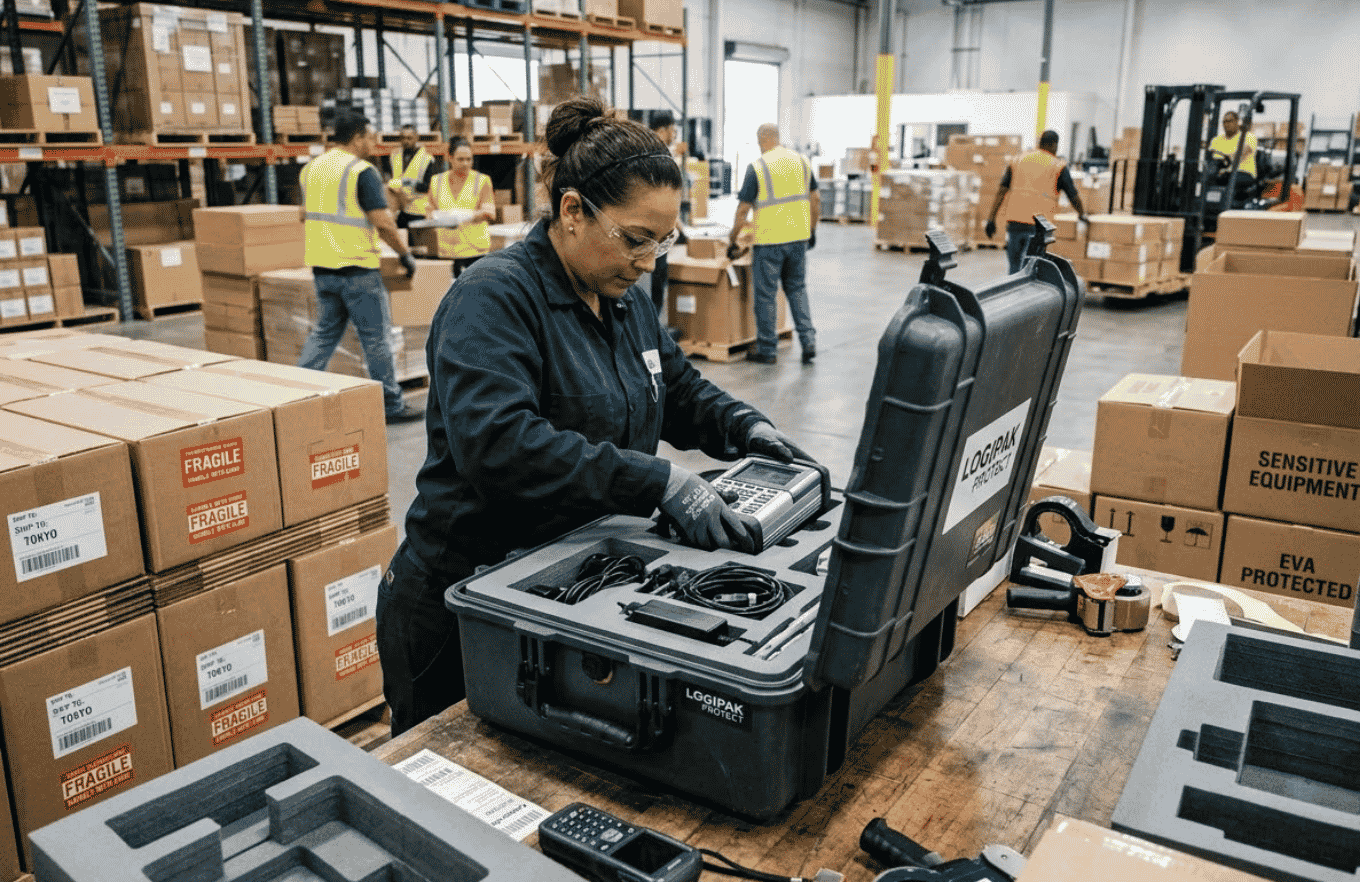
The future of fitness is getting greener, smarter, and more exciting than ever before! As consumers become increasingly conscious about environmental responsibility, brands are under growing pressure to offer products that perform well without compromising sustainability. This shift has encouraged Yoga Mat Manufacturers to rethink how mats are designed, produced, and delivered across global markets. However, sustainable production is not simply about changing one material or reducing waste. It involves innovation, responsible sourcing, efficient manufacturing, and long-term commitment throughout the production process. Companies investing in these improvements are building stronger brands while reducing their environmental footprint. In this blog, we are going to explore how sustainable manufacturing is transforming the future of yoga mats and why businesses should pay attention.
Consumers today expect more than durability and comfort from fitness products. They also want environmentally responsible manufacturing practices. As a result, manufacturers are investing in cleaner production methods, renewable energy, recyclable materials, and smarter supply chains.
Sustainability creates benefits beyond environmental protection. It helps companies improve operational efficiency, reduce production waste, strengthen customer trust, and remain competitive in rapidly changing international markets.
Businesses that embrace sustainability today are preparing themselves for future regulations while creating stronger long-term partnerships with retailers and distributors.

Material selection plays one of the biggest roles in sustainable manufacturing. Premium EVA Mats continue gaining popularity because they offer durability, flexibility, comfort, and extended product life while supporting responsible production goals.
Modern manufacturers are focusing on materials that provide:
● Long-lasting performance
● Reduced manufacturing waste
● Lightweight construction
● Improved recyclability
● Lower environmental impact
● Better production efficiency
Rather than replacing quality with sustainability, manufacturers are proving both can successfully work together.
Technology continues transforming production facilities around the world. Automated cutting systems, precision molding, digital quality inspections, and energy-efficient equipment allow manufacturers to reduce material waste while maintaining consistent product quality.
Moreover, advanced manufacturing systems help optimize every production stage, allowing businesses to deliver premium products while consuming fewer resources.
Companies investing in smart production technologies often experience:
● Better production consistency
● Reduced material waste
● Faster manufacturing cycles
● Lower operational costs
● Improved quality control
These improvements create advantages for both manufacturers and customers.
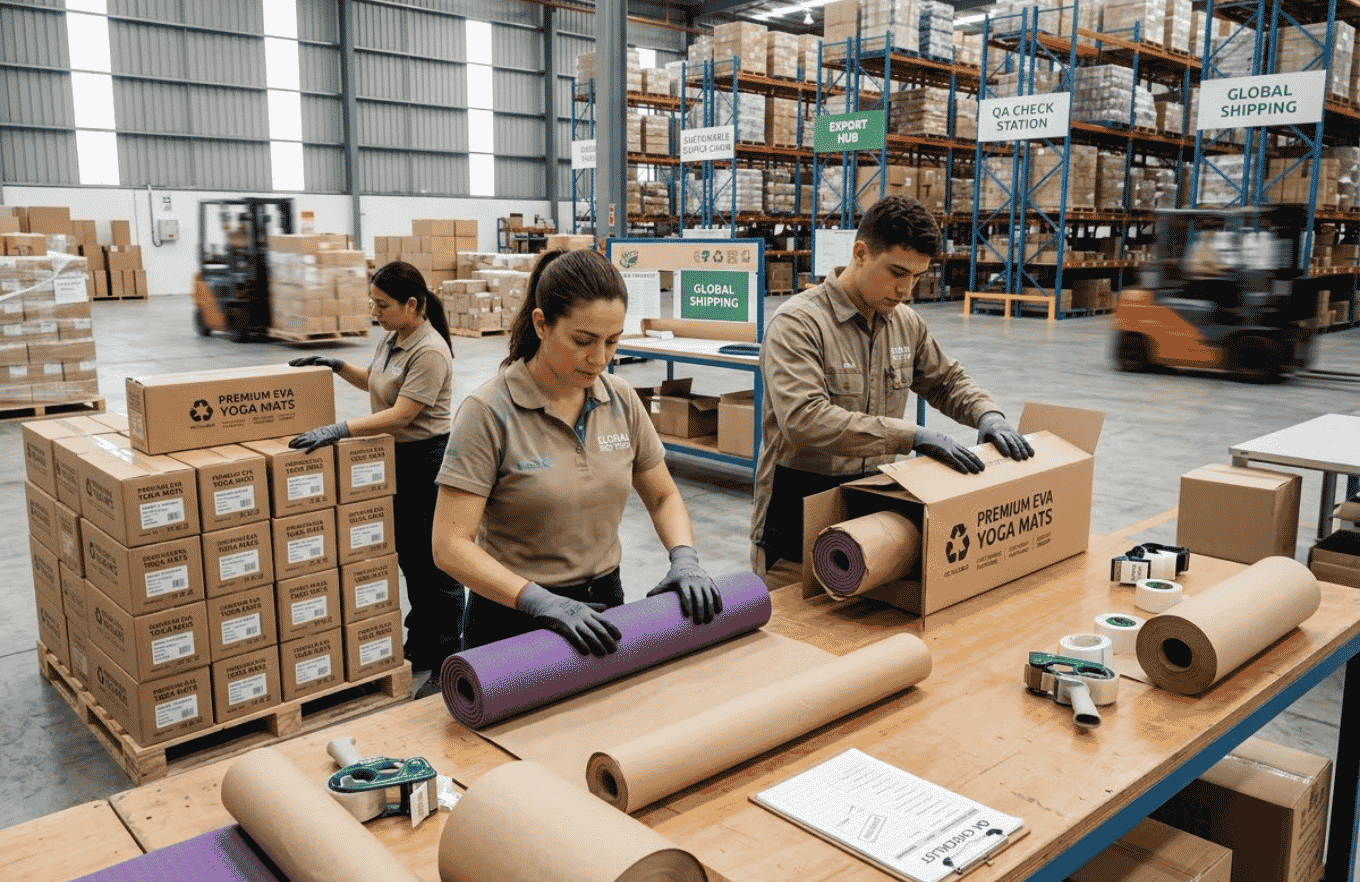
Innovation remains one of the strongest competitive advantages within the industry. Leading manufacturers continuously invest in research to improve product comfort, durability, safety, and sustainability.
Current innovation focuses on:
● Advanced foam formulations
● Improved cushioning performance
● Enhanced surface textures
● Better durability testing
● Eco-conscious manufacturing methods
Continuous product development helps manufacturers meet changing customer expectations while maintaining high performance standards.
Sustainability extends beyond factory production. Modern manufacturers carefully evaluate suppliers, logistics partners, packaging methods, and transportation strategies to reduce environmental impact throughout the supply chain.
Reliable names such as Samad Foam continue supporting customers worldwide by maintaining dependable manufacturing standards while supplying international markets, including the USA, with consistent product quality.
Long-term supplier relationships also improve production planning, inventory management, and delivery reliability.
Sustainability claims carry far more value when they are supported by recognized certifications and strict quality standards. Buyers, retailers, and distributors increasingly prefer manufacturers that comply with international environmental and manufacturing requirements. These certifications demonstrate consistent quality, responsible production practices, and product safety.
Working with experienced companies like Samad Foam gives businesses greater confidence when sourcing products for international markets. Their commitment to quality allows customers across Europe to meet growing consumer expectations while maintaining reliable supply chains.
Choosing environmentally responsible manufacturing creates advantages that extend well beyond environmental protection. Brands gain stronger customer loyalty, while consumers receive products that deliver long-lasting value.
Some of the biggest advantages include:
● Reduced manufacturing waste
● Longer product lifespan
● Improved product consistency
● Lower replacement frequency
● Better resource utilization
● Stronger brand reputation
These benefits create a win-win situation for manufacturers, distributors, retailers, and end users alike.

The next generation of manufacturing will rely heavily on innovation, automation, and environmental responsibility. Industry leaders are already investing in smarter production systems that improve efficiency without sacrificing quality.
Some major trends expected to shape the future include:
● Increased use of recyclable materials
● Energy-efficient manufacturing facilities
● AI-driven quality control systems
● Lightweight product engineering
● Customized production capabilities
● Digital supply chain monitoring
Most importantly, manufacturers that continue adapting to these trends will remain competitive as customer expectations and global sustainability standards continue evolving.
Selecting the right production partner involves much more than comparing prices. Businesses should evaluate manufacturing capabilities, quality assurance processes, research and development investment, production capacity, and sustainability commitments before making a decision.
An experienced manufacturer understands that every customer has unique requirements. Whether producing private-label collections or customized fitness products, flexibility and technical expertise make a significant difference.
Manufacturers that prioritize innovation, transparency, and responsible sourcing create stronger partnerships while helping brands achieve long-term business growth.
Partner with Samad Foam today for innovative, sustainable manufacturing solutions that help your brand deliver premium quality, reliable performance, and lasting customer value across global markets.
The future of Yoga Mat Manufacturers is closely tied to sustainable innovation. As environmental expectations continue rising, manufacturers that invest in cleaner technologies, responsible sourcing, and continuous research will lead the industry. Premium EVA Mats demonstrate how performance and sustainability can successfully work together without compromise. Businesses that choose experienced manufacturing partners position themselves for stronger growth, greater customer trust, and long-term success in an increasingly competitive global marketplace.
Sustainable manufacturers reduce environmental impact while producing durable, high-quality products that meet growing consumer demand for eco-friendly fitness equipment.
They provide excellent cushioning, durability, lightweight performance, and long service life, making them suitable for both residential and commercial applications.
Businesses should assess manufacturing capacity, quality certifications, research capabilities, sustainability practices, product consistency, and international supply experience before selecting a long-term manufacturing partner.
.svg)

.svg)