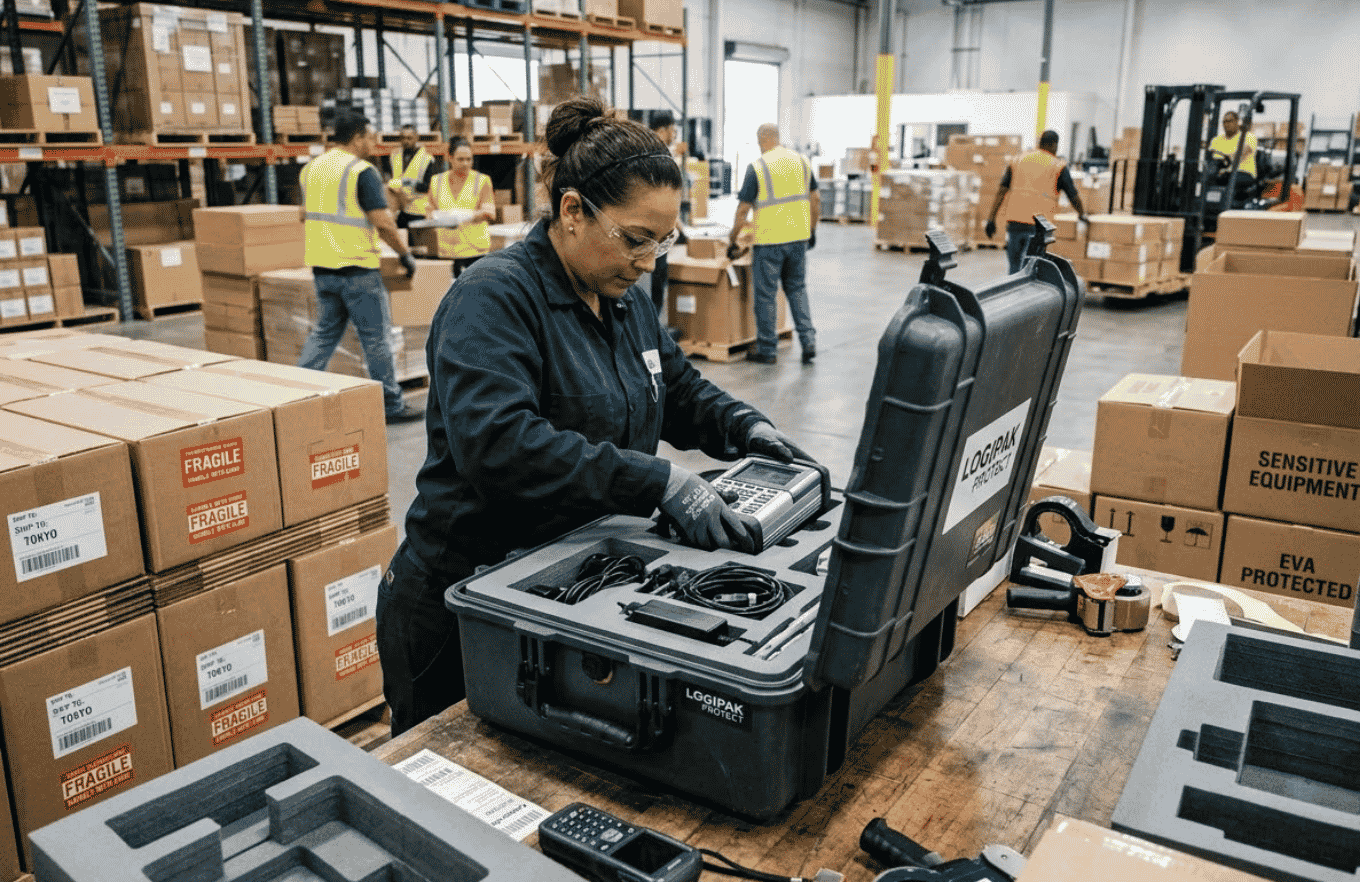
Choosing the right Packaging Foam can make a major difference in how products perform during storage, handling, and transportation. From fragile electronics to heavy industrial components, the right foam needs to provide dependable cushioning without creating unnecessary material costs. Density, thickness, compression behavior, moisture resistance, and compatibility with the packaged product all deserve careful attention.
A material that looks suitable on paper may behave differently under real shipping conditions. Therefore, buyers should evaluate more than price before approving a foam for production. Samad Foam supports customers with foam solutions for different packaging requirements and international markets. In this blog, we cover the essential checks that can help businesses make a more confident packaging material decision.
The first step is to identify what the foam actually needs to protect. Product weight, dimensions, fragility, surface finish, and shipping conditions all influence material selection.
For example, delicate components may require softer cushioning, while heavier products may need foam with stronger compression resistance. Understanding these requirements prevents businesses from selecting a material based only on appearance or price.
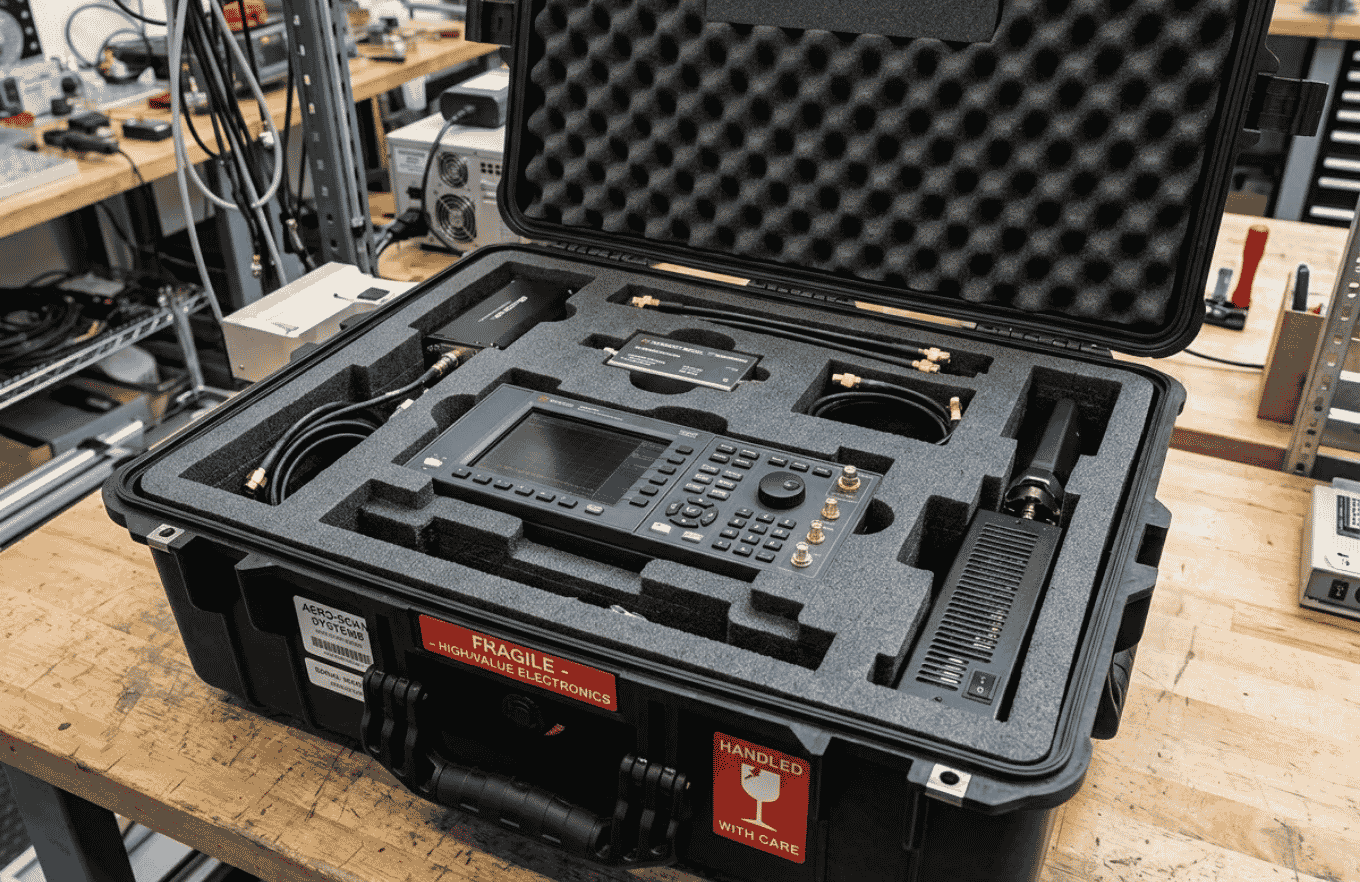
Density and thickness influence how foam responds to pressure and impact. A thicker material is not automatically better if its characteristics do not match the application.
Buyers should assess whether the selected specification provides sufficient protection while avoiding excessive material use. This balance can improve packaging efficiency and help control overall costs.
Effective protective packaging should help reduce the effects of impacts, vibration, and compression during transportation. Testing the foam with the actual product can provide more meaningful results than relying solely on a specification sheet.
Consider how the foam behaves when compressed repeatedly and whether it maintains its protective function throughout handling and shipping.
Packaging can encounter humidity, temperature changes, warehouse storage, and outdoor exposure. These conditions should be considered before selecting a foam.
If moisture resistance is important, buyers should confirm that the chosen material is suitable for the intended environment. Samad Foam can help businesses assess foam requirements based on specific application conditions.

Sustainability is becoming an increasingly important consideration in packaging decisions. Recycled Foam can provide an option for businesses looking to incorporate recycled material into suitable packaging applications.
However, sustainability should not come at the expense of required protective performance. Buyers should evaluate recycled content, material consistency, application suitability, and overall product requirements together.
For customers serving European markets, environmental expectations may also influence purchasing decisions. Therefore, discussing material composition and sustainability objectives with suppliers can help create a more suitable packaging strategy.

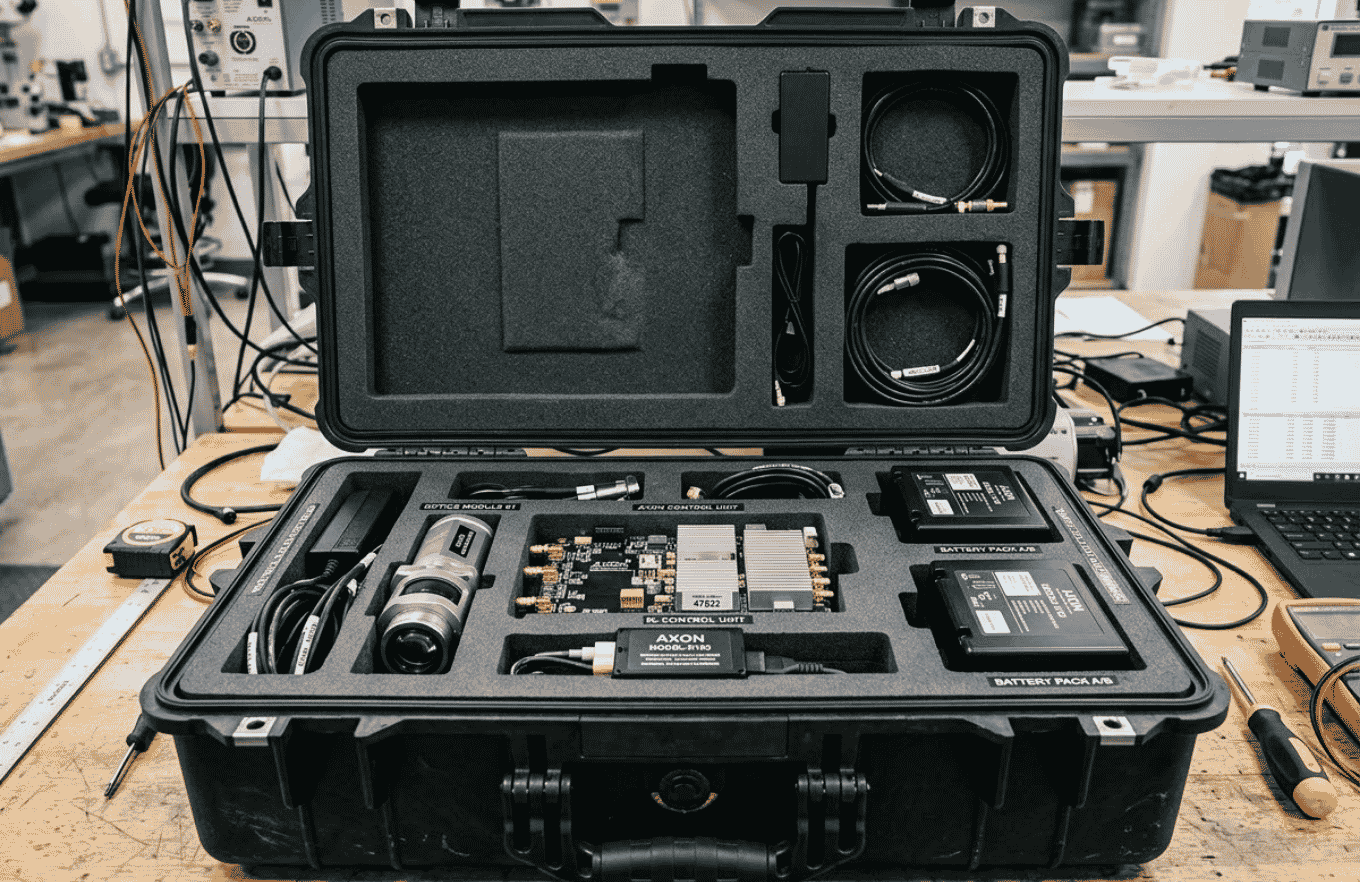
Foam may need to be cut, shaped, laminated, or converted into custom inserts depending on the product. A material that performs well but is difficult to process may increase manufacturing time and waste.
Ask whether the foam can be supplied in the required thicknesses, dimensions, or formats. Customization can improve product fit while reducing unnecessary movement inside the package.
Supplier reliability is just as important as material selection. Inconsistent density, thickness, surface quality, or dimensions can create problems when packaging is produced at scale.
Samad Foam serves customers internationally, including businesses supplying products to the USA, where consistent packaging performance can be important across large production volumes. Before placing recurring orders, buyers should discuss specifications, quality checks, production capabilities, and supply requirements.
A structured evaluation helps businesses avoid common purchasing mistakes. Instead of choosing foam based solely on price, consider:
● Product weight and fragility
● Density and thickness
● Compression and impact performance
● Moisture and temperature exposure
● Sustainability requirements
● Processing and customization
● Supplier consistency
Most importantly, sample testing should be completed before committing to large-scale production. Real-world testing can reveal whether the foam performs as expected with the actual product.
Selecting suitable Packaging Foam requires a practical evaluation of protection, material performance, environmental conditions, sustainability, processing, and supplier reliability. Recycled Foam can also support more sustainable packaging strategies when its characteristics match the application's requirements.
By using a clear checklist before purchasing, businesses can reduce packaging failures, improve product protection, and make more informed long-term material decisions.
Contact Samad Foam today for reliable packaging foam solutions tailored to your product protection, performance, customization, and sustainability requirements.
Check density, thickness, compression performance, moisture resistance, product compatibility, processing requirements, sustainability considerations, and supplier consistency.
It can be suitable for appropriate applications when its performance characteristics meet the protection, durability, and processing requirements of the packaged product.
Density affects how foam responds to compression, cushioning, and impact. The correct density should be selected according to the product's weight and protection requirements.
.svg)

.svg)