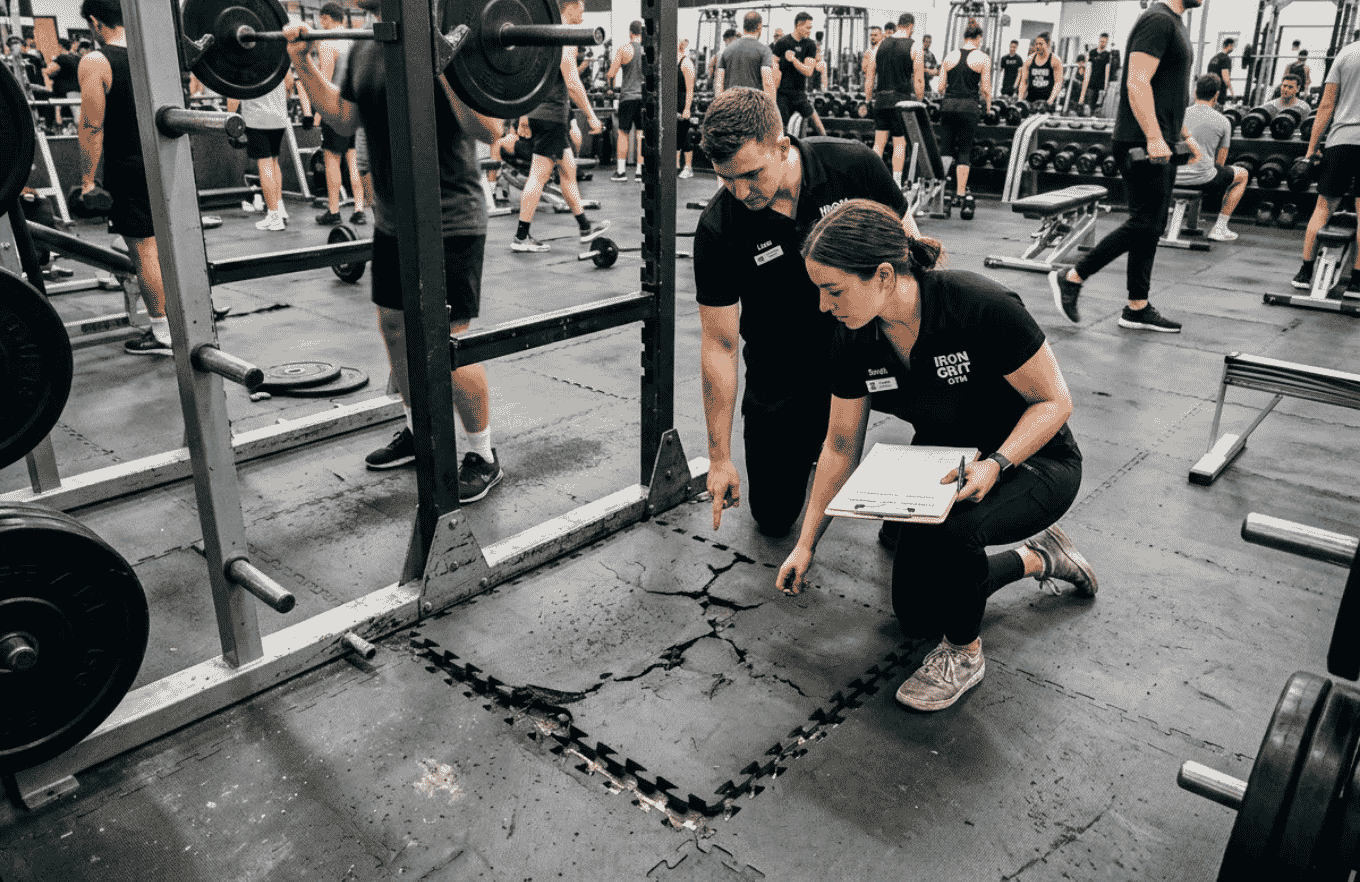
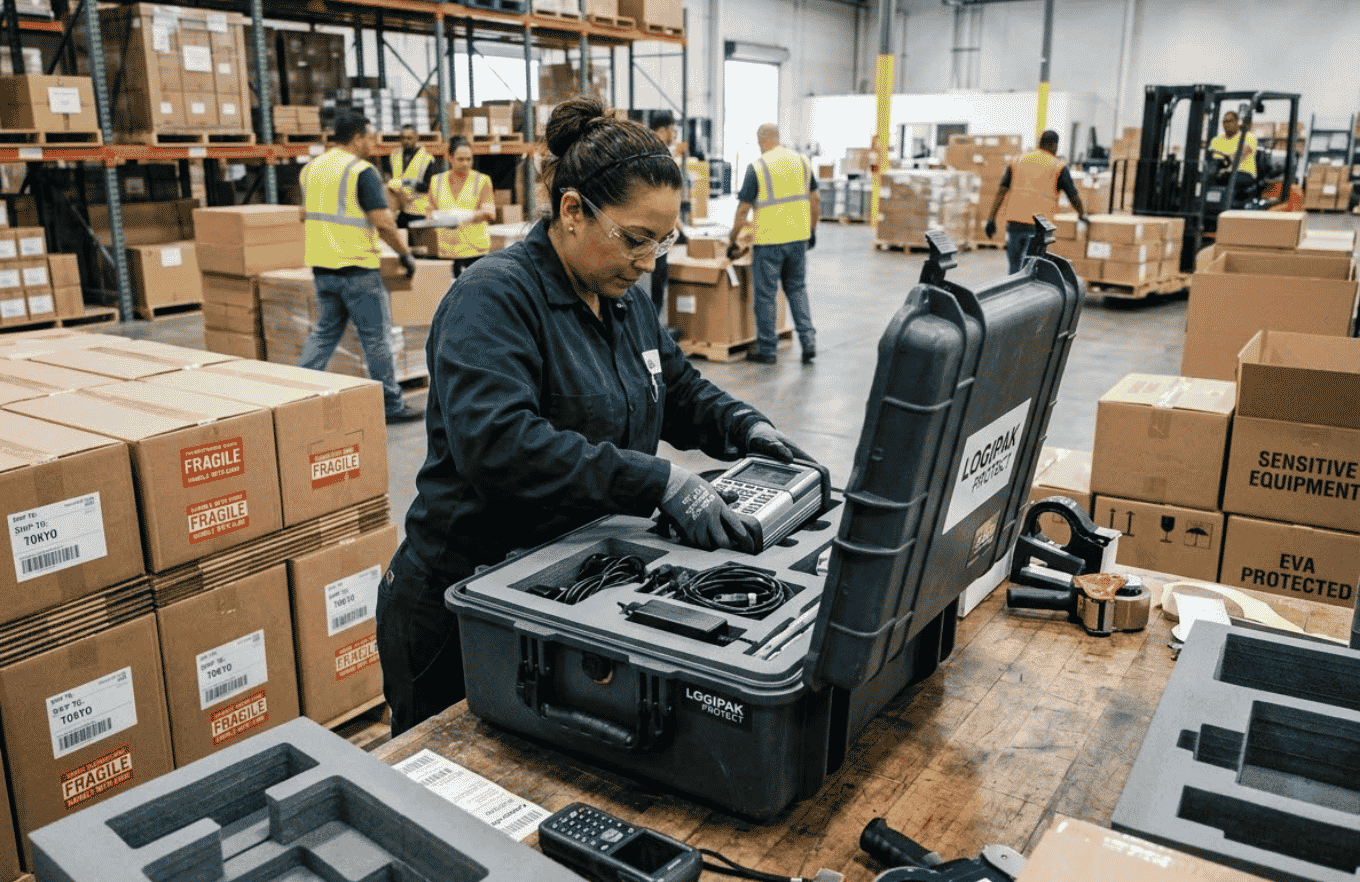
Choosing the right flooring material is no longer only about comfort, appearance, or price. Environmental impact has become an important part of the decision, especially for homes, gyms, play areas, offices, and commercial spaces. EVA Foam offers an interesting balance of comfort, durability, lightweight construction, and material efficiency that can support more responsible flooring choices.
Unlike rigid flooring surfaces that can feel harsh underfoot, foam flooring adds cushioning while helping create practical, easy-to-maintain spaces. Samad Foam provides foam solutions that can be adapted for different flooring requirements, including applications where comfort and long-term usability matter.
But how does foam flooring contribute to environmental considerations? In this blog, we are going to look at the key environmental benefits, from efficient material use and product longevity to recyclability and transportation advantages.

One of the biggest environmental considerations in flooring is how much material is required to achieve the desired performance. Lightweight foam can provide cushioning and surface protection without adding unnecessary weight to a structure.
This lower material weight can influence several stages of a product's life cycle. From manufacturing and handling to transportation and installation, using a lightweight material can make processes more efficient.
For large flooring projects, even small differences in product weight can become significant when multiplied across hundreds or thousands of square feet. This makes material efficiency an important consideration for manufacturers, distributors, and buyers looking to reduce resource consumption.
Flooring that is easier to handle can also simplify installation and replacement. Workers can move individual pieces without the heavy lifting associated with some traditional flooring materials.
The practical advantage is simple: less effort during installation can mean fewer resources required for transportation, handling, and fitting.
A sustainable flooring choice is not simply one that uses environmentally preferable materials. Longevity matters too. A product that needs frequent replacement can create additional manufacturing demand, packaging requirements, transportation needs, and waste.
Quality EVA Mats can provide cushioning and resilience for environments where people walk, exercise, play, or work regularly. Their ability to withstand everyday use makes them suitable for applications where flooring needs to remain functional over time.
Samad Foam focuses on foam solutions designed around practical performance requirements. When flooring continues performing for longer, users may not need to replace it as frequently, which can help reduce material consumption over the product's useful life.
End-of-life considerations are becoming increasingly important across the flooring industry. Manufacturers and buyers are paying closer attention to what happens when products are removed from service.
Depending on the formulation, production process, and local recycling infrastructure, foam materials may offer opportunities for recycling or material recovery. This is why responsible sourcing and clear information about material composition are important when evaluating flooring products.
Manufacturers can also explore production practices that reduce scrap and improve material utilization. Production offcuts and manufacturing waste may sometimes be managed through internal reuse or appropriate recycling systems.
Samad Foam can serve customers in international markets, including Europe, where sustainability considerations are increasingly influencing material and product decisions. For manufacturers, selecting materials with efficient production and end-of-life strategies can support broader environmental objectives.
The goal is not simply to label a material as “green.” Instead, buyers should consider the complete picture, including manufacturing, transportation, usage, maintenance, and disposal.
Flooring products often travel considerable distances before reaching their final destination. Weight therefore becomes an important consideration in supply chain efficiency.
Because foam products are lightweight compared with many dense flooring alternatives, they can be easier to transport and handle. This can be particularly useful when supplying large commercial orders or shipping products internationally.
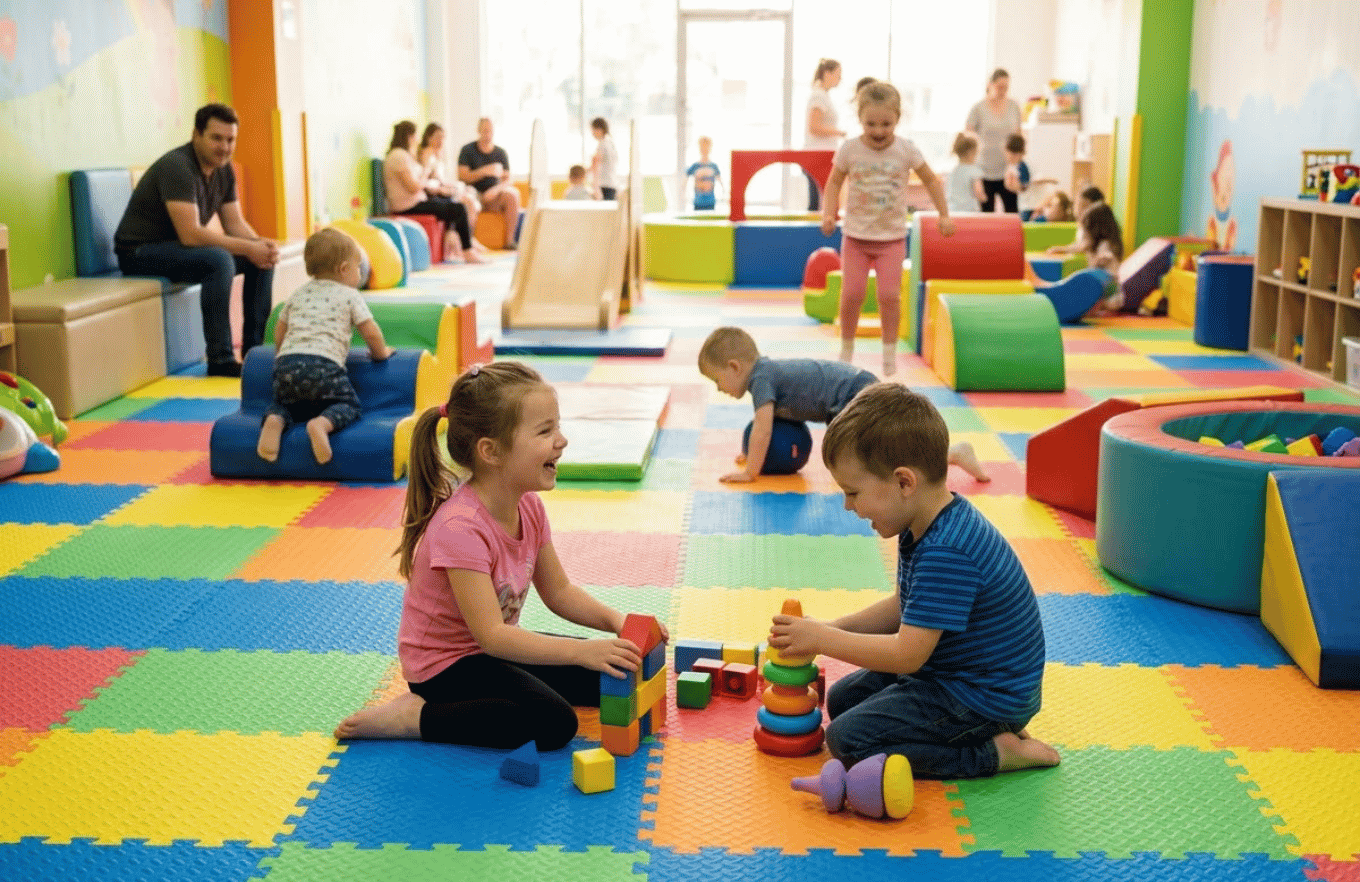
For customers in the USA, this combination of lightweight construction and practical performance can make foam flooring an appealing option for gyms, children's play areas, fitness studios, and other high-use environments.

Environmental responsibility does not have to mean sacrificing everyday comfort. Modern flooring needs to perform for real people in real environments.
EVA Foam can provide cushioning that helps create softer walking and exercise surfaces. Its shock-absorbing characteristics can make spaces more comfortable while also providing a practical alternative to harder surfaces.
This combination is where the material becomes particularly interesting. Sustainability is most useful when it works alongside performance rather than competing with it.
When comparing flooring materials, buyers should look beyond the initial purchase price. Consider durability, weight, maintenance requirements, material composition, expected lifespan, manufacturing practices, and end-of-life options.
Furthermore, the best choice depends on the application. A home playroom may have different requirements from a commercial gym or industrial workspace. Evaluating the actual environment helps prevent over-specifying or under-specifying the flooring material.
Samad Foam offers material solutions for different application needs, helping manufacturers and buyers consider performance alongside practical material efficiency.
The environmental benefits of foam flooring come from several factors working together. Lightweight construction can improve handling and transportation efficiency, while durability can reduce the need for frequent replacement. Opportunities for responsible material management can also support better end-of-life practices.
For buyers seeking comfortable, practical, and potentially more resource-efficient flooring solutions, EVA Mats are worth considering as part of a broader sustainability strategy.
Contact Samad Foam today for reliable EVA solutions designed around your flooring requirements, performance goals, and responsible material choices.
Its environmental impact depends on formulation, manufacturing, durability, energy use, and end-of-life management. Lightweight construction and long service life can contribute to a more resource-efficient flooring solution.
Yes, EVA Mats can be suitable for gyms, fitness areas, play spaces, and other commercial environments where cushioning, comfort, and easy handling are important.
Recycling possibilities depend on the specific material formulation and available local recycling infrastructure. Buyers should confirm recycling and disposal options with their material supplier.