Innovation is making waves across the foam industry, and the results are impossible to ignore. Manufacturers today are searching for materials that balance performance, sustainability, and long-term value without compromising product quality. This shift has pushed Buoyant Foam into the spotlight as industries look for smarter production solutions that meet modern environmental and commercial expectations. While traditional materials continue to play a role, advanced recycling technologies are proving that sustainability and high performance can work together.
From marine equipment to safety products and industrial applications, material selection has become a strategic decision rather than simply a manufacturing step. Buyers increasingly expect products that reduce environmental impact while maintaining strength, durability, and consistent performance. Material innovations are making that possible through improved processing methods and better resource utilization. In this blog, we are going to explore how recycled material innovation is transforming buoyant foam manufacturing, why it matters for businesses, and what it means for future product development.
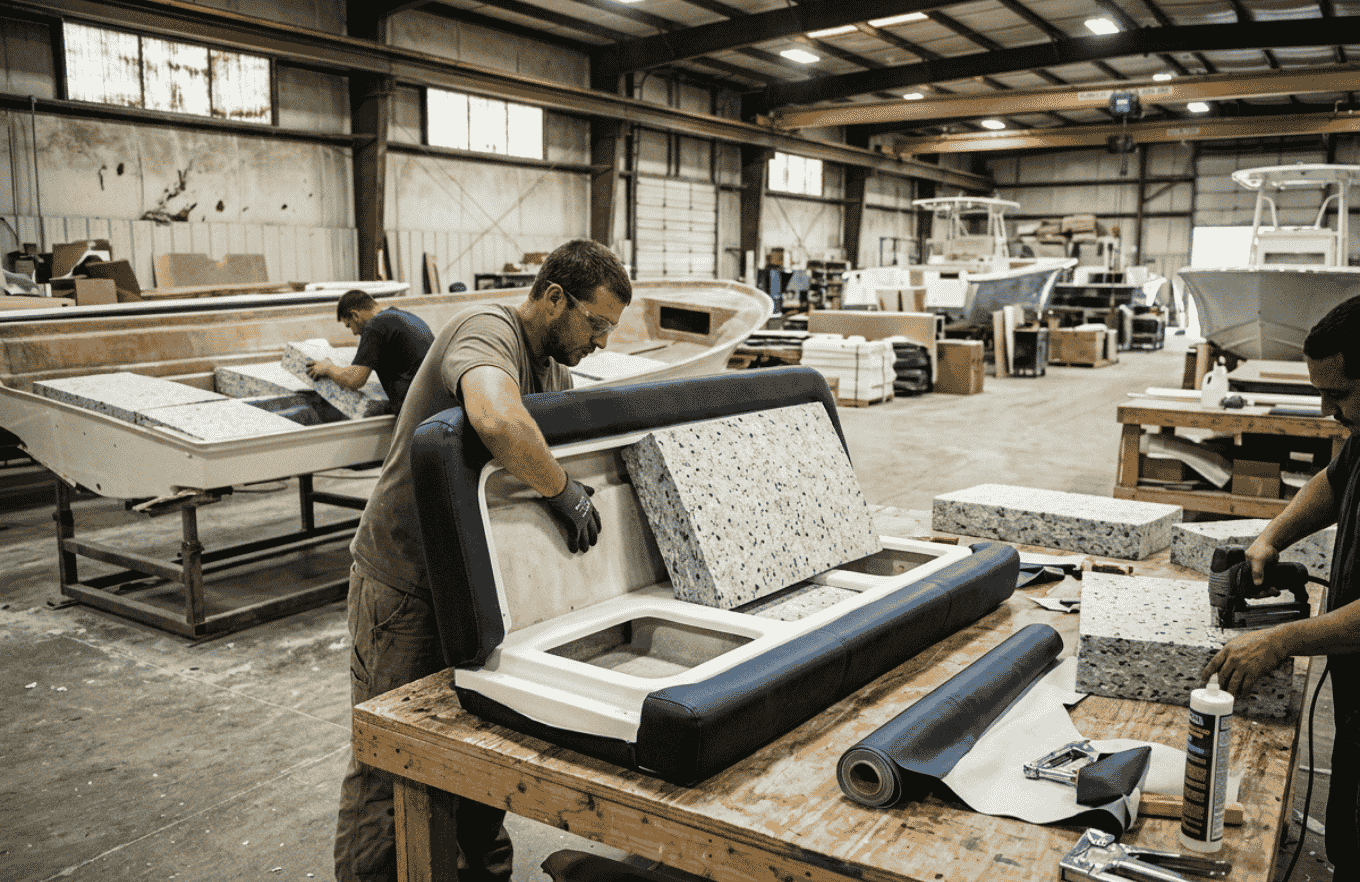
Modern manufacturers face growing pressure to improve product quality while reducing waste and production costs. As sustainability becomes an important purchasing factor, innovation is no longer optional. Companies investing in better material technology often gain stronger customer trust and better long-term competitiveness.
The development of Recycled Foam has significantly changed how foam products are manufactured. Instead of viewing recycled material as a compromise, manufacturers now recognize it as an opportunity to improve resource efficiency while maintaining reliable performance. Better sorting systems, cleaner processing techniques, and advanced manufacturing controls have dramatically increased the quality of recycled foam products.
Companies like Samad Foam continue supporting industries by providing dependable foam solutions for customers in the USA, helping businesses meet demanding performance expectations while improving sustainability goals.
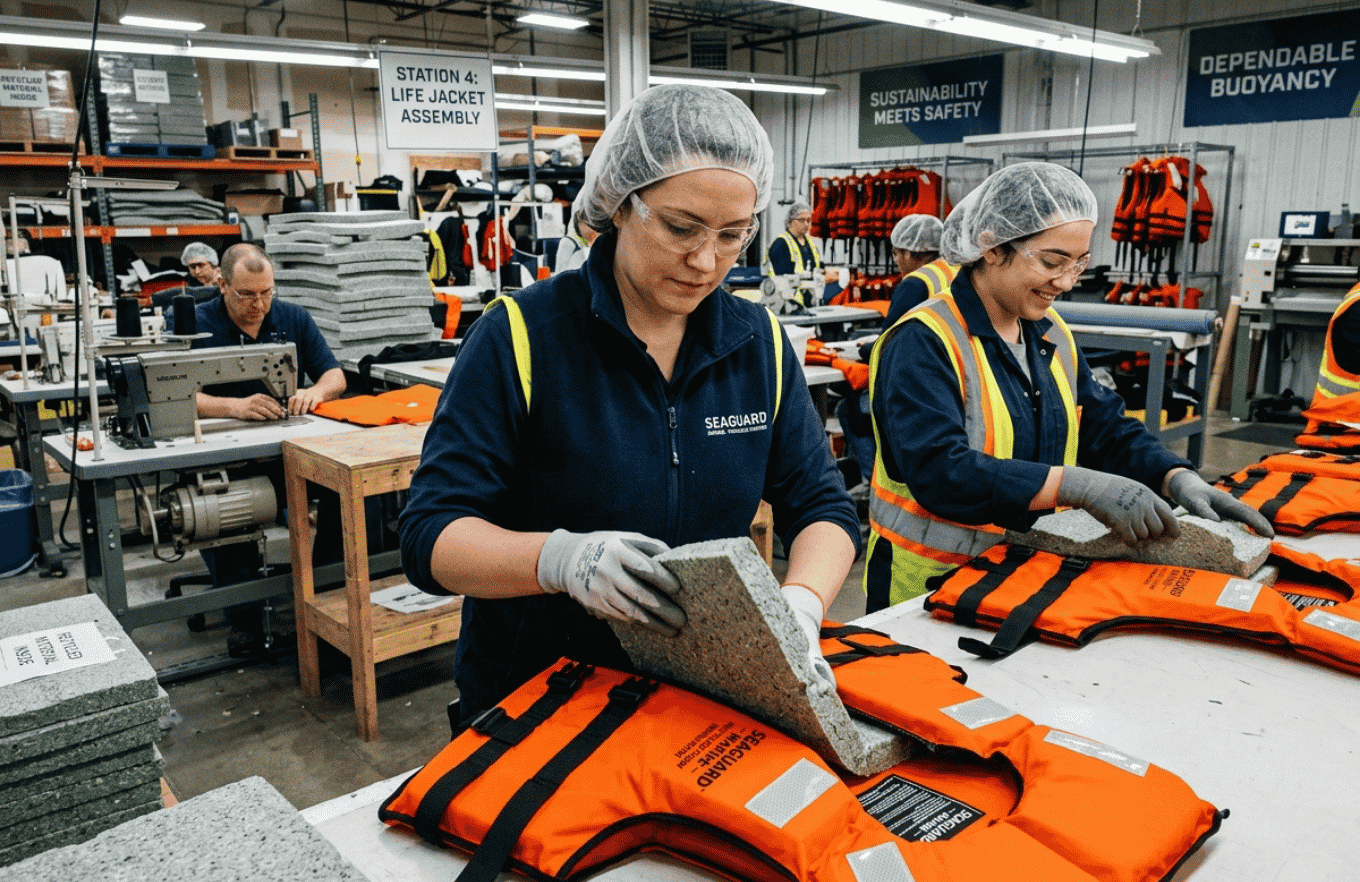
Quality buoyancy depends on factors such as density, cell structure, flexibility, and moisture resistance. Modern recycled materials can now be processed to achieve many of these same characteristics through advanced manufacturing techniques.
Today's production methods remove contaminants, improve consistency, and create materials capable of performing in demanding environments. This means manufacturers can produce reliable buoyant products without relying entirely on virgin raw materials.
Material innovation is not limited to recycling alone. Better equipment, improved quality control systems, and precise manufacturing processes allow recycled content to perform more consistently than ever before. Moreover, manufacturers carefully monitor density, compression recovery, and structural stability throughout production to ensure every batch meets strict performance requirements.
This continuous improvement enables foam manufacturers to deliver products suitable for flotation equipment, protective devices, sports products, and industrial applications while supporting environmental responsibility. Companies such as Samad Foam continue investing in advanced production technologies to supply reliable foam solutions across diverse global industries.
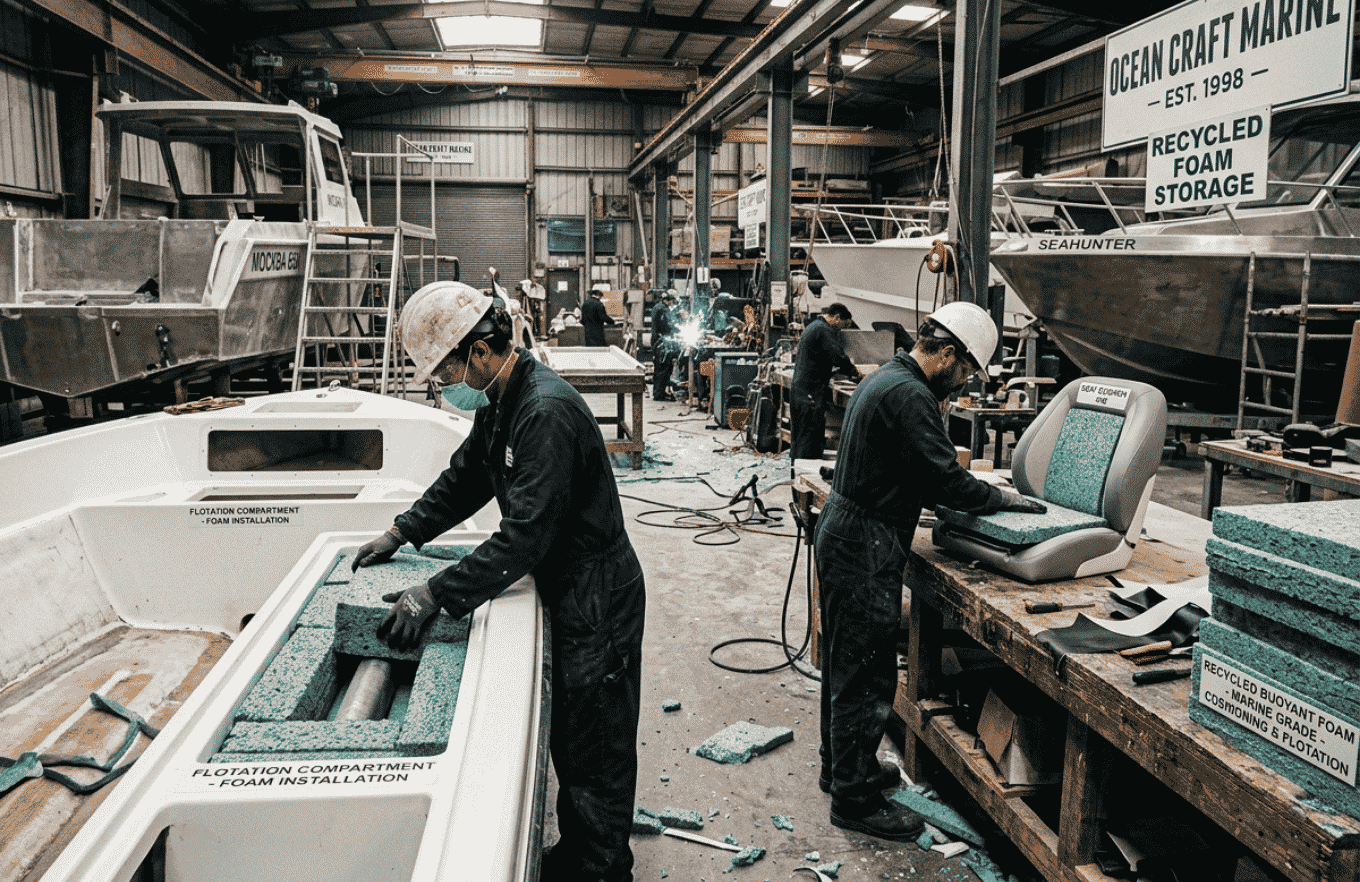
As innovation continues, more industries are realizing that sustainable materials can also deliver outstanding performance. Modern Buoyant Foam solutions are now widely used across marine safety products, floating recreational equipment, industrial flotation devices, and specialized protective applications. Businesses no longer have to sacrifice quality when choosing environmentally responsible materials.
Manufacturers are also redesigning products to reduce waste throughout the production cycle. Improved processing techniques allow recycled raw materials to maintain consistent density, buoyancy, and durability. This creates dependable products suitable for demanding commercial applications.
When sourcing flotation materials, decision-makers should carefully evaluate several important factors:
● Material consistency across production batches
● Long-term buoyancy performance
● Resistance to water absorption
● Compression recovery after repeated use
● Processing compatibility with existing manufacturing equipment
● Environmental certifications and sustainability practices
Selecting the right material requires balancing technical performance with long-term operational value. A supplier that invests in quality testing and manufacturing controls can help reduce production risks while improving finished product reliability.
Today's customers increasingly expect manufacturers to demonstrate responsible sourcing practices. Companies that integrate Recycled Foam into their manufacturing strategies often strengthen their environmental reputation while supporting circular production models.
Furthermore, many businesses exporting to international markets are responding to stricter sustainability expectations from distributors and commercial buyers. Manufacturers supplying Europe frequently prioritize recyclable materials to align with changing environmental standards. Likewise, many companies serving the USA continue expanding sustainable product lines to meet growing customer demand.
Organizations such as Samad Foam continue to support manufacturers by supplying reliable foam solutions designed for industrial performance and international quality expectations.
Innovation rarely happens through dramatic changes alone. Often, meaningful progress comes from making smarter material choices that improve both product performance and environmental responsibility. The growing relationship between Buoyant Foam technology and sustainable manufacturing demonstrates that recycled materials are no longer viewed as compromises but as practical engineering solutions for modern industries.
As manufacturing continues evolving, companies that invest in dependable, sustainable materials position themselves for stronger long-term growth, improved customer confidence, and greater market competitiveness.
Partner with Samad Foam today for high-quality foam solutions that combine dependable performance, sustainable manufacturing practices, and trusted international supply support for your growing business needs.
The future of flotation materials is being shaped by smarter engineering and responsible manufacturing. By combining innovation with sustainability, manufacturers can achieve reliable performance while reducing environmental impact. Choosing quality materials today helps build stronger, more competitive products for tomorrow.
High-quality buoyant materials are engineered with stable cell structures that retain flotation properties even after prolonged use and repeated exposure to water.
Yes. Modern manufacturing processes allow recycled foam materials to deliver reliable buoyancy, durability, and consistent performance for many industrial applications.
Sustainable foam materials help reduce environmental impact, support regulatory compliance, improve brand reputation, and provide dependable performance for commercial manufacturing applications.
.svg)

.svg)