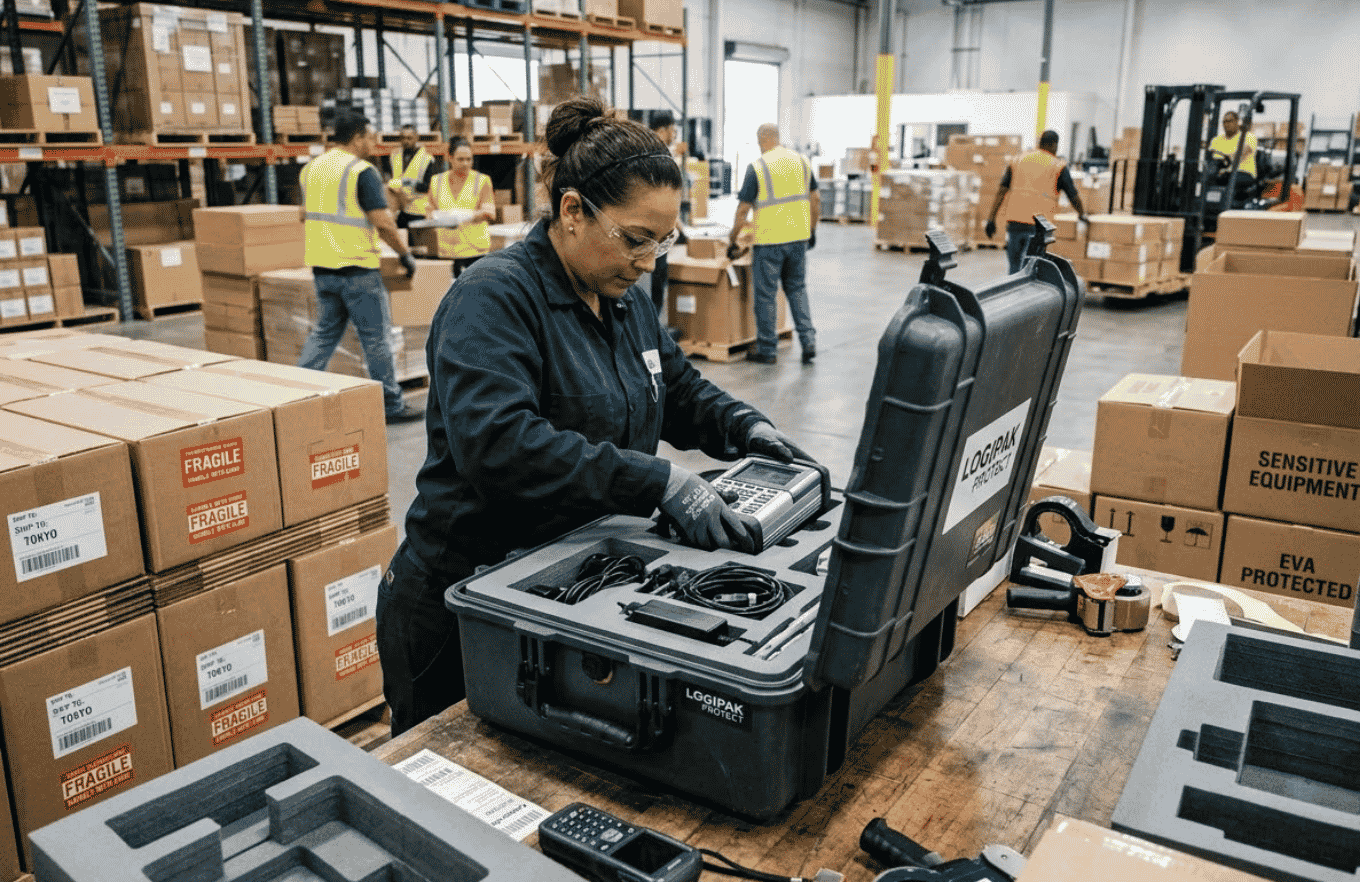
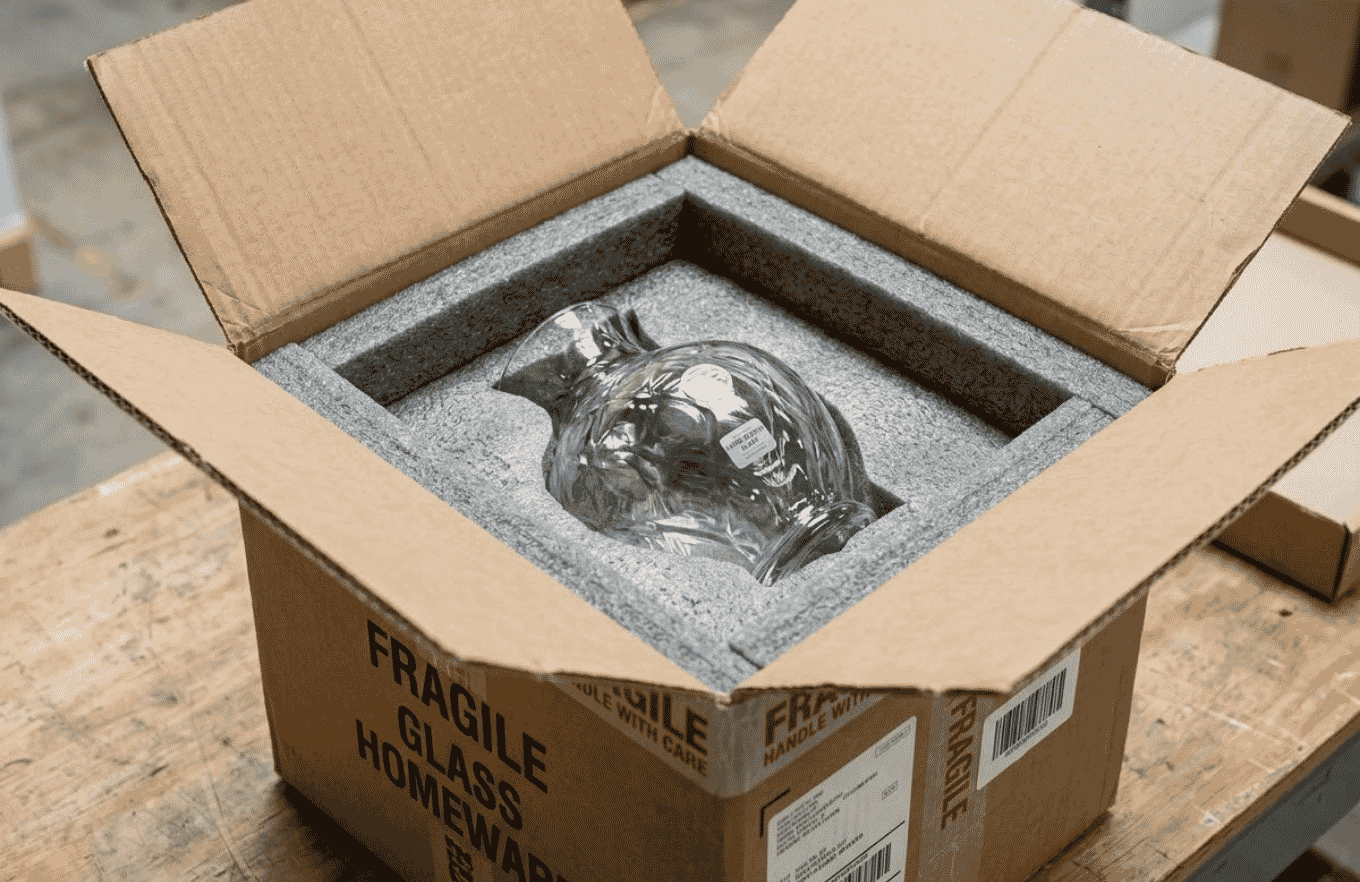
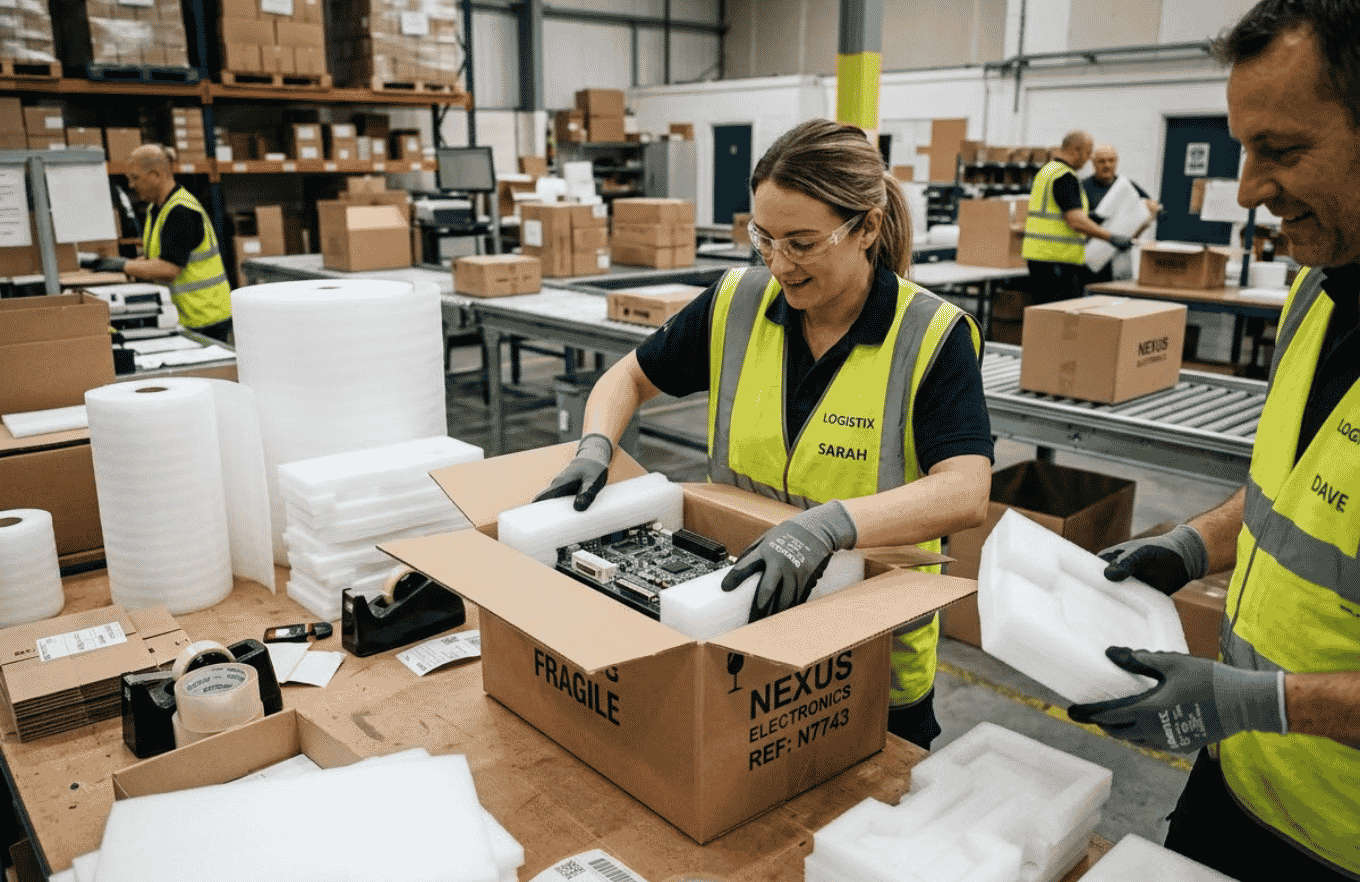
LDPE Foam is widely used in packaging, insulation, and protective cushioning because it is lightweight, flexible, and highly shock-absorbent. From electronics shipping to industrial storage, LDPE Foam plays a critical role in keeping products safe during transport. However, like any material, it comes with its own set of challenges that can affect performance if not properly understood.
In many industries, LDPE Foam is preferred over alternatives due to its cost efficiency and durability. Still, issues like compression loss, improper density selection, and environmental degradation can reduce its effectiveness. Understanding these problems early helps manufacturers, suppliers, and end users make better decisions and extend product lifespan.
This guide breaks down the most common LDPE Foam problems and practical ways to avoid them, ensuring better performance in real-world applications.
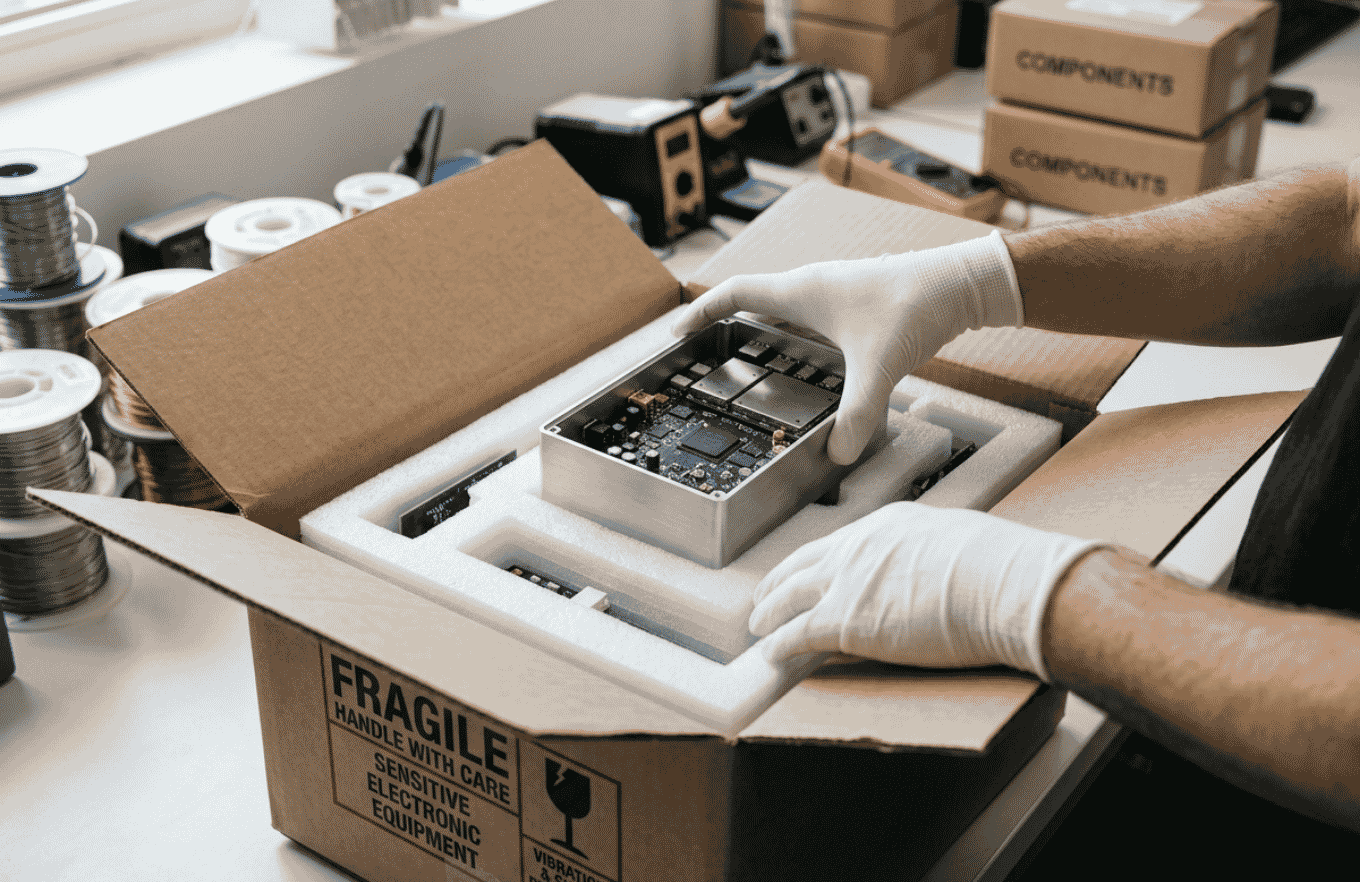
One of the most frequent issues with LDPE Foam is compression set, where the foam fails to return to its original thickness after repeated pressure.
Key causes include:
● Low-density foam selection for heavy loads
● Continuous stress during storage or transport
● Poor material formulation
When this happens, the protective ability of LDPE Foam decreases, increasing the risk of product damage.
Not all LDPE Foam grades are suitable for every application. Choosing the wrong density often leads to performance failure.
Common mistakes include:
● Using thin foam for heavy industrial items
● Overusing high-density foam for lightweight packaging
● Ignoring the product fragility level
A mismatch in density reduces efficiency and increases packaging costs unnecessarily.
Although LDPE Foam performs well in controlled conditions, exposure to extreme temperatures and UV rays can degrade it over time.
Effects include:
● Reduced flexibility in cold environments
● Softening under high heat
● Surface cracking after long UV exposure
This is especially important in outdoor storage and long-distance shipping applications.
In industries where LDPE Foam is combined with adhesives or other materials, bonding issues may occur.
Typical reasons:
● Surface contamination
● Low-quality adhesive selection
● Improper surface treatment
● This can lead to the separation of layers, reducing structural integrity.
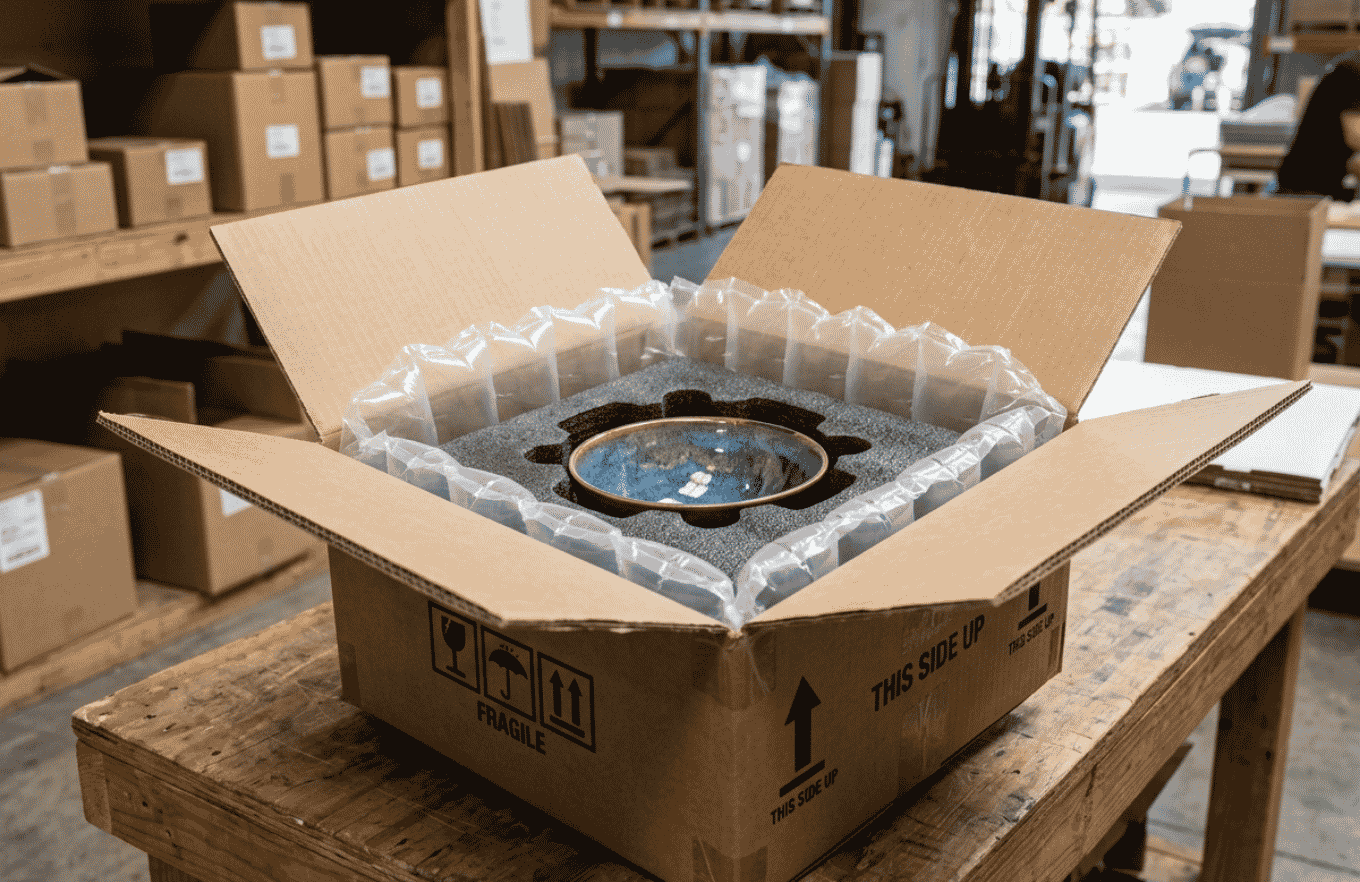
Choosing the correct density is the foundation of foam performance.
Recommended approach:
● Light packaging: low-density LDPE Foam
● Industrial goods: medium to high-density foam
● Fragile electronics: layered foam protection
● Proper selection improves durability and reduces replacement costs.
For environments exposed to sunlight or moisture, protective coatings can significantly extend foam life.
Benefits include:
● Increased UV resistance
● Improved moisture protection
● Longer material lifespan
● This is especially useful in export packaging and outdoor logistics.
Storage plays a big role in foam quality retention.
Best practices:
● Store LDPE Foam in dry, shaded areas
● Avoid stacking heavy loads on foam sheets
● Maintain moderate room temperature
● These steps prevent early deformation and material breakdown.
In high-impact industries, LDPE Foam performs better when combined with other cushioning materials.
Common combinations:
● LDPE Foam + corrugated sheets
● LDPE Foam + air cushioning layers
● LDPE Foam + reinforced packaging boards
● This hybrid approach increases shock absorption efficiency.

LDPE Foam is used across multiple industries where product protection is essential. In electronics shipping, it prevents vibration damage. In automotive packaging, it cushions sensitive components. In medical equipment transport, it maintains product stability.
However, performance expectations vary depending on usage conditions. For example, logistics companies in the USA often require higher-density LDPE Foam due to long transit distances, while packaging industries in Europe focus more on lightweight, recyclable foam solutions for sustainability compliance.
Manufacturers like Samad Foam provide tailored LDPE Foam solutions that align with different industrial requirements, ensuring consistent quality and performance across global markets.
Samad Foam focuses on advanced production techniques that reduce common LDPE Foam problems before they occur.
Key advantages include:
● Controlled density manufacturing
● Enhanced durability testing
● Improved resistance to compression loss
● Application-specific foam customization
By optimizing production quality, Samad Foam helps industries avoid frequent packaging failures and improve operational efficiency.
LDPE Foam remains one of the most reliable materials for packaging and protective applications. However, issues like compression loss, incorrect density selection, and environmental sensitivity can impact performance if ignored.
By understanding these challenges and applying proper preventive measures, businesses can significantly improve packaging efficiency and reduce product damage. With the right material selection and expert manufacturing support, LDPE Foam continues to be a dependable solution across global industries.
Get high-quality LDPE Foam solutions tailored to your needs. Contact us today to improve packaging performance and reduce product damage.
Repeated compression, low-density selection, and heavy load exposure are the main reasons LDPE Foam loses resilience over time.
Yes, but it should be protected from UV exposure and extreme weather conditions to maintain long-term performance.
The choice depends on product weight and fragility. Heavier items require thicker and higher-density LDPE Foam layers for safety.
.svg)

.svg)