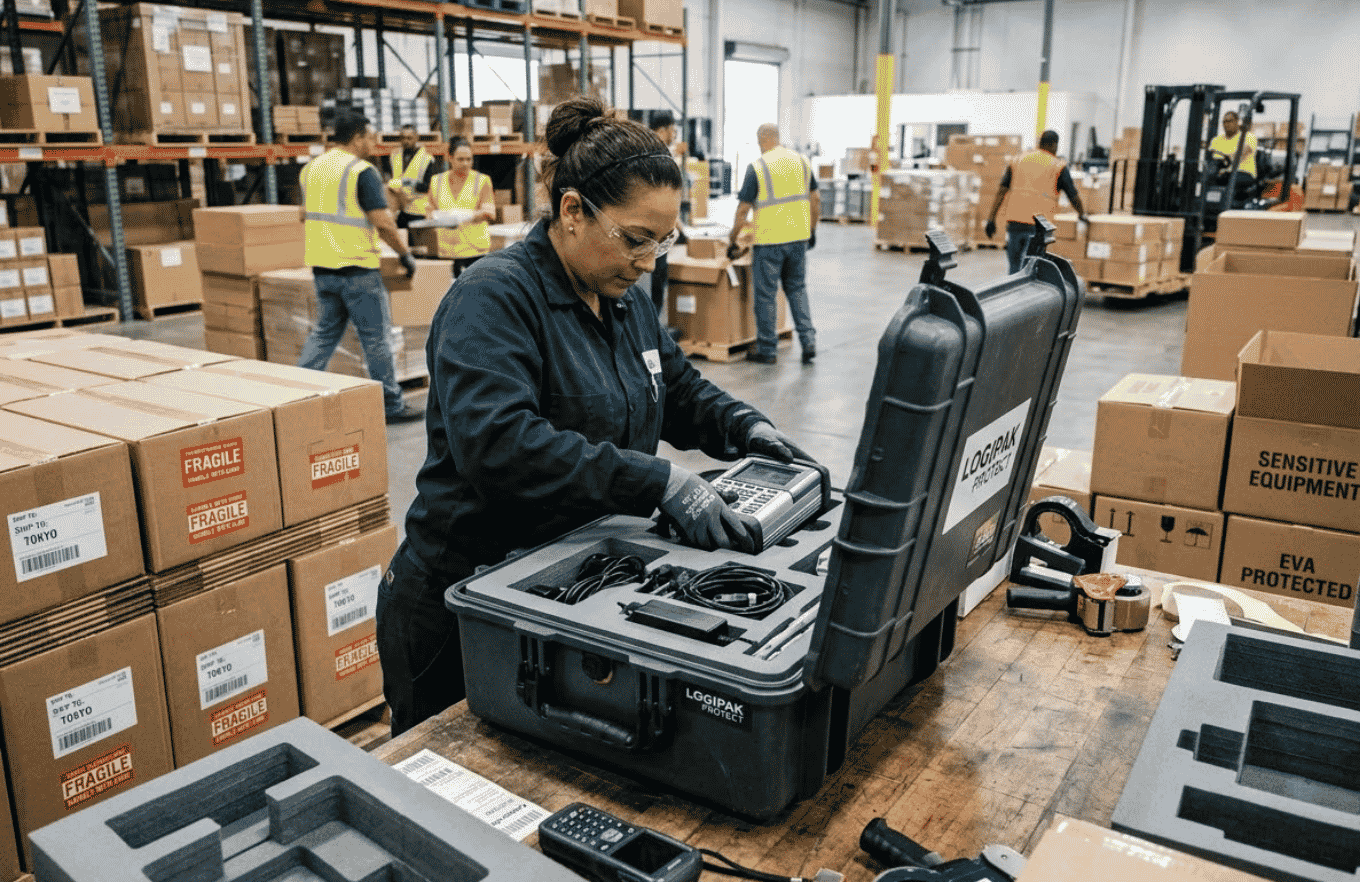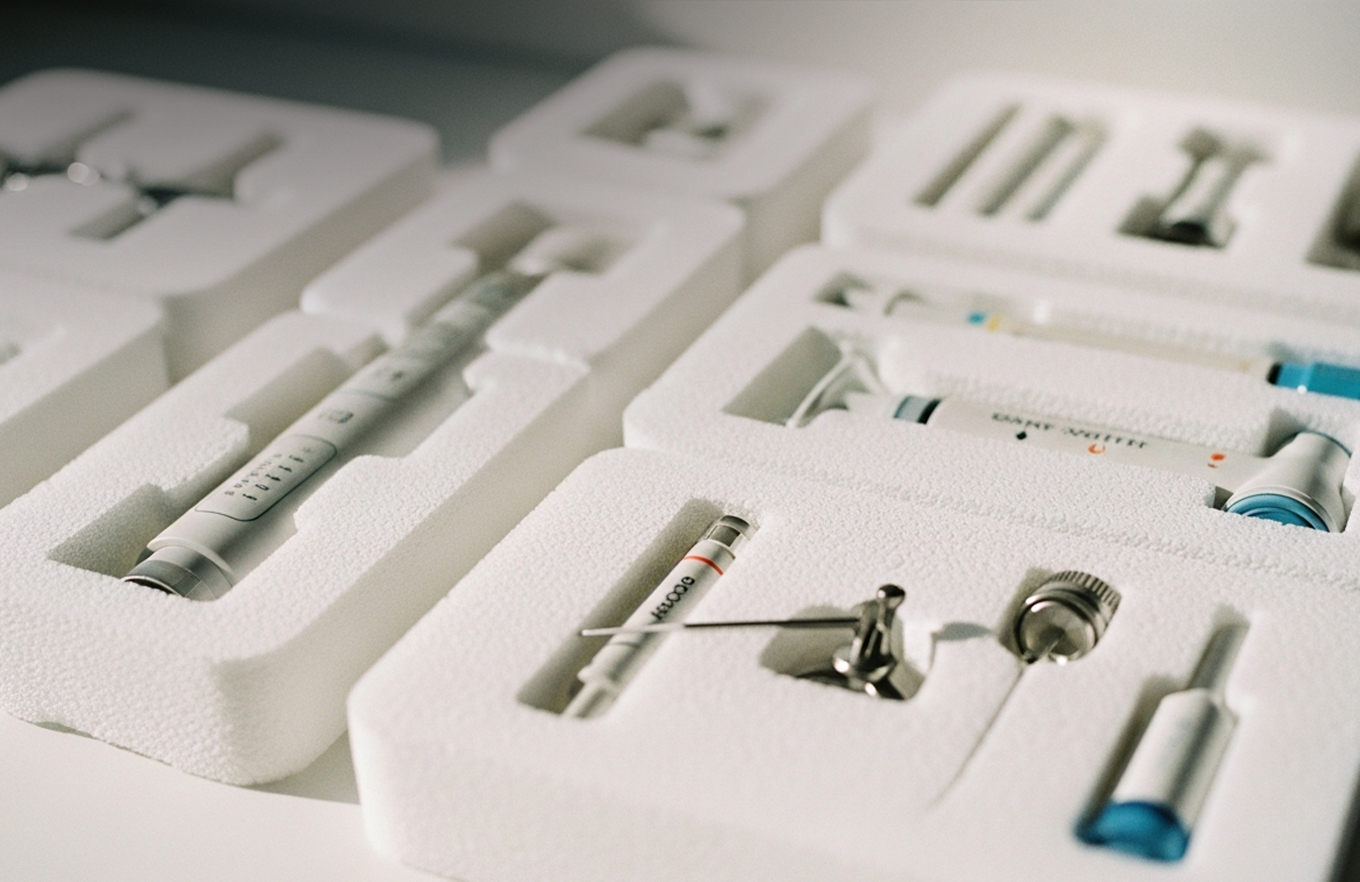
The global market has seen a noticeable rise in the demand for LDPE foam, and this shift is changing how industries select, design, and optimize their materials. Manufacturers, packaging companies, and product developers are paying closer attention to LDPE foam because its adaptability keeps proving valuable across applications that require cushioning, insulation, and long-term durability.
Well, it is important to understand why LDPE foam has become such a core topic, especially as more brands and industries rely on it. As LDPE foam continues to expand across worldwide markets, its growth is having a clear influence on how TPE foam is used and refined in different sectors. Companies, including Samad Foam, continue supporting this transition as they supply both materials to industries in the USA and Europe.
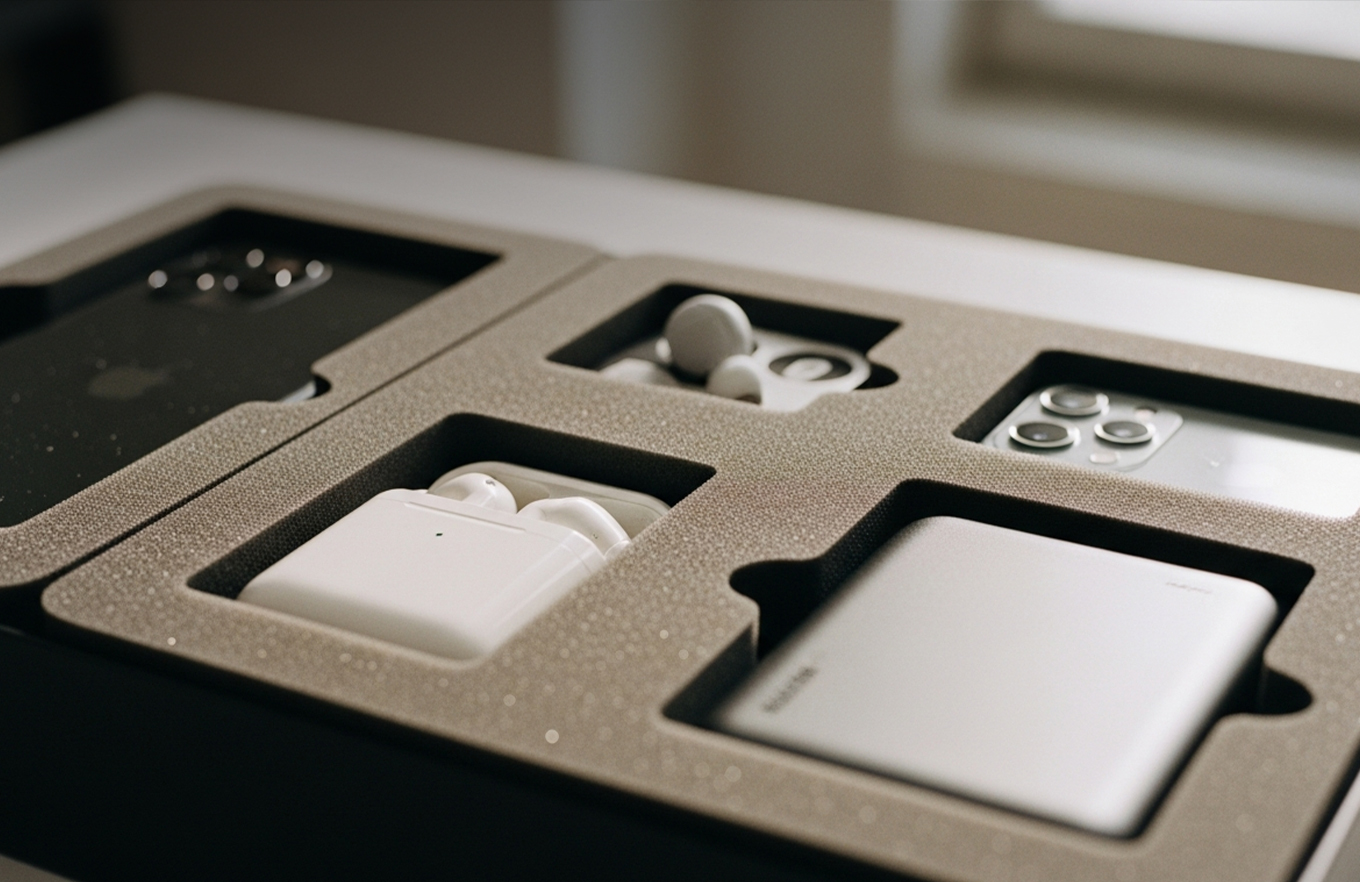
LDPE foam has always been known for its lightweight structure and reliable performance, but its global rise is tied to broader shifts in manufacturing and logistics. International brands want materials that reduce weight without compromising protection. This has pushed LDPE foam into the spotlight, especially among companies that manage large-scale packaging operations. Its flexibility has also encouraged engineers to use it in product parts where softness, density control, and precision matter. As Samad Foam continues serving manufacturers in Europe, the material’s presence has strengthened even further.
This expansion is also connected to new product categories that are growing faster than expected, including medical devices, consumer electronics, and e-commerce shipments. These industries want packaging that aligns with environmental targets. LDPE foam offers consistent performance while remaining easy to fabricate, which helps companies maintain production speed. This steady rise is reshaping how the market views alternatives and complements like TPE foam.
As LDPE foam gains popularity, industries are reassessing where TPE foam fits best. These two materials do not replace each other entirely. Instead, LDPE foam influences how companies use TPE foam by setting new expectations for cost, performance, and sustainability. Manufacturers who previously depended heavily on TPE foam are now rebalancing their material mix to include more LDPE foam where softness, cushioning, or thermal resistance is needed.
TPE foam still holds its place in applications that demand elasticity, grip, or tactile comfort. Still, LDPE foam’s rise has prompted companies to refine their TPE foam usage strategies. Samad Foam has observed this shift in orders from partners in the USA, where clients now test hybrid approaches that combine both materials in the same packaging or product. This is creating new pathways for innovation, especially for industries that want the versatility of TPE foam but the lightweight benefits of LDPE foam.
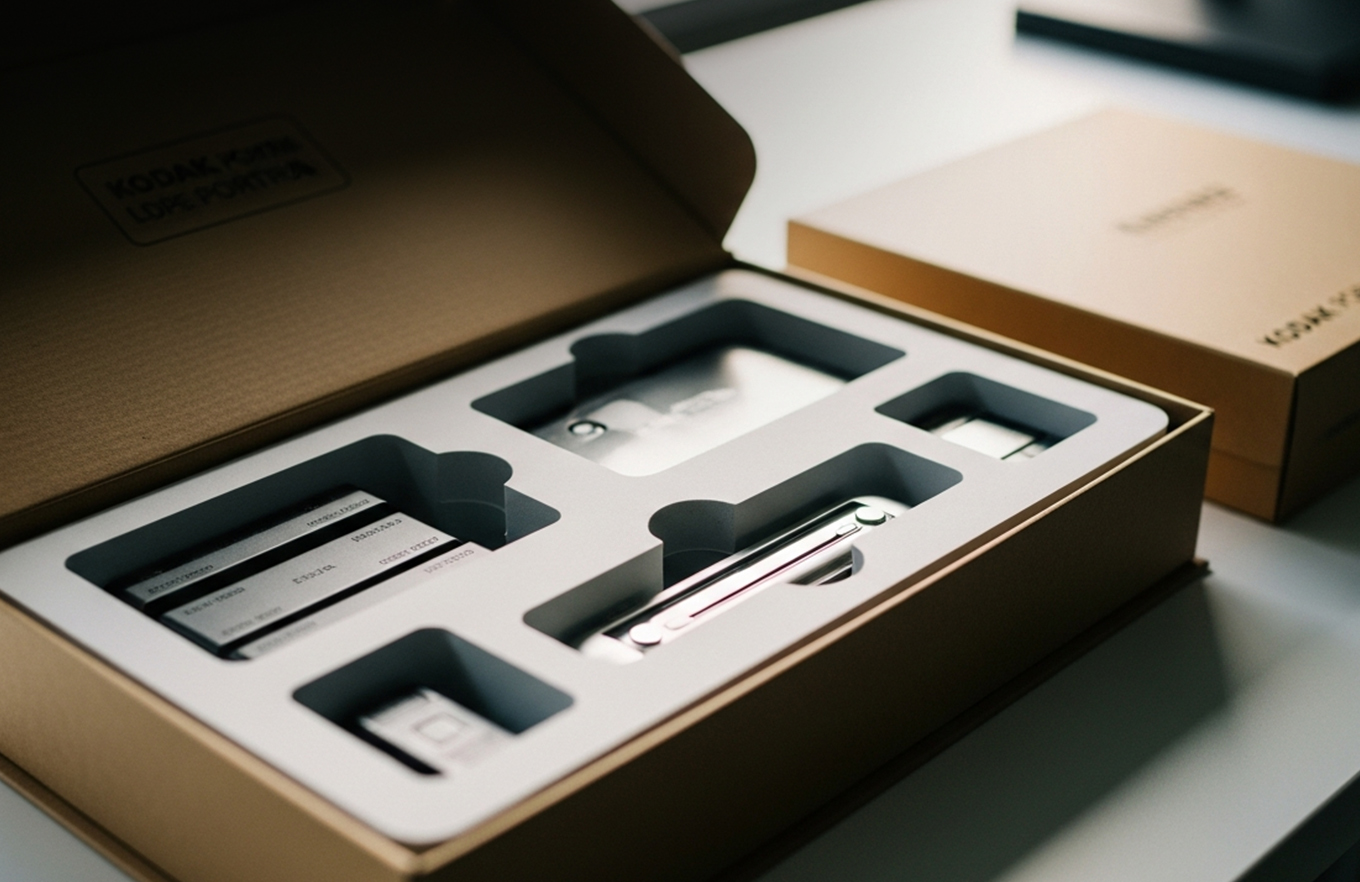
The global push for faster logistics and safer transportation conditions has encouraged the use of LDPE foam across supply chains. Companies want materials that save costs without sacrificing product integrity, and LDPE foam provides both qualities. In many regions, especially where cross-border packaging is growing, LDPE foam is becoming a standard material.
The rise of e-commerce continues to influence this trend. Products are now shipped more often and across longer distances, and LDPE foam helps minimize damage during handling. As industries expand their operations, Samad Foam has seen consistent demand for LDPE foam due to its flexibility during custom fabrication and its ability to support varied cushioning needs.
The increased focus on manufacturer-friendly materials also plays a role. LDPE foam can be cut, laminated, and shaped easily, which helps production teams shorten timelines. Meanwhile, TPE foam is being used more selectively, mainly in applications where additional comfort, softness, or grip is required.
Interestingly, the rise of LDPE foam has not slowed TPE foam development. Instead, it has motivated manufacturers to improve TPE foam’s durability, temperature stability, and performance. Because LDPE foam sets high expectations for versatility, companies that rely on TPE foam want better value from their material selections.
This has led to new formulations with improved compression recovery and enhanced tactile feel. Samad Foam has worked with clients who now mix advanced TPE foam designs with LDPE-based components to create upgraded consumer products. This synergy shows how both materials can coexist while supporting different market demands.
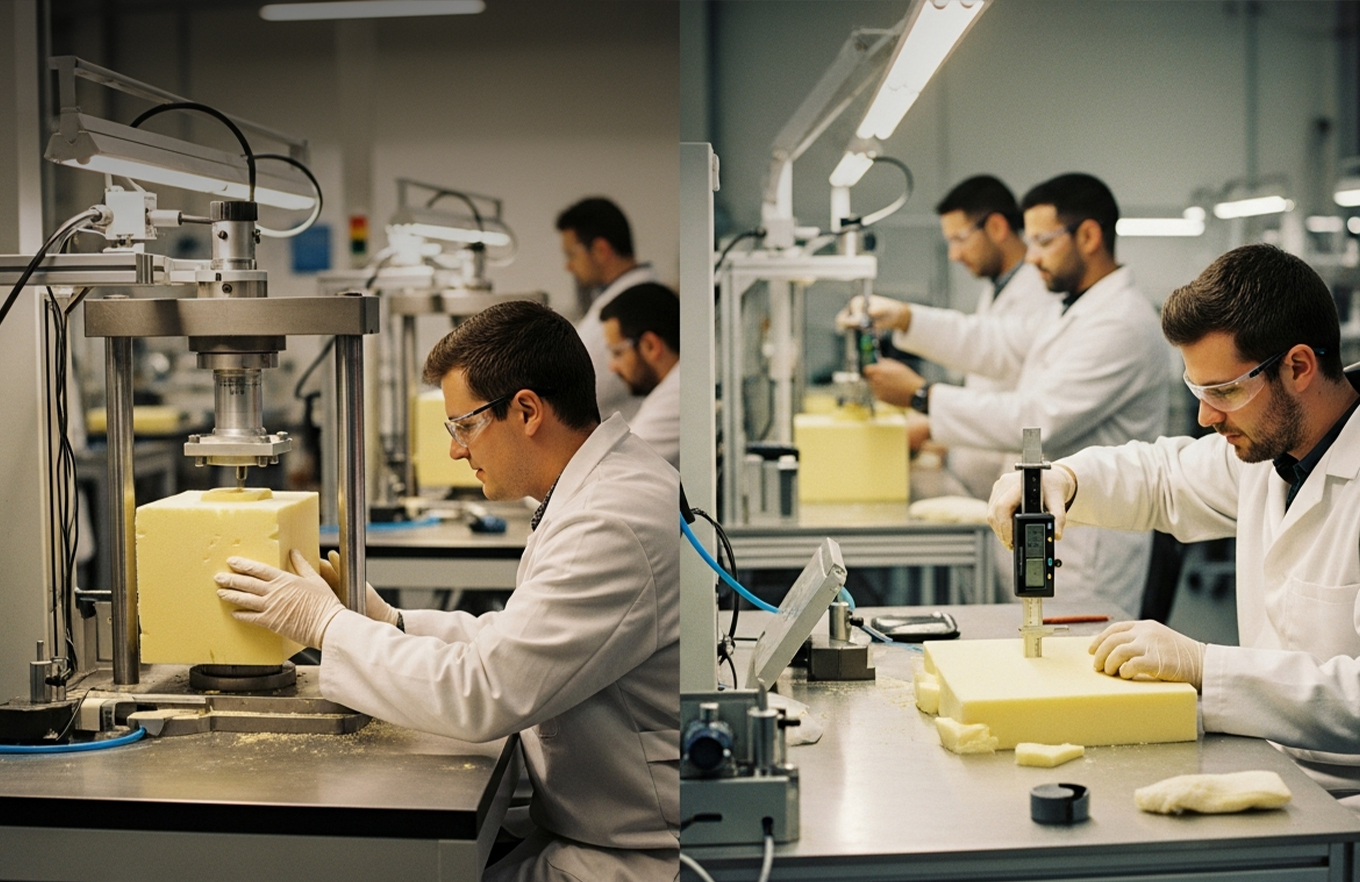
As industries look toward the future, sustainability remains a central driver in material selection. LDPE foam has gained attention due to its long-lasting structure and recyclability pathways emerging across global regions. This has boosted its presence in industries concerned about environmental footprints.
At the same time, TPE foam continues to evolve as manufacturers search for greener alternatives. The interplay between these materials is shaping a more circular approach to product design. Companies want lighter, more durable, more recyclable materials, and LDPE foam offers a steady foundation for this direction.
The future will likely see these materials used in tandem as brands explore ways to balance durability, cost-efficiency, comfort, and environmental responsibility. Samad Foam’s presence in international markets allows it to support this transition through high-quality LDPE foam and TPE foam ranges suited for advanced applications.
Contact us today to explore durable LDPE and TPE foam solutions tailored for modern industrial needs.
The rise of LDPE foam across global markets is shaping how industries think, design, and plan for future production. Its growth is influencing how companies refine their use of TPE foam and how manufacturers innovate to meet new expectations. With its adaptability and increasing focus on sustainability, LDPE foam is expected to stay a core material for packaging, manufacturing, and engineering sectors. Businesses that understand these shifts can make more informed material decisions, especially as markets continue to evolve and demand higher standards of performance.
LDPE foam growth encourages manufacturers to diversify their material choices by balancing performance, cost, and sustainability to meet changing industry expectations.
Its rising demand shifts how companies assign roles to materials, using TPE foam more strategically in applications that require softness, elasticity, or enhanced grip.
E-commerce, electronics, medical supplies, and product packaging industries benefit most as LDPE foam supports safer transport and durable protection.
.svg)

.svg)