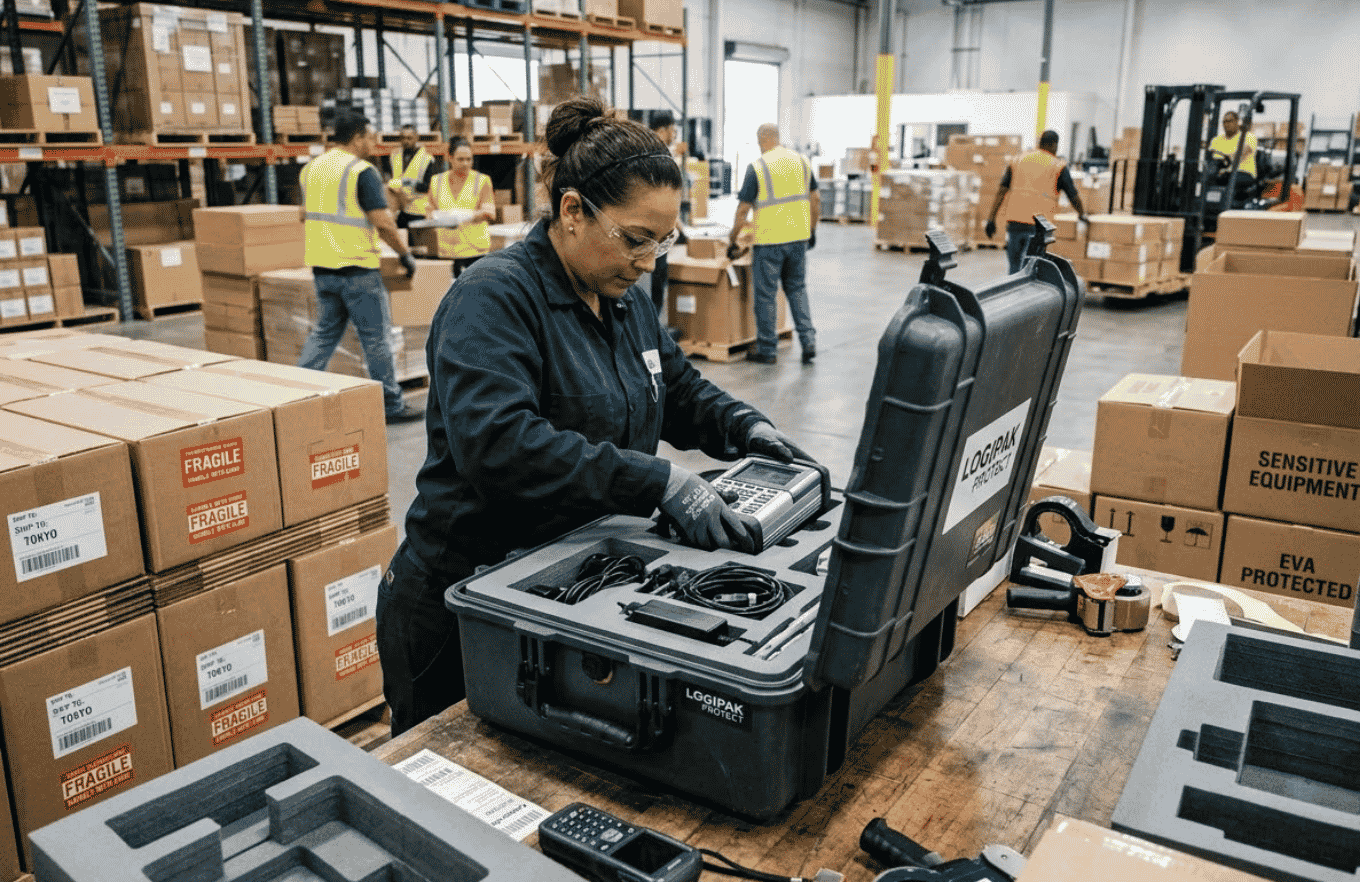
Packaging plays a critical role in protecting products from impact, vibration, moisture, and handling damage throughout the supply chain. Choosing the right Packaging Foam is therefore about more than simply filling space inside a box. Industrial buyers need materials that deliver consistent cushioning, suitable density, dimensional stability, and reliable performance under real shipping conditions. When suppliers fail to meet these expectations, damaged products, higher replacement costs, and customer complaints can quickly follow. This is where material quality and manufacturing consistency become essential. In this blog, we will examine the key factors that can help businesses determine whether their supplier's Packaging Foam is genuinely suitable for demanding industrial applications.
Industrial packaging faces conditions that ordinary consumer packaging may never encounter. Products can experience repeated impacts, compression during stacking, vibration during transportation, temperature changes, and rough handling.
A reliable foam solution should be selected according to the product's weight, fragility, dimensions, shipping environment, and expected handling conditions. Simply choosing the thickest material available is not always the answer. In fact, excessive cushioning can increase packaging size and cost without necessarily improving protection.
Samad Foam understands that effective packaging requires a balance between cushioning performance, material efficiency, and application requirements. Consistency is particularly important when businesses purchase foam in large quantities because variations in density or thickness can affect the performance of finished packaging.

Density directly influences cushioning, compression resistance, and overall product protection. If one batch performs differently from another, packaging teams may struggle to maintain consistent protection.
Businesses should therefore ask suppliers about their manufacturing controls and quality checks. Consistent production helps ensure that packaging performs predictably from one shipment to the next.
Foam used for protective packaging should recover appropriately after compression. If it permanently collapses under pressure, it may provide less protection during transportation.
This becomes particularly important when products are stacked for extended periods. A suitable foam material should retain its intended cushioning characteristics rather than becoming permanently flattened.
Packaging materials need to absorb and distribute energy when products are dropped or exposed to sudden movement. If the selected foam is too soft, too thin, or unsuitable for the product's weight, the packaging may fail when protection is needed most.
Samad Foam provides foam solutions designed around different packaging requirements, helping businesses select materials according to the level of protection their products require.
Some products travel through humid warehouses, outdoor loading areas, or changing climates. Packaging material that performs poorly in these conditions can compromise product protection.
Material selection should consider exposure to moisture, temperature variations, and storage conditions. Closed-cell foam structures can be particularly useful where moisture resistance is an important consideration.
A one-size-fits-all approach rarely works for industrial packaging. Electronics, machinery components, automotive parts, medical equipment, and other products often require different cushioning designs.
A capable supplier should be able to provide appropriate thicknesses, dimensions, densities, and converted formats. Samad Foam supports customized foam requirements, allowing packaging designers to develop solutions around specific product dimensions and handling conditions.
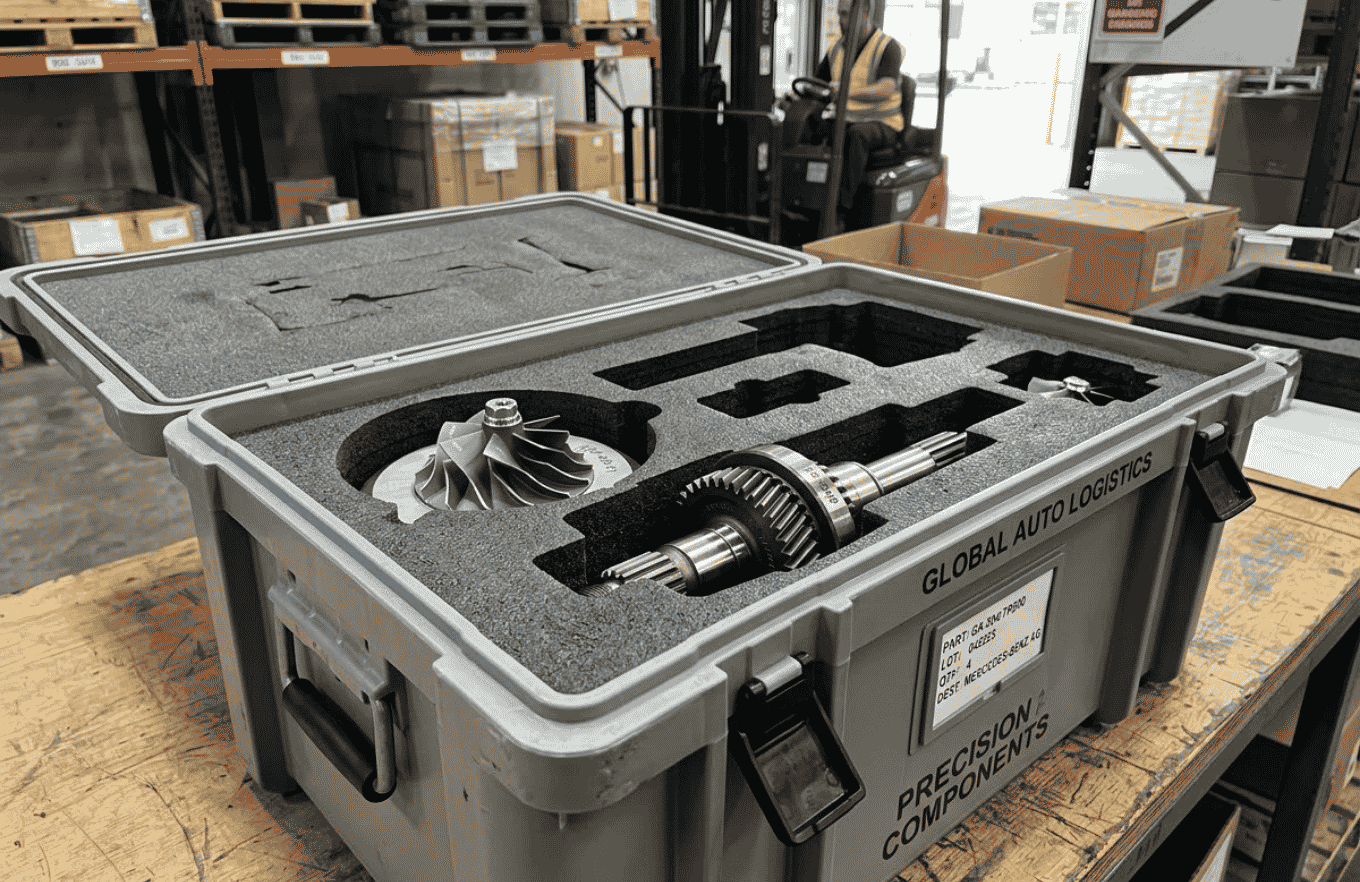
Sustainability is becoming an increasingly important consideration for industrial packaging teams. Recycled Foam can help businesses incorporate material recovery into their packaging strategies while maintaining practical protective performance.
However, recycled content should not be selected solely because it sounds environmentally responsible. The material must still be suitable for the intended application. Businesses should evaluate cushioning performance, consistency, durability, and processing requirements before making a purchasing decision.
The right balance can help companies reduce unnecessary material consumption while supporting more responsible packaging practices. Furthermore, using suitable Recycled Foam solutions can complement broader efforts to reduce packaging waste and improve resource efficiency.
Before placing a large industrial order, procurement teams should ask several practical questions:
● What density and thickness options are available?
● How is product consistency monitored during manufacturing?
● Can the foam be customized for specific packaging dimensions?
● How does the material perform under compression and impact?
● Is recycled content available for suitable applications?
● Can the supplier provide samples for performance testing?
● What quality controls are used during production?
These questions can reveal whether a supplier is focused solely on selling material or genuinely understands industrial packaging requirements.
Packaging failures can become expensive when products move across long supply chains. A damaged component may result in replacement costs, production delays, customer dissatisfaction, and additional transportation expenses.
For companies serving the USA, consistent foam quality can help support dependable packaging processes across repeated shipments. In Europe, where sustainability and efficient resource use are increasingly important purchasing considerations, businesses may also evaluate material efficiency and recycled-content options.
Samad Foam serves international markets and understands the importance of dependable material quality for businesses operating across different regions. Most importantly, selecting a capable supplier gives manufacturers greater confidence that their packaging system will perform consistently.

Price should certainly be considered, but it should not be the only deciding factor. The cheapest foam may become expensive if it leads to damaged products, excessive material usage, or inconsistent packaging performance.
A better purchasing decision considers:
● Material performance: Does the foam provide adequate cushioning and compression resistance?
● Consistency: Can the supplier maintain reliable specifications across different batches?
● Customization: Can the material be adapted to the product and packaging design?
● Sustainability: Are suitable recycled-content options available?
● Technical support: Can the supplier help select the appropriate foam for the application?
Evaluating these factors creates a more complete picture of supplier value. Samad Foam combines material expertise with application-focused solutions to help businesses make informed packaging decisions.
Industry-standard packaging is ultimately about protecting products reliably while controlling cost, material usage, and operational risk. A quality supplier should provide consistent material properties, suitable cushioning performance, customization options, and dependable production standards.
Businesses should never judge foam quality by appearance or price alone. Testing, specifications, manufacturing consistency, and application suitability all deserve attention. By evaluating these areas carefully, companies can build packaging systems that offer stronger protection and greater reliability throughout the supply chain.
Need reliable foam solutions for demanding industrial packaging? Contact Samad Foam today for customized materials tailored to your product protection needs.
Businesses can evaluate density, thickness, compression behavior, impact protection, dimensional stability, and environmental resistance through appropriate product and application testing.
Yes, Recycled Foam can be suitable for selected industrial packaging applications when its performance characteristics match the product's cushioning and protection requirements.
Consider material consistency, customization capabilities, quality controls, technical support, sustainability options, production capacity, and the supplier's ability to meet your specific packaging requirements.
.svg)

.svg)