The foam industry is evolving rapidly as sustainability and performance expectations continue to rise. Closed-Cell Foam has long been valued for its durability, lightweight structure, and excellent insulation properties. Now, with the global push toward circular manufacturing, Recycled Foam solutions are taking center stage. Businesses are looking for materials that provide strong protection while reducing environmental impact.
In 2026, manufacturers across the USA and other global markets are exploring innovative ways to integrate recycled materials without compromising performance. Companies like Samad Foam are actively developing solutions that combine advanced Closed-Cell Foam technology with sustainable practices. As industries shift toward responsible production, recycled material innovation is becoming more than a trend. It is quickly turning into a strategic advantage for packaging, automotive, and construction sectors seeking efficient and environmentally conscious materials.
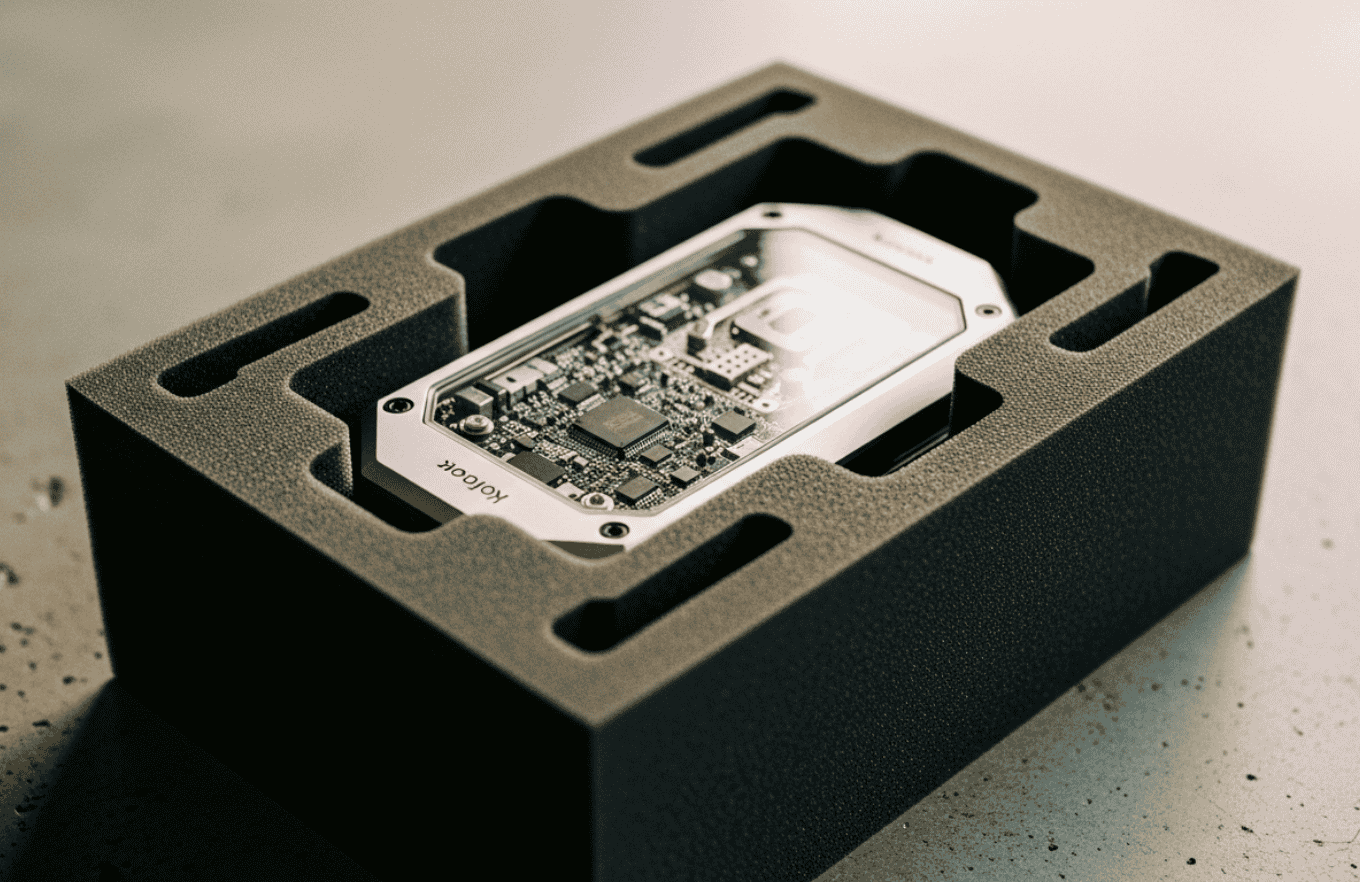
Closed-Cell Foam is a unique material designed with tightly sealed cells that prevent air and moisture from passing through. This structure gives the foam impressive durability, insulation, and shock absorption capabilities. Because of these characteristics, it is widely used across multiple industries where product protection and long-term reliability are essential.
Unlike open-cell foam materials, Closed-Cell Foam maintains its structural strength even in demanding environments. It resists water absorption, provides thermal insulation, and supports lightweight design for packaging and industrial components.
Some key advantages driving its popularity include:
• Superior shock absorption for delicate equipment
• Lightweight construction that reduces shipping costs
• High resistance to moisture and chemicals
• Long-lasting durability in demanding industrial environments
Manufacturers increasingly rely on Samad Foam to supply high-quality foam solutions that meet international standards and deliver consistent performance.
Sustainability has become a defining factor in modern manufacturing. Governments, corporations, and consumers are demanding materials that reduce environmental impact while maintaining functionality. This is where Recycled Foam is changing the game.
Through advanced recycling technologies, foam waste can now be processed, reformed, and integrated into new foam materials. The result is a product that retains the protective benefits of Closed-Cell Foam while supporting eco-friendly production practices.
Industries adopting Recycled Foam solutions benefit in several ways:
• Reduced raw material consumption
• Lower manufacturing waste
• Improved environmental compliance
• Stronger brand reputation for sustainability
Companies like Samad Foam are actively working toward incorporating recycled materials into foam production, helping manufacturers align with global sustainability goals.
Innovation in the foam industry is accelerating as manufacturers focus on performance and environmental responsibility. Several key developments are shaping the future of Closed-Cell Foam materials.
One significant trend is the advancement of recycling technology. Modern processes allow foam waste to be converted into high-performance Recycled Foam, maintaining durability while reducing landfill impact.
Another important development is the use of lightweight engineered structures. New formulations of Closed-Cell Foam allow manufacturers to maintain strength while reducing material weight. This leads to improved shipping efficiency and lower transportation emissions.
Digital manufacturing and precision cutting technologies are also transforming the foam sector. These innovations enable manufacturers to produce custom foam shapes for specialized industries such as electronics, automotive parts, and medical equipment packaging.
As companies across Europe continue to adopt sustainability-focused manufacturing models, foam producers like Samad Foam are expanding innovation efforts to meet these evolving demands.

The integration of Recycled Foam into industrial manufacturing is unlocking new opportunities across multiple sectors. Foam materials are no longer limited to traditional packaging uses.
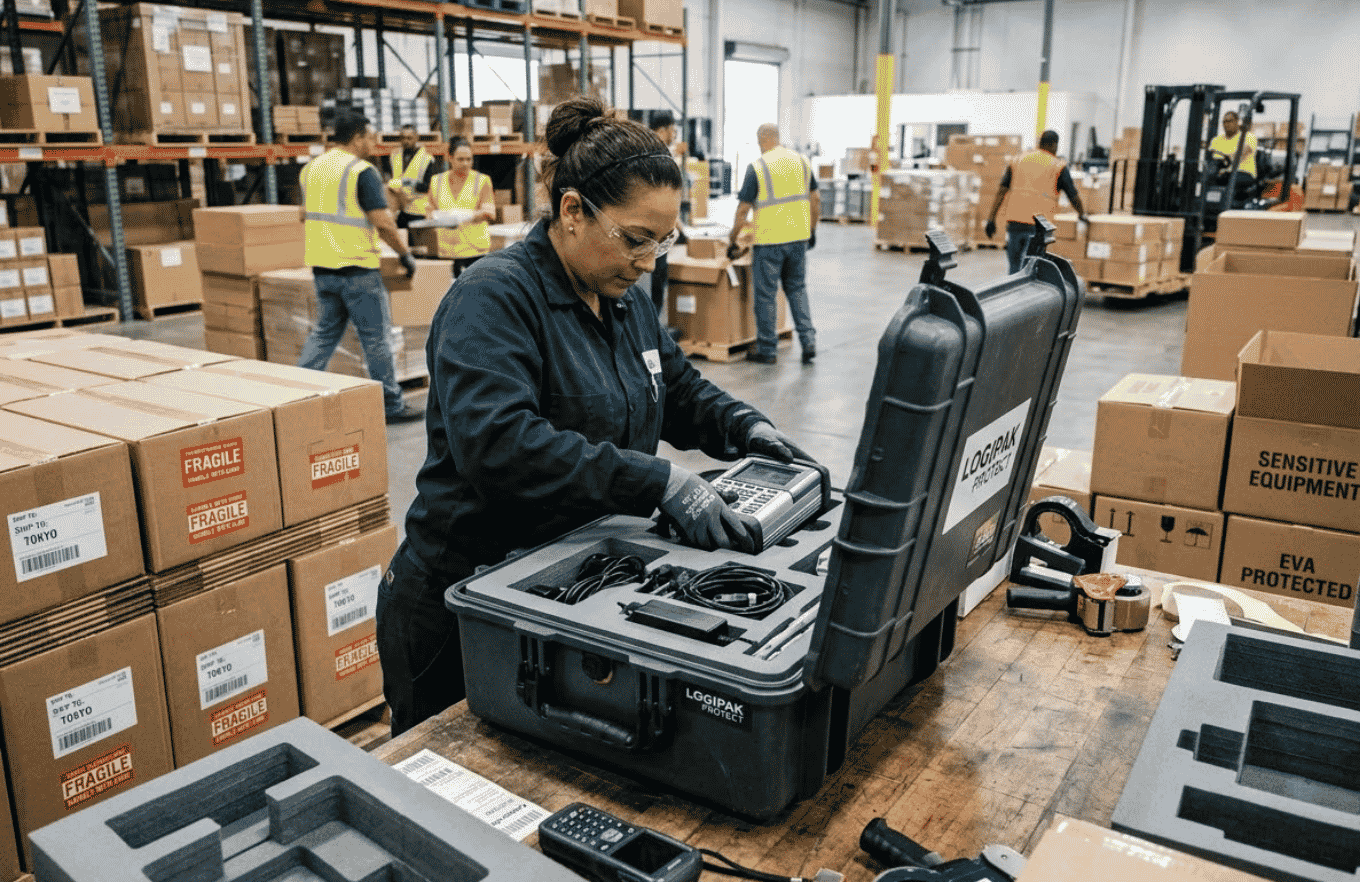
In the electronics industry, Closed-Cell Foam protects fragile devices during long-distance transportation. Recycled material integration ensures the same level of cushioning while supporting environmentally responsible packaging solutions.
The automotive sector is also benefiting from recycled foam technology. Lightweight Closed-Cell Foam components help reduce vehicle weight while maintaining safety and insulation standards.
Construction and infrastructure industries have also begun incorporating foam materials for insulation and vibration control. These applications benefit from the durability of Closed-Cell Foam while reducing the environmental footprint through recycled content.
Manufacturers sourcing materials from Samad Foam gain access to reliable foam products designed for both performance and sustainability.
The shift toward Recycled Foam is not only environmentally responsible but also economically strategic. Companies that adopt sustainable materials often gain a competitive advantage in global markets.
Using Closed-Cell Foam made with recycled components can help businesses meet regulatory standards, improve brand credibility, and reduce operational waste.
There are several long-term benefits for manufacturers:
• Reduced material waste and production costs
• Improved compliance with environmental regulations
• Stronger brand image in sustainability-driven markets
• Enhanced supply chain efficiency
Forward-thinking manufacturers increasingly partner with reliable foam producers like Samad Foam to ensure consistent quality and responsible production practices.

Think of modern Closed-Cell Foam as the quiet hero of industrial innovation. It cushions delicate technology, insulates buildings, protects automotive components, and now supports sustainability through Recycled Foam technology. The smarter the foam becomes, the stronger the industries grow.
Contact Samad Foam today to discover innovative Closed-Cell Foam solutions designed for sustainable performance and global industry demands.
The foam industry is entering an exciting new phase where performance and sustainability go hand in hand. Closed-Cell Foam continues to play a critical role in industrial protection, insulation, and packaging, while Recycled Foam innovations are transforming how manufacturers approach environmental responsibility.
As recycling technology advances and global demand for sustainable materials increases, foam producers are adapting quickly to meet these expectations. Companies that invest in eco-conscious materials today are positioning themselves for long-term success.
With its commitment to innovation and quality, Samad Foam is helping industries transition toward smarter, more sustainable foam solutions that serve both performance needs and environmental goals.
Closed-Cell Foam provides excellent shock absorption, moisture resistance, and structural durability, making it ideal for protecting fragile industrial products during transportation.
Recycled Foam reduces material waste and conserves resources by reprocessing foam scraps into usable materials for new industrial applications.
Yes, modern production technologies allow Recycled Foam to maintain the durability, insulation, and cushioning performance required for demanding industrial uses.
.svg)

.svg)