.png)
Materials shape the performance of countless products we use daily, from footwear and sports flooring to industrial packaging and protective equipment. One comparison that often appears in manufacturing conversations is EVA foam versus rubber materials. Both offer flexibility and cushioning, yet their structural behavior, durability, and cost efficiency differ significantly.
Within the first stage of material selection, businesses must evaluate how EVA foam performs compared with rubber in real-world applications. From lightweight EVA mats used in gyms to industrial shock-absorbing inserts, EVA foam continues to gain popularity because of its balance of comfort, resilience, and cost-effectiveness. Manufacturers such as Samad Foam continue refining foam technologies to meet modern industry standards across Europe, delivering high-quality solutions for diverse commercial applications.
EVA foam, short for ethylene-vinyl acetate foam, is a closed-cell polymer known for its softness, flexibility, and lightweight nature. The microscopic air pockets inside EVA foam create cushioning and shock absorption properties that make it ideal for impact protection and comfort-focused applications.
This cellular structure allows EVA foam to compress under pressure and return to its original shape quickly. Because of this resilience, products such as EVA mats provide consistent support for extended use. Manufacturers, including Samad Foam, focus on optimizing density and elasticity to produce foam sheets that meet strict quality standards in global markets.
EVA foam offers a unique balance of properties that combine comfort with durability. It is lightweight, flexible, and resistant to water and chemicals. These qualities make it suitable for sports equipment, packaging inserts, flooring solutions, and protective gear.
Another major advantage of EVA foam is its ability to absorb impact without adding excessive weight. This makes it ideal for applications where portability and safety matter. EVA mats designed with advanced foam structures can withstand heavy foot traffic while maintaining cushioning performance.

Rubber materials typically come from natural rubber or synthetic polymers such as neoprene or styrene-butadiene rubber. Rubber is known for its elasticity, toughness, and resistance to abrasion. These properties make it a preferred choice for heavy-duty applications such as tires, industrial seals, and vibration dampeners.
Rubber can handle higher stress loads compared with EVA foam, especially in environments that require strong mechanical resistance. However, this strength often comes with higher density and increased product weight.
Rubber performs exceptionally well in extreme environments. It can tolerate higher temperatures, resist abrasion, and maintain structural integrity under repeated mechanical stress.
Despite these advantages, rubber materials may lack the lightweight comfort and cushioning performance offered by EVA foam. This is why manufacturers often choose EVA foam for comfort-oriented applications such as EVA mats and ergonomic flooring.
One of the most noticeable differences between EVA foam and rubber is weight. EVA foam is significantly lighter, which improves product portability and user comfort. Rubber materials tend to be heavier due to their dense molecular structure.
This lightweight advantage allows EVA mats to remain comfortable during extended use while still delivering reliable cushioning. Companies like Samad Foam continue improving EVA foam density control to achieve an optimal balance between strength and flexibility.
When it comes to impact absorption, EVA foam excels. Its closed-cell structure distributes pressure evenly and reduces strain on joints and surfaces. This makes it ideal for sports flooring, protective padding, and ergonomic products.
Rubber also absorbs shocks but generally provides firmer resistance rather than soft cushioning. For applications requiring comfort and energy return, EVA foam often performs more effectively.
Rubber is traditionally known for its durability in high-stress environments. It can resist abrasion and heavy mechanical loads better than many foam materials.
However, EVA foam has improved significantly in durability thanks to advanced manufacturing processes. Modern EVA foam used in EVA mats can withstand continuous compression and repeated use without losing structural integrity.
Samad Foam produces high-performance EVA foam products designed to meet international durability standards in demanding industries.

EVA foam demonstrates strong resistance to water absorption due to its closed-cell structure. This property helps prevent moisture damage and mold growth in flooring and packaging applications.
Rubber also offers chemical resistance but may degrade when exposed to certain oils or solvents, depending on the material composition.
Because of its moisture resistance, EVA foam remains a reliable material for gyms, play areas, and outdoor surfaces where EVA mats must perform consistently.
EVA foam dominates comfort-based applications such as yoga mats, gym flooring, protective sports gear, and footwear soles. EVA mats provide cushioning that protects joints during exercise while offering a stable surface for movement.
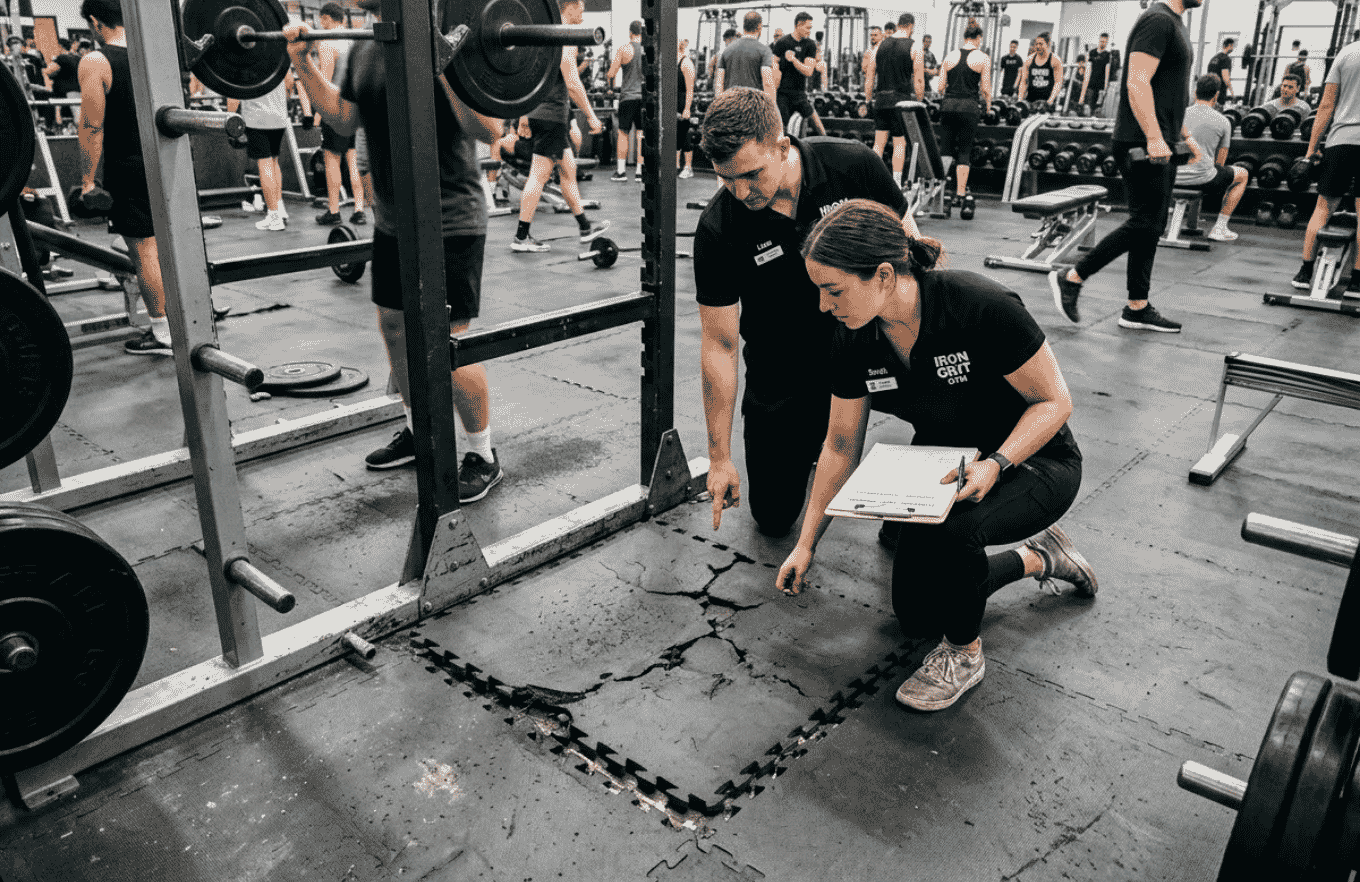
Rubber mats also exist in gym environments, but they are usually heavier and designed for heavy lifting areas where durability matters more than cushioning.

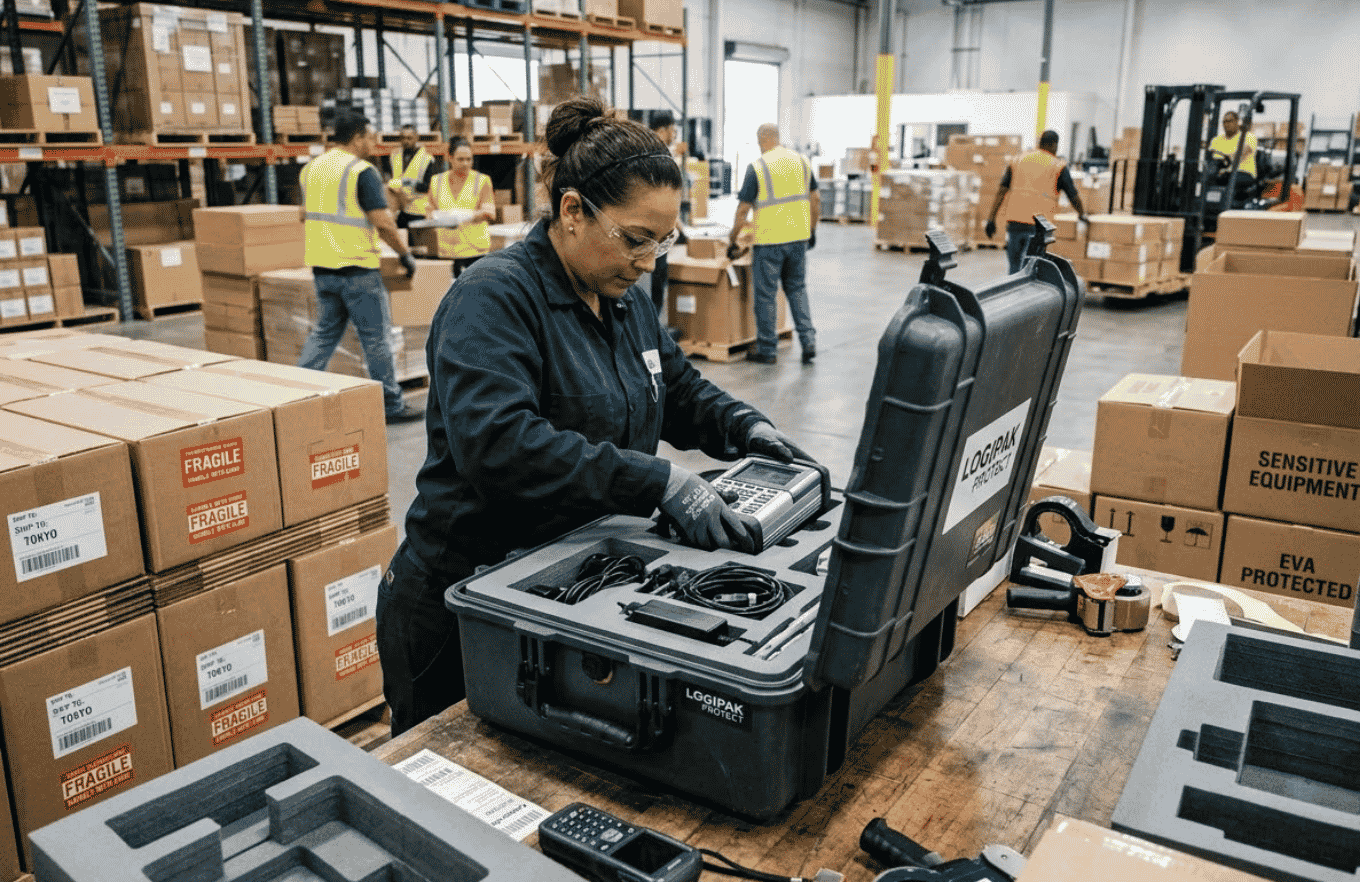
In packaging, EVA foam protects fragile goods from shocks and vibrations during transportation. Its lightweight nature reduces shipping costs while maintaining high protective performance.
Rubber materials are rarely used for protective packaging because of their weight and higher manufacturing costs. Manufacturers like Samad Foam supply EVA foam packaging solutions used by companies across the USA that require reliable product protection during shipping.
EVA foam is easier to mold, cut, and shape compared with rubber materials. This allows manufacturers to create customized products quickly and efficiently.
The versatility of EVA foam supports applications ranging from EVA mats and footwear components to insulation panels and packaging inserts.
Lower production costs and reduced shipping weight make EVA foam a cost-efficient choice for many industries. Businesses can produce durable products without significantly increasing material expenses.
Samad Foam continues expanding its manufacturing capabilities to meet growing demand for EVA foam products across international markets, offering consistent quality and performance.
Material innovation continues to reshape the foam and polymer industries. Researchers are developing improved EVA foam formulations that increase resilience, sustainability, and temperature resistance.
These advancements ensure EVA foam remains competitive with traditional rubber materials across evolving industrial applications.
Global demand for lightweight and sustainable materials continues to grow. EVA foam supports modern manufacturing trends that prioritize efficiency and environmental responsibility.
Companies such as Samad Foam play a key role in advancing EVA foam technologies that meet international requirements while supporting modern product design.
Contact Samad Foam today to explore high-performance EVA foam solutions designed for comfort, durability, and modern industrial applications worldwide.
Selecting between EVA foam and rubber depends largely on application requirements. Rubber remains a strong choice for heavy-duty environments that require abrasion resistance and structural toughness.
However, EVA foam offers significant advantages in weight, comfort, shock absorption, and design flexibility. From EVA mats used in fitness spaces to protective packaging inserts and footwear components, EVA foam provides a balanced combination of performance and cost efficiency.
With experienced manufacturers like Samad Foam supplying innovative EVA foam materials internationally, businesses gain access to advanced solutions that enhance product performance and long-term reliability.
EVA foam is lightweight and flexible with excellent cushioning properties, while rubber is denser and stronger, making it suitable for heavy-duty industrial environments.
EVA mats provide better comfort, shock absorption, and lighter weight compared with rubber mats, making them ideal for fitness, yoga, and home flooring applications.
EVA foam performs well in packaging, footwear, flooring, and protective equipment because it combines durability, flexibility, and lightweight construction.
.svg)

.svg)