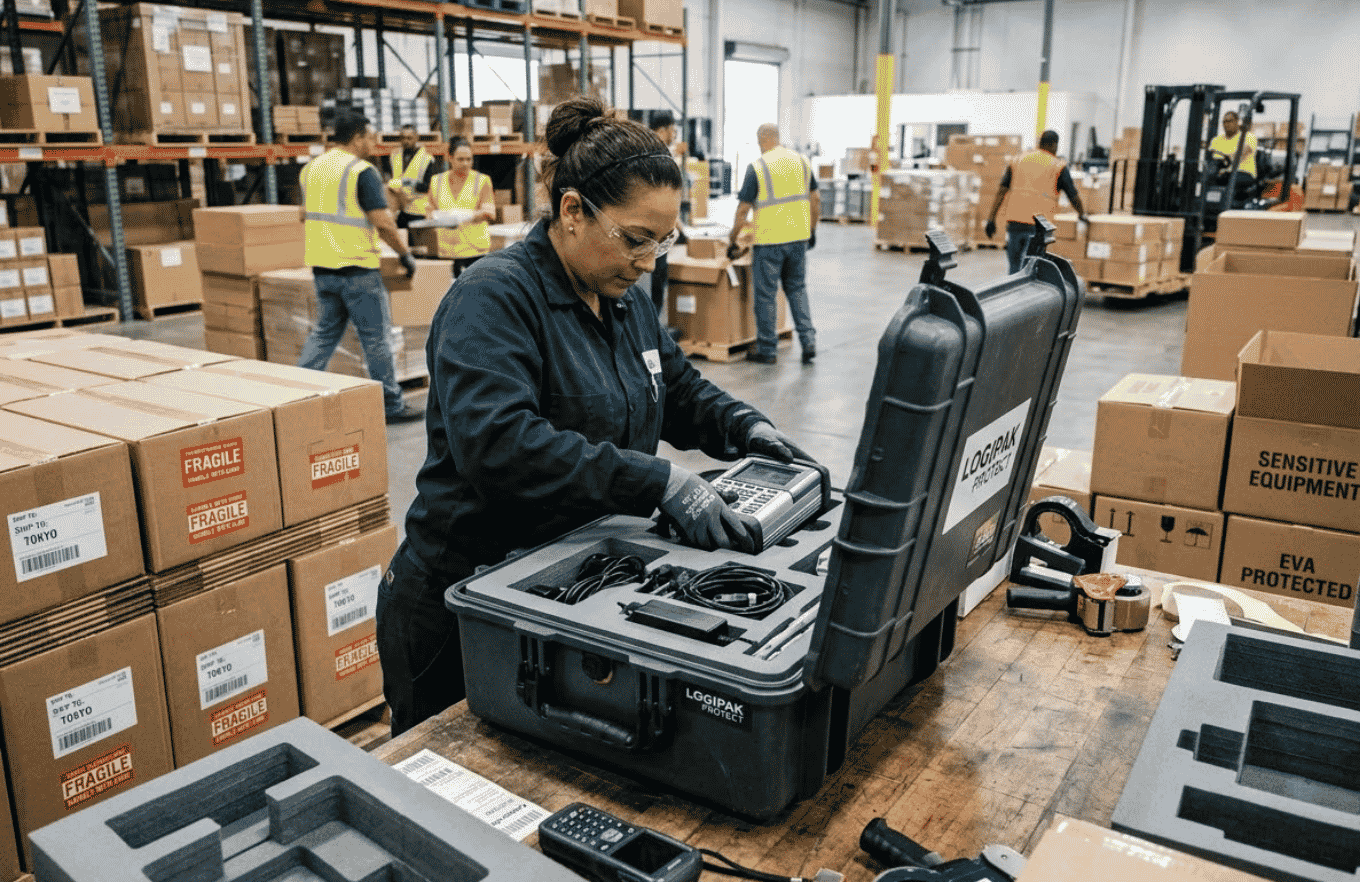
Packaging plays a critical role in protecting products as they travel through warehouses, transport networks, and distribution centers. Yet many businesses still struggle with damaged shipments, crushed boxes, and costly returns caused by weak protective materials. This is where LDPE foam steps in as a reliable solution. Its cushioning properties, lightweight structure, and shock-absorbing capabilities make it one of the most trusted materials for modern protective packaging.
Within the first stages of shipping and logistics, LDPE foam helps prevent impact damage, vibration stress, and moisture exposure. Businesses that adopt advanced foam packaging solutions often experience fewer product losses and stronger customer satisfaction. When paired with TPE foam, packaging becomes even more durable and flexible. Innovative manufacturers such as Samad Foam provide high-quality foam solutions used by companies across Europe, supporting safer packaging systems and more efficient supply chains.

Many packaging failures happen because traditional materials cannot handle the physical stress of transportation. Cardboard inserts, thin plastic wraps, or poorly designed cushioning often fail under pressure, leading to broken products or damaged components.
The financial impact goes far beyond the cost of replacing damaged goods. Businesses face customer dissatisfaction, negative reviews, shipping delays, and wasted logistics resources. In high-volume industries such as electronics, automotive parts, and medical equipment, packaging failures can create serious operational setbacks.
High-performance materials such as LDPE foam offer a stronger alternative. Their resilient structure distributes pressure evenly, preventing concentrated impact points that typically cause damage during transit.
Products encounter numerous environmental stresses during shipping. Vibration from transport vehicles, stacking pressure in warehouses, and sudden impacts during handling all contribute to packaging failure.
Traditional cushioning materials often compress permanently after repeated stress. In contrast, LDPE foam maintains its shape and protective ability even after multiple impacts. This durability ensures that sensitive goods remain secure from origin to destination.
Manufacturers such as Samad Foam continuously refine foam production techniques to ensure that LDPE foam maintains structural consistency across different packaging environments.
Impact damage is one of the most common packaging failures in global shipping. Fragile products such as electronics, glassware, and medical devices require materials capable of absorbing sudden shocks.
LDPE foam acts as a protective barrier that disperses impact energy across its closed-cell structure. This prevents concentrated pressure points that typically lead to cracks or breakage.
When combined with TPE foam, the cushioning system becomes even more adaptive. TPE foam introduces enhanced flexibility and resilience, allowing packaging structures to absorb repeated impacts without losing shape.
Products traveling long distances often experience continuous vibrations from trucks, cargo containers, or aircraft transport. Over time, these vibrations can cause internal components to loosen or become damaged.
LDPE foam minimizes vibration transmission by creating a stable cushioning layer around the product. This reduces movement inside the package and protects delicate parts from mechanical stress.
Samad Foam develops LDPE foam packaging solutions that maintain consistent vibration resistance, ensuring reliable protection for shipments traveling across the USA.
Another frequent packaging issue occurs when stacked boxes compress under heavy loads in storage facilities. Weak protective inserts collapse under pressure, causing product deformation or breakage.
LDPE foam provides superior compression resistance, allowing packaging structures to maintain shape even under significant weight. This makes it particularly valuable in warehouse environments where products may remain stacked for extended periods.
Product movement inside packaging is a major contributor to damage during transport. Without proper internal support, items shift inside boxes and collide with surrounding surfaces.
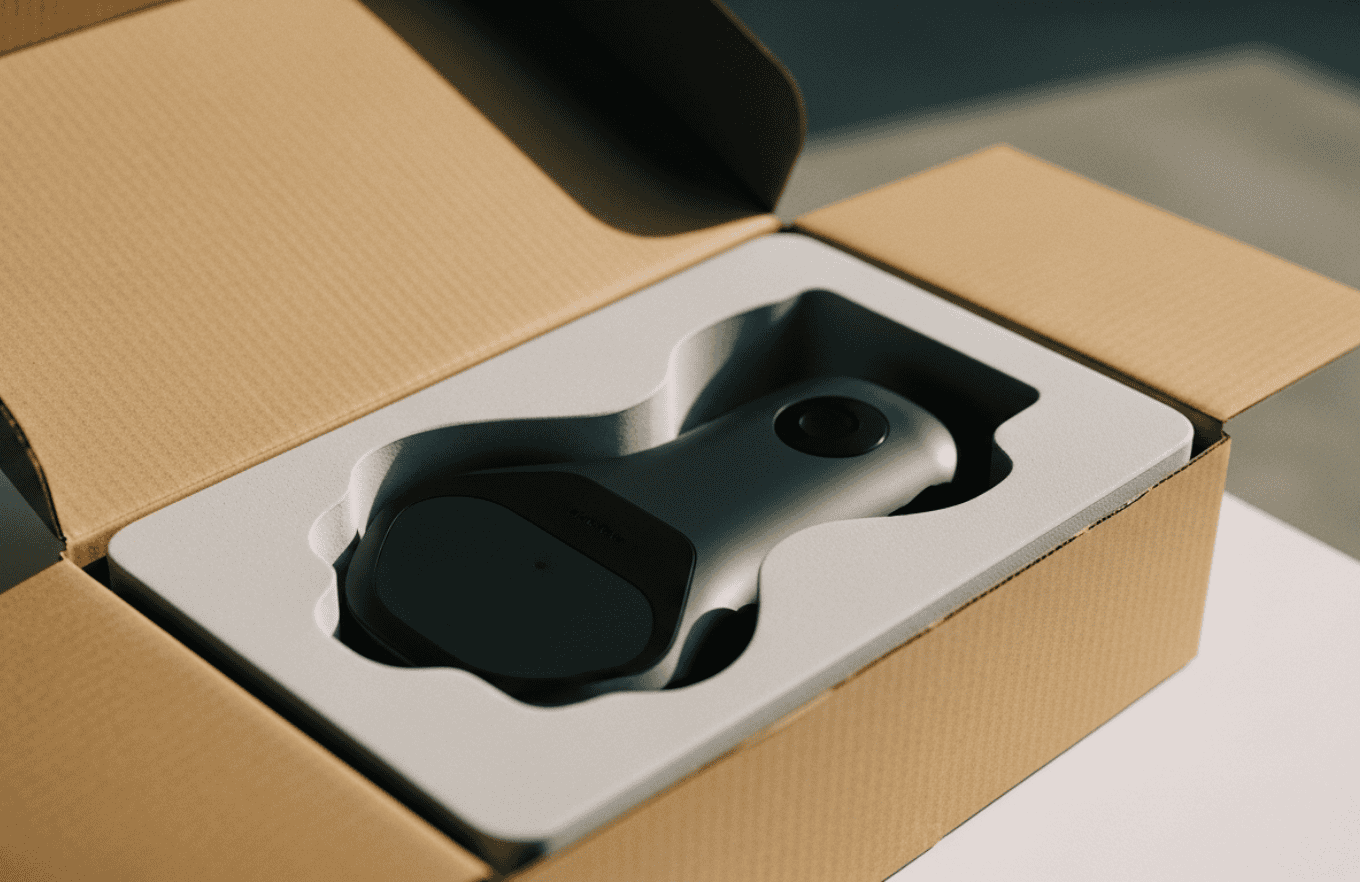
Custom-cut LDPE foam inserts create secure compartments that hold products firmly in place. These inserts reduce internal movement while providing cushioning against external impacts.
Samad Foam specializes in producing precision-cut LDPE foam packaging components that enhance product stability and reduce transportation risks.
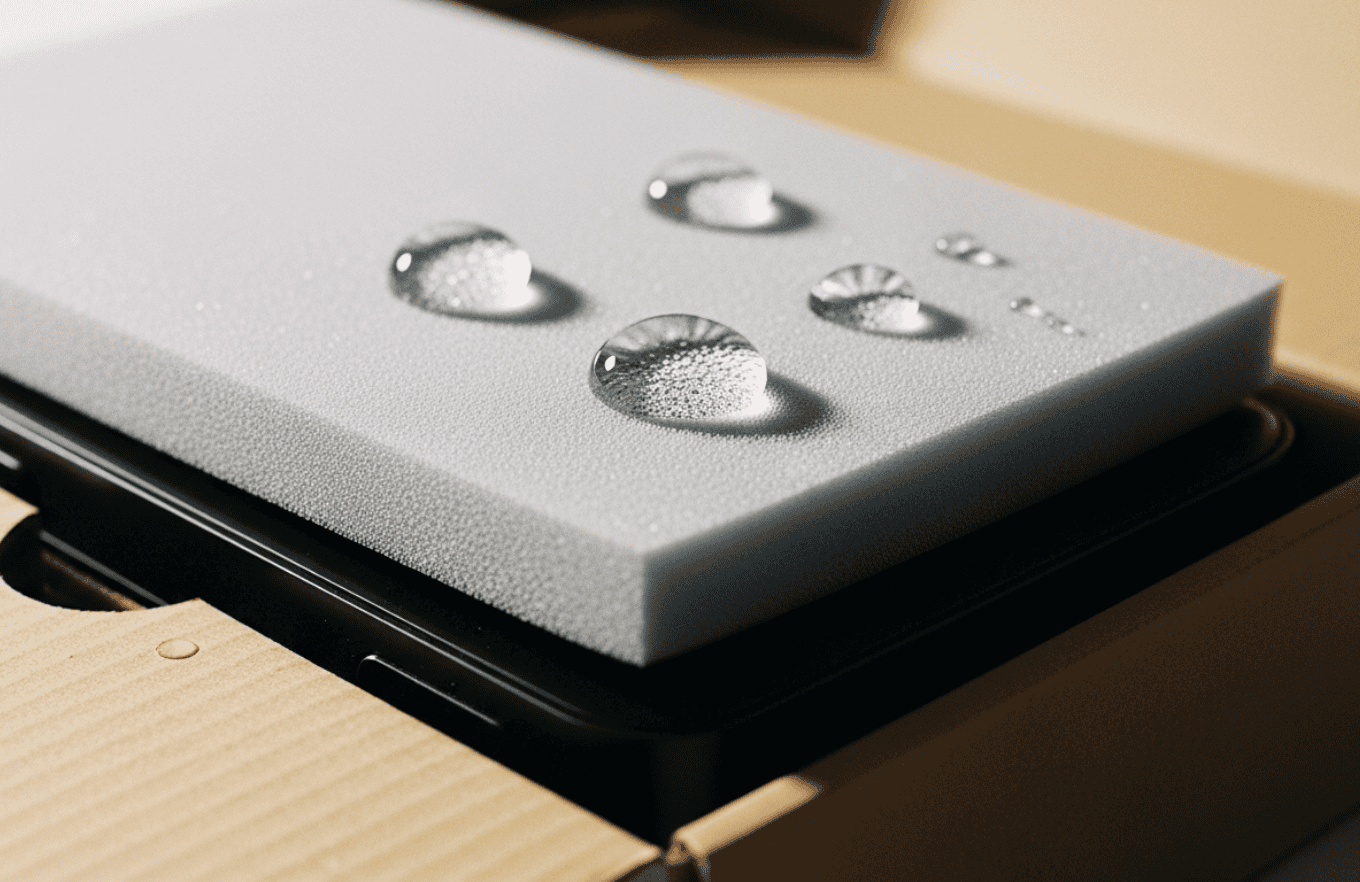
Moisture exposure can compromise packaging materials and damage sensitive products such as electronics or pharmaceuticals. Traditional paper-based materials absorb water and lose structural integrity.
LDPE foam offers excellent moisture resistance thanks to its closed-cell structure. This prevents water penetration and maintains protective performance even in humid conditions.
Shipping routes often expose packages to extreme temperature fluctuations. Materials that expand or weaken under temperature changes can lead to packaging failures.
LDPE foam maintains its structural properties across a wide temperature range. When used alongside TPE foam, packaging systems achieve additional flexibility and durability, ensuring reliable protection regardless of environmental conditions.
Samad Foam continues to supply durable LDPE foam materials designed to withstand challenging transport environments in international markets, including Europe.
Every product has unique packaging requirements. Standardized protective materials often fail to provide adequate support for irregular shapes or delicate components.
LDPE foam can be easily molded and cut into custom shapes that perfectly match product dimensions. This ensures optimal cushioning and eliminates unused space inside the package.
Customized LDPE foam packaging not only protects products but also improves logistics efficiency. Better packaging design reduces material waste and optimizes shipping space.
Samad Foam works closely with global clients to create packaging solutions that combine protective performance with operational efficiency.
Modern supply chains are under increasing pressure to reduce waste and improve sustainability. LDPE foam contributes to these goals by providing durable protection with minimal material usage.
Its lightweight structure allows companies to achieve strong cushioning while reducing packaging weight and transportation emissions.
Reusable foam packaging systems are becoming more common across industries. LDPE foam’s durability allows it to be reused multiple times, extending its lifecycle and reducing environmental impact.
By combining LDPE foam with innovative TPE foam materials, companies can design packaging solutions that balance environmental responsibility with superior product protection.
Packaging failures can disrupt supply chains, damage brand reputation, and create costly operational setbacks. As shipping environments become more demanding, businesses must adopt stronger and smarter packaging materials.
LDPE foam provides a proven solution to many common packaging problems. Its shock absorption, compression resistance, moisture protection, and design flexibility make it an essential component of modern protective packaging systems.
With experienced manufacturers like Samad Foam delivering advanced foam technologies internationally, companies can build more resilient supply chains and protect products with confidence.
Contact Samad Foam today to discover durable LDPE foam packaging solutions that protect products everywhere.
LDPE foam absorbs shocks, reduces vibrations, and stabilizes products inside packaging, preventing breakage during transportation.
LDPE foam provides superior cushioning, moisture resistance, and long-lasting durability compared with paper-based or thin plastic packaging materials.
Companies can create tailored inserts and protective layers using LDPE foam sheets to secure products and reduce movement inside packages.
.svg)

.svg)