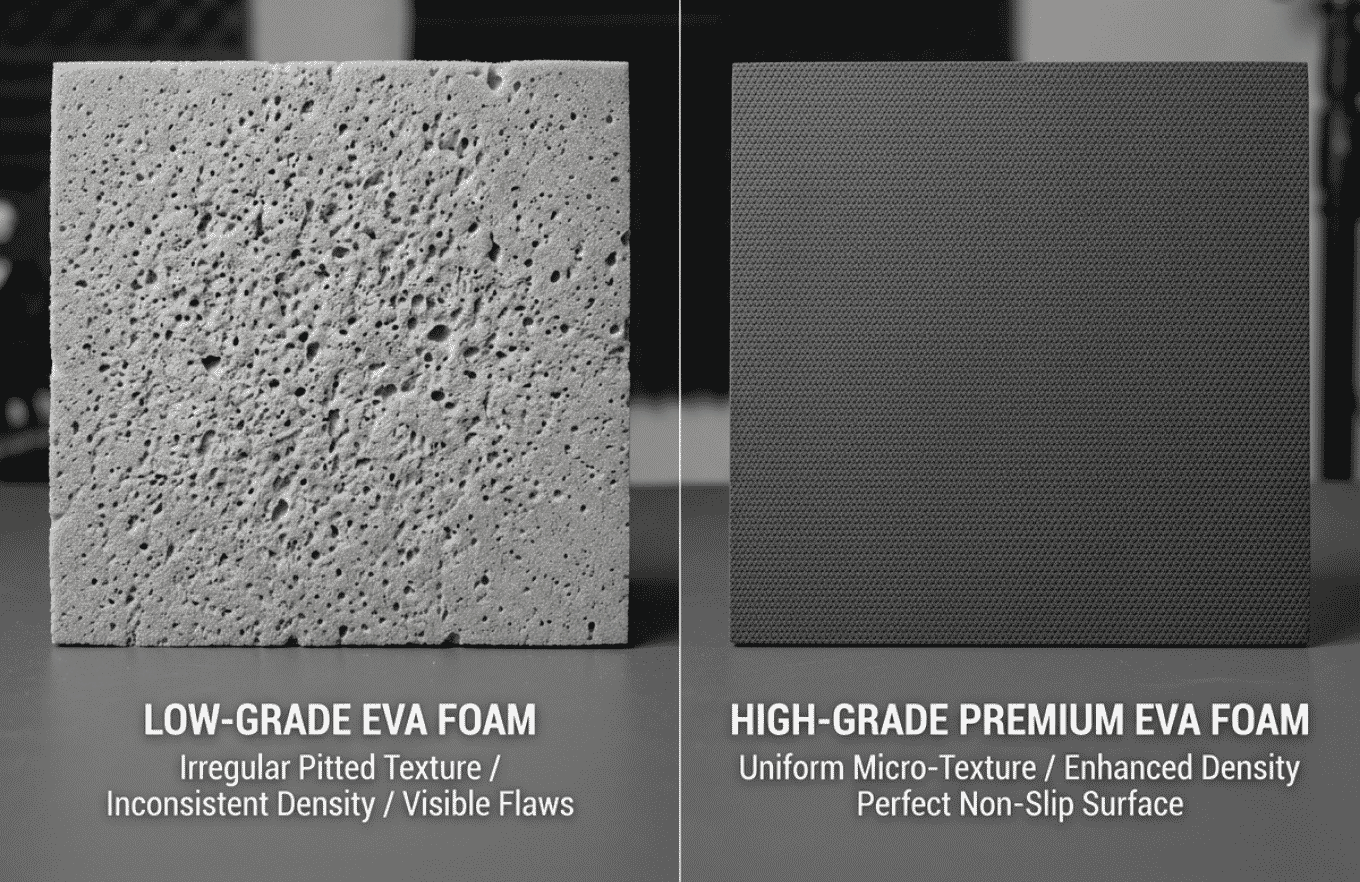
The demand for high-performance mats continues to grow across fitness, sports, industrial, and recreational markets. As competition increases, manufacturers are paying closer attention to the materials that directly influence product quality and customer satisfaction. Among these materials, EVA Foam Material remains one of the most preferred choices due to its cushioning properties, durability, flexibility, and versatility.
However, sourcing the right foam is not always as straightforward as it seems. Many businesses focus only on price and overlook critical performance factors that affect the final product. Within the first stages of product development, poor material selection can lead to quality issues, customer complaints, and increased production costs. Understanding common sourcing mistakes helps businesses make smarter decisions and achieve consistent results. Companies such as Samad Foam continue supporting global markets by providing reliable foam solutions that meet the evolving needs of modern mat manufacturing.
Every successful mat begins with quality raw materials. Whether producing exercise mats, children's play mats, anti-fatigue mats, or sports flooring, the material determines durability, comfort, and safety.
Poor-quality foam can negatively affect:
● Cushioning performance
● Surface appearance
● Product lifespan
● User comfort
● Brand reputation
For this reason, experienced Yoga Mat Manufacturers invest significant time evaluating suppliers and material specifications before placing large orders.
Choosing the wrong foam often appears cost-effective initially. However, manufacturers may later face higher expenses through product returns, warranty claims, and production inefficiencies.
Most importantly, sourcing decisions directly influence profitability and customer retention.
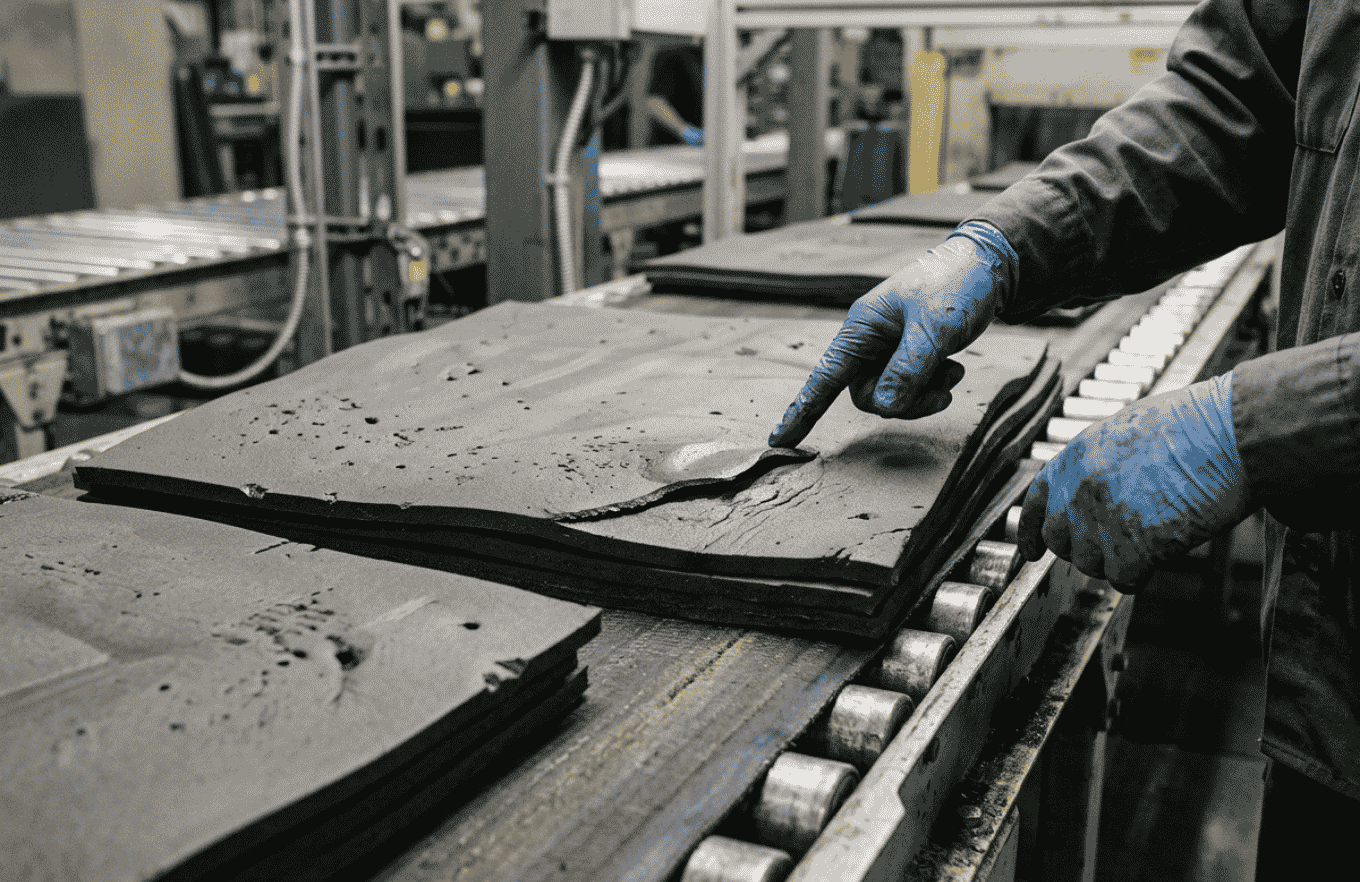
One of the most common mistakes is selecting suppliers based solely on pricing.
Low-cost materials may seem attractive during procurement, but they often lead to inconsistent density, reduced resilience, and poor performance. As a result, finished mats may wear out faster or fail to meet customer expectations.
Many successful Yoga Mat Manufacturers understand that material quality contributes more to long-term profitability than short-term savings.
Rather than focusing only on price, buyers should assess:
● Density consistency
● Compression recovery
● Durability ratings
● Manufacturing standards
● Supplier reliability
Samad Foam works closely with clients seeking balanced solutions that prioritize both quality and value.
Density significantly influences the feel and performance of finished mats.
If the foam is too soft, it may compress excessively during use. If it is too dense, comfort levels may decrease, and flexibility may be limited.
The right density depends on the intended application.
For example:
● Yoga mats require balanced cushioning
● Industrial mats need higher durability
● Sports mats require enhanced impact absorption
Manufacturers should always begin with customer expectations and intended usage before selecting foam specifications.
This approach helps avoid costly redesigns and production delays.
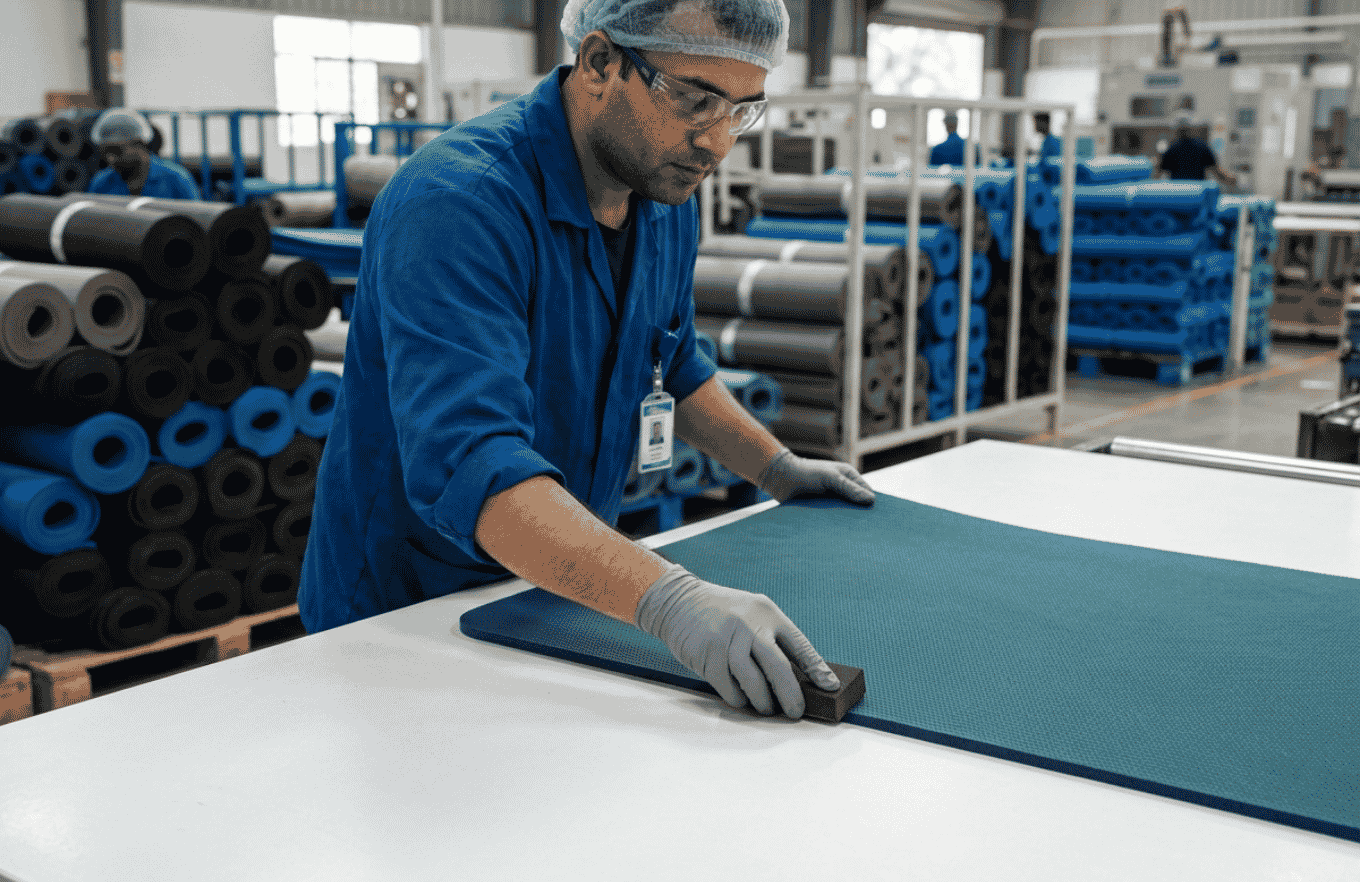
Consistency is often underestimated during sourcing.
Variations in thickness, density, or cell structure can create challenges throughout the manufacturing process.
Potential issues include:
● Uneven cutting
● Poor lamination results
● Surface defects
● Inconsistent product quality
Reliable suppliers implement strict quality control procedures to ensure uniform production standards.
Companies supplying international markets must maintain consistent manufacturing processes.
Samad Foam supports customers throughout the USA by providing dependable foam products that meet demanding performance requirements.
A material may appear visually identical while delivering vastly different performance results.
Durability testing should evaluate:
● Compression resistance
● Tear strength
● Flexibility retention
● Impact absorption
● Surface wear resistance
Without proper testing, manufacturers risk producing mats that deteriorate prematurely.
A quality foam product should maintain its characteristics after prolonged usage rather than performing well only during initial evaluations.
Manufacturing expertise often determines the reliability of supplied materials.
Experienced suppliers understand the technical requirements associated with various applications and can recommend solutions based on specific performance goals.
This knowledge helps manufacturers avoid costly trial-and-error processes.
Advantages include:
● Technical support
● Consistent product quality
● Faster problem resolution
● Better customization options
● Reliable production capacity
These factors contribute significantly to long-term business success.
Consumers increasingly prefer products manufactured with responsible practices.
Manufacturers that ignore sustainability trends may struggle to remain competitive in evolving markets.
Environmentally conscious sourcing helps businesses:
● Improve brand reputation
● Meet market expectations
● Support sustainability goals
● Appeal to eco-aware consumers
Many businesses throughout Europe now prioritize suppliers capable of supporting environmentally responsible manufacturing initiatives.
Forward-thinking sourcing decisions position manufacturers for future growth.
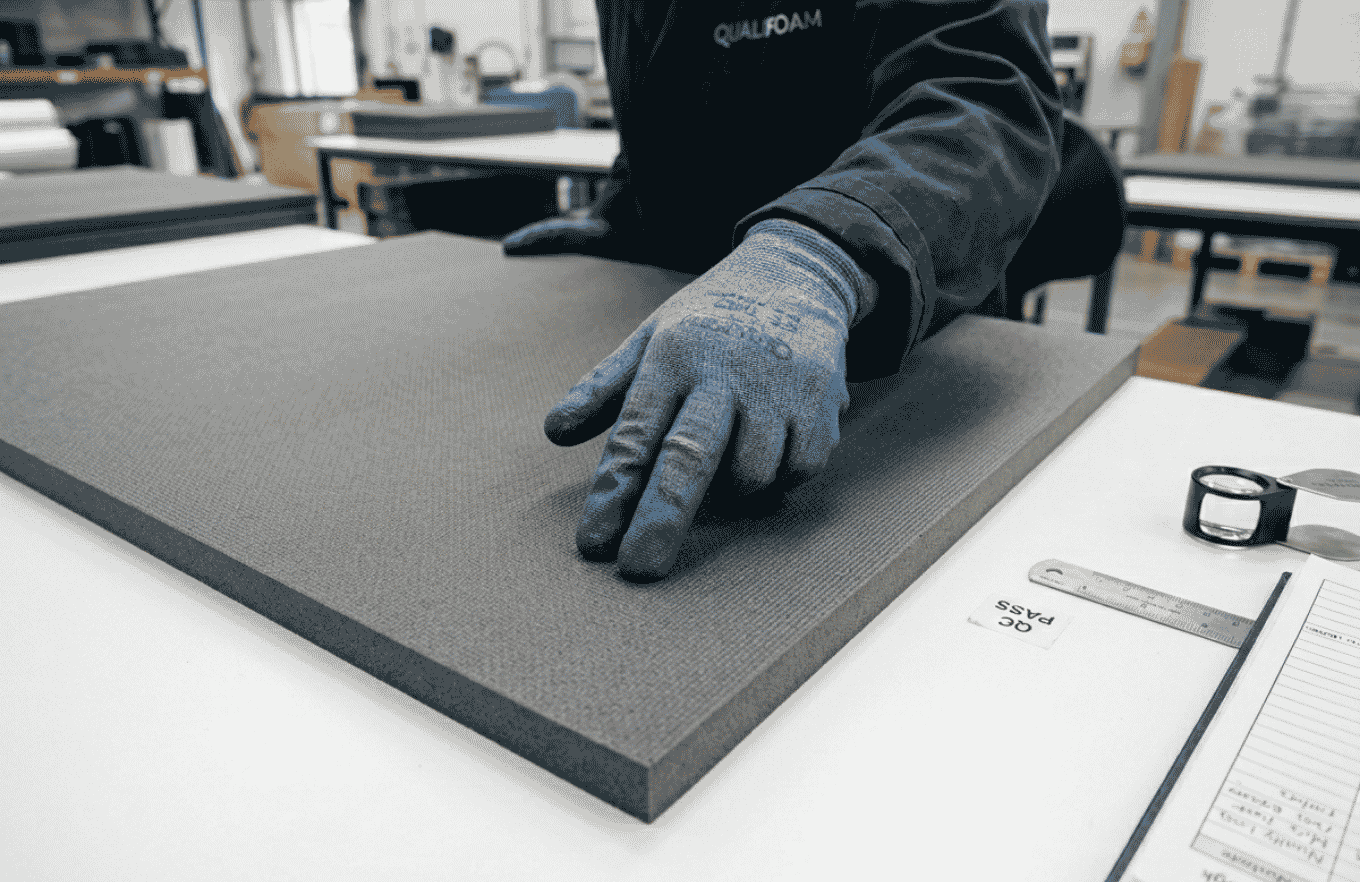
Another frequent mistake is placing large orders without evaluating samples.
Material testing provides valuable insights regarding:
● Comfort levels
● Durability performance
● Manufacturing compatibility
● Surface quality
● Product consistency
Testing reduces uncertainty and supports informed purchasing decisions.
Manufacturers should validate performance through real-world testing before moving into full-scale production.
This simple step often prevents costly sourcing mistakes.
How to Select the Right Foam Supplier?
Before choosing a supplier, manufacturers should evaluate several important factors.
Questions may include:
● What quality certifications are available?
● How consistent are production standards?
● What testing procedures are used?
● Can custom specifications be supported?
● What industries does the supplier serve?
These questions help identify suppliers capable of supporting long-term business growth.
Strong supplier relationships often create competitive advantages through improved product quality, innovation, and reliability.
Samad Foam continues serving customers across diverse industries by delivering dependable foam solutions tailored to evolving market needs. Furthermore, the company focuses on maintaining consistent quality standards that support manufacturers worldwide.
Selecting the right EVA Foam Material plays a critical role in the success of mat manufacturing operations. While pricing remains important, businesses should also evaluate density, consistency, durability, supplier expertise, sustainability, and testing capabilities. Small sourcing mistakes can lead to significant production challenges and customer dissatisfaction.
Manufacturers that prioritize quality-focused procurement strategies position themselves for stronger performance, greater customer trust, and long-term growth. As industry requirements continue evolving, experienced suppliers such as Samad Foam help businesses navigate sourcing decisions with confidence and reliability.
Contact Samad Foam today for customized foam solutions, expert guidance, consistent quality, and dependable manufacturing support tailored to your mat production requirements.
Manufacturers should evaluate density, durability, consistency, quality certifications, testing procedures, and supplier expertise before selecting EVA Foam Material.
Yoga Mat Manufacturers depend on consistent foam quality to ensure uniform comfort, reliable performance, smooth production processes, and long-lasting products.
Businesses can reduce sourcing risks by testing samples, reviewing supplier credentials, evaluating quality standards, and verifying manufacturing capabilities before ordering.
.svg)

.svg)