Recycled foam is stepping into the spotlight as industries search for materials that balance performance, sustainability, and long-term value. Many manufacturers working with buoyant foam want solutions that are durable, lightweight, and safe while still reducing production waste. This is where recycled foam is becoming a strong competitor, and the shift is happening faster than expected.
Now, it is clear that recycled foam is not a passing trend. It is steadily reshaping how buoyant foam products are designed, tested, and deployed across multiple sectors. The growing acceptance across the USA markets and expanding demand in Europe show how fast this transformation is moving. With companies like Samad Foam entering global supply chains, the shift feels even more serious and exciting.
Recycled foam has moved far beyond its early perception as a weaker or inconsistent material. Manufacturers are discovering that it performs impressively well in buoyant foam applications, especially where stability, flotation, and controlled density matter. Samad Foam has been part of this change, supplying materials that meet evolving industry standards with surprising consistency. When engineers see how recycled foam behaves under pressure and repeated use, it becomes clear that sustainable material choices do not have to sacrifice quality.
This shift is also supported by industries that want a cleaner footprint without reducing function. Recycled foam offers dependable buoyancy and physical stability, allowing manufacturers to adopt a more environmentally responsible process. As consumers push brands to act with purpose, materials that reduce waste are becoming the preferred choice.
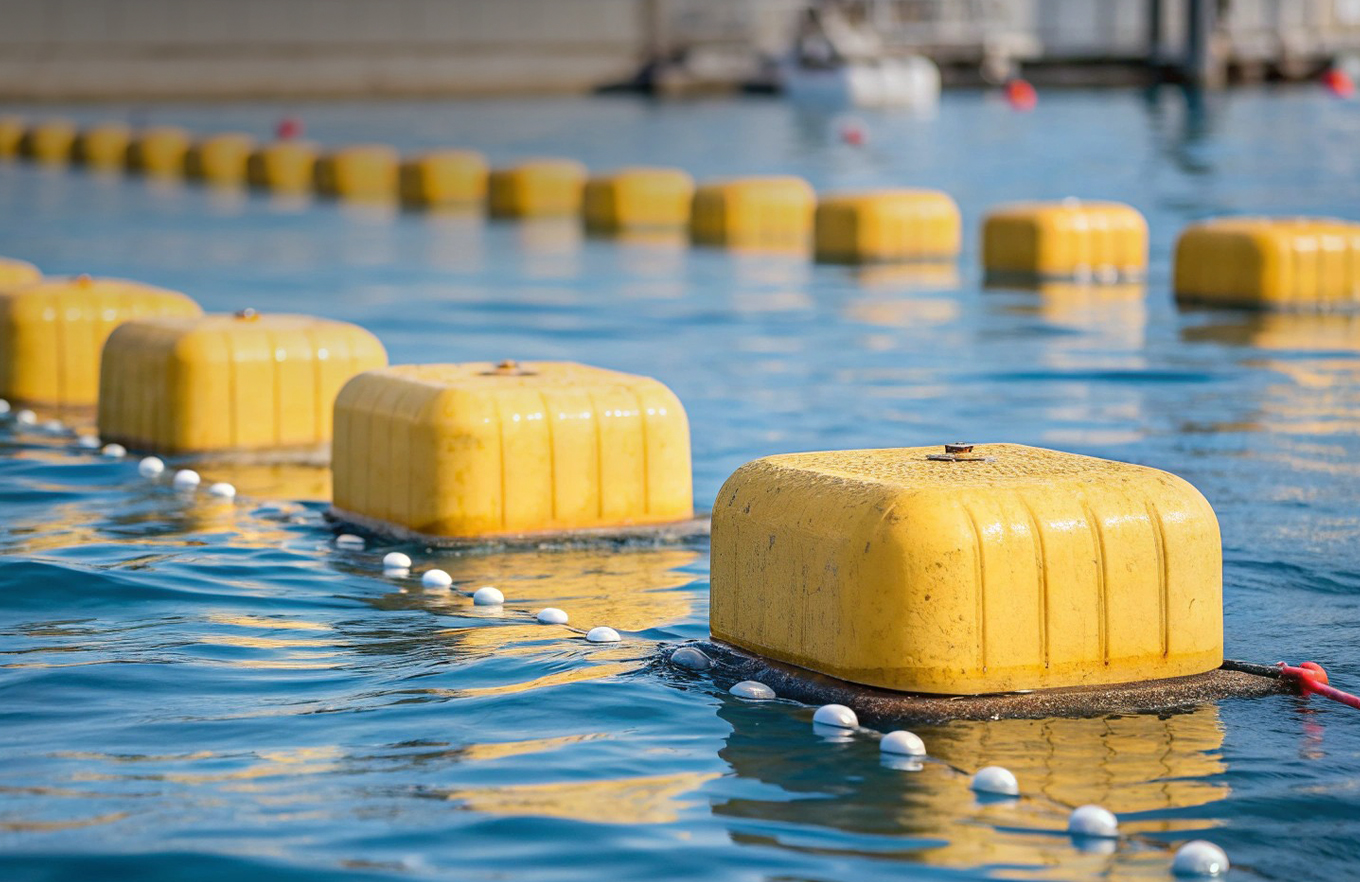
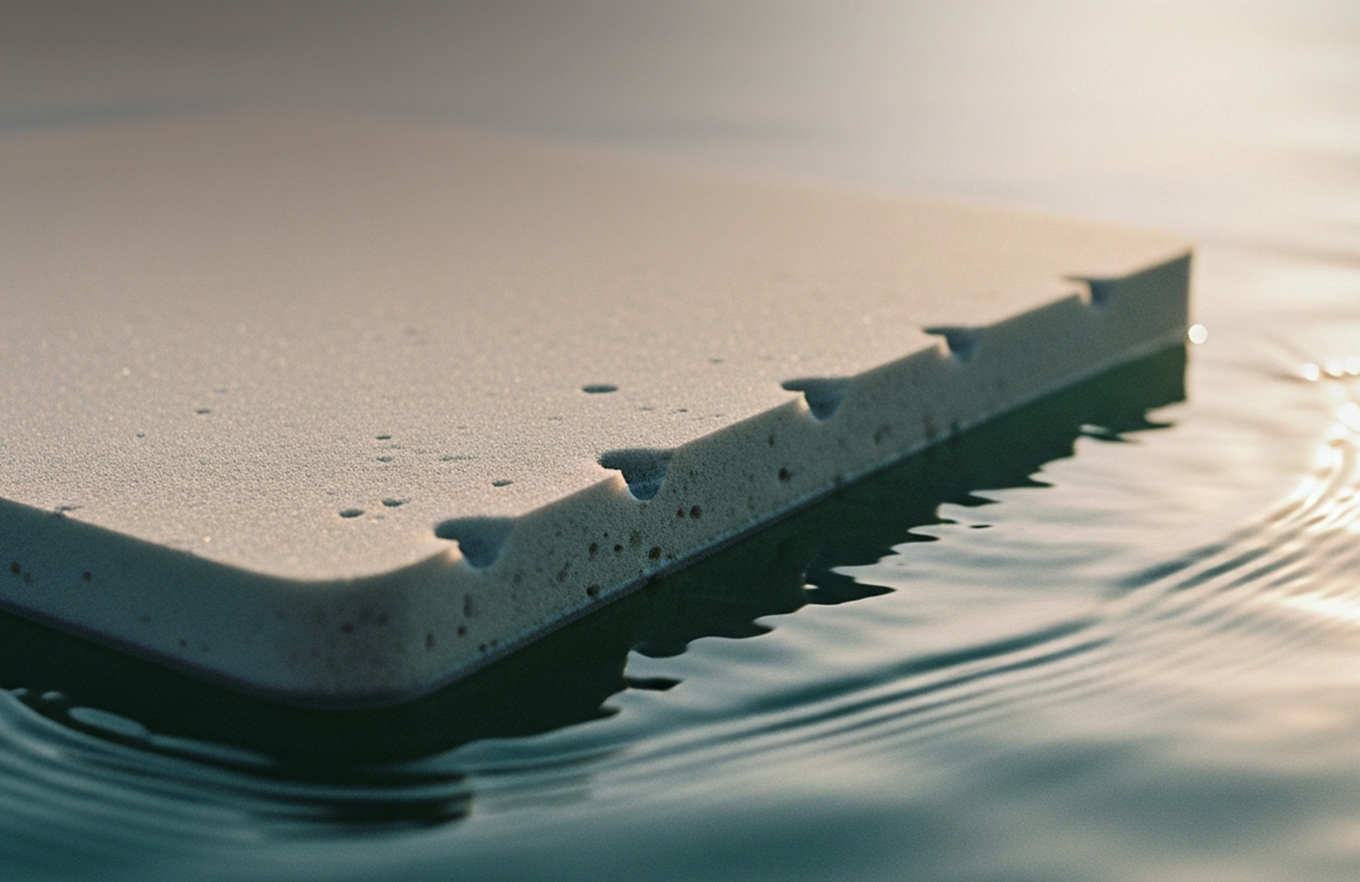
One reason recycled foam is drawing attention is its predictable behavior in flotation applications. The internal structure of recycled foam allows controlled density distribution, which creates a more reliable buoyant foam product. This is essential in marine accessories, sports equipment, protective panels, and load-bearing floatation systems.
Manufacturers that once depended solely on virgin materials are discovering that recycled foam can achieve similar or sometimes better results when processed correctly. Samad Foam has supported multiple industries with refined recycled options that do not break structure under prolonged use. This reliability makes recycled foam suitable for engineering environments that expect consistent buoyancy, even when exposed to harsh elements.
The cost savings are another factor that encourages brands to switch. Recycled foam keeps production costs under control without lowering the standard of buoyant foam performance. This is one of the biggest reasons the material is gaining traction.
The environment-friendly appeal is obvious, but the economic value is equally powerful. Manufacturers who adopt recycled foam reduce waste, cut material expenses, and strengthen their sustainability credentials. These advantages help them stay competitive in markets where regulations and customer expectations continue to evolve.
Recycled foam also supports circular production goals. Instead of treating used foam as waste, factories reintroduce it into manufacturing cycles, creating a stable supply chain. This practice reduces dependency on new raw materials and encourages brands to rethink how they design buoyant foam products.
Samad Foam has been involved in some of these developments, bringing recycled materials into engineering solutions for customers who want reliable performance with reduced environmental cost.

The demand for recycled foam is growing in sectors where buoyant foam serves critical functions. Marine equipment manufacturers, water sports producers, automotive units, and packaging companies are actively testing recycled compositions. The consistency and safety ratings achieved by these products prove that recycled foam is fully capable of supporting large-scale manufacturing.
The USA market has shown particularly strong interest in low-waste materials, which has pushed suppliers such as Samad Foam to expand delivery options for American manufacturers. Meanwhile, Europe has adopted recycled foam more quickly due to strict environmental regulations. This combination of demand, regulation, and innovation pushes recycled foam into mainstream buoyancy engineering.
As more industries recognize the versatility of recycled foam, buoyant foam engineering continues evolving toward smarter, cleaner, and more efficient production standards.
The rise of recycled foam is more than a temporary adjustment. It represents a long-term direction for material selection and engineering strategies. Companies that continue relying heavily on traditional virgin materials may find it difficult to compete with manufacturers who enjoy the cost and efficiency benefits of recycled alternatives.
This shift also encourages innovation. Engineers now design buoyant foam systems that incorporate mixed-density recycled foam, hybrid compositions, and new application-specific blends. These innovations reduce weight, increase stability, and extend the lifespan of buoyant products.
Samad Foam has been part of this innovation cycle, helping brands explore how recycled foam can fit their specific requirements without compromising reliability. This collaborative process shows how recycled materials are driving meaningful improvements across the buoyant foam industry.

Replacing traditional materials entirely may take time, but the trajectory is clear. Recycled foam is positioned to play a major role in the next generation of buoyant foam engineering. As more manufacturers gain confidence in the material, the line between recycled and virgin foam continues to fade.
The next decade will likely bring more refinement, higher-grade recycled compositions, and even more industries adopting them. With brands in multiple world regions already showing confidence, the future looks promising for smarter, sustainable, buoyant materials.
Get expert guidance and premium recycled foam solutions for buoyant applications by contacting our team today.
Recycled foam is moving into the centre of buoyant foam engineering with impressive speed. Its mix of durability, sustainability, and cost efficiency makes it a realistic replacement for traditional materials in many industries. With growing acceptance across the USA, expanding use in Europe, and stronger involvement from companies like Samad Foam, the shift feels both practical and overdue. Manufacturers that adapt now will enjoy long-term advantages in performance, savings, and environmental responsibility.
Yes, recycled foam often performs at the same level as traditional buoyant foam when processed correctly, offering strong durability and consistent flotation.
Many manufacturers save significantly because recycled foam lowers material expenses while maintaining reliable buoyant foam performance in most applications.
Companies choose recycled foam to boost sustainability, improve efficiency, and meet environmental expectations without losing functional performance.
.svg)

.svg)