Choosing the right flooring material can make a noticeable difference in comfort, safety, durability, and overall performance. From gyms and fitness studios to children's play areas and commercial spaces, flooring needs to handle daily pressure while remaining comfortable and practical. This is where EVA Foam becomes a useful option for applications that require cushioning, flexibility, and impact absorption.
However, not every foam product is suitable for every flooring environment. Factors such as density, thickness, surface texture, moisture resistance, and expected foot traffic can influence how well the flooring performs. Manufacturers and buyers also need to consider how EVA Mats will be used before selecting the right specifications. In this blog, we will look at seven important factors that can help you make a more informed flooring decision.
Density directly affects how flooring feels and performs under pressure. Lower-density foam can provide a softer feel, while higher-density material may offer greater structural support and durability.
For high-traffic environments, choosing an appropriate density is particularly important because repeated compression can affect the flooring over time. The ideal specification depends on whether the floor will be used for exercise, play, industrial work, or general commercial purposes.
Thickness influences cushioning and impact absorption. A thin flooring layer may work well in areas where flexibility and portability are priorities, while thicker foam can provide additional comfort under demanding conditions.
When selecting EVA Mats, consider the type of activity taking place on the surface. Workout areas involving jumping, weight training, or floor exercises may require different thickness levels than light-use spaces.
The goal is to achieve enough cushioning without making the flooring unnecessarily bulky.
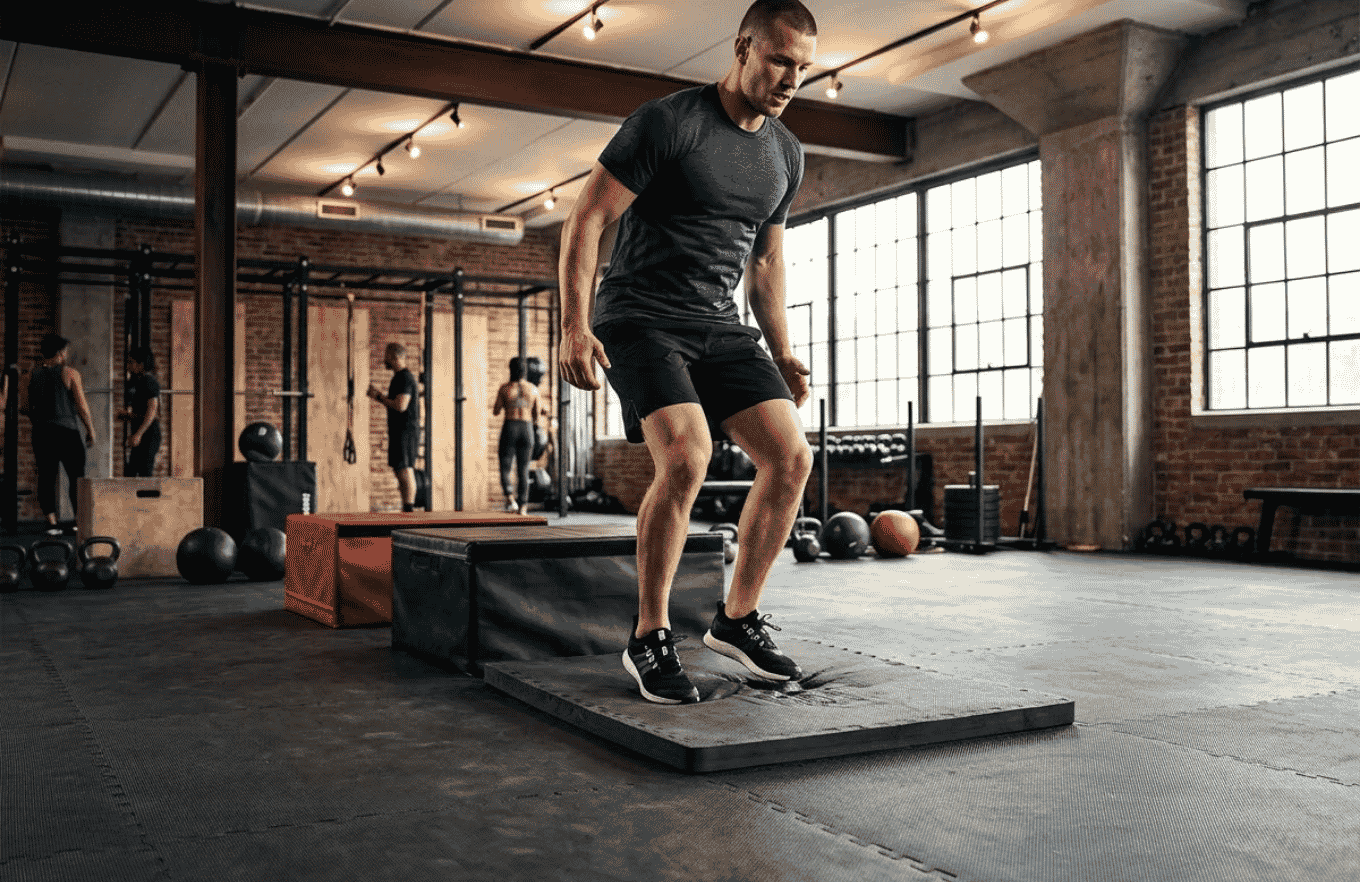
One of the major reasons foam flooring is popular in fitness and recreational environments is its ability to absorb impact.
Effective impact absorption can help:
● Reduce stress on joints during exercise
● Provide cushioning during falls
● Protect equipment from direct contact with hard floors
● Improve overall user comfort
For gyms and training facilities, this characteristic can make a significant difference to the user experience.
Flooring can encounter sweat, water, cleaning solutions, and humidity, especially in gyms, sports facilities, and recreational areas.
Moisture-resistant foam is easier to maintain and can help prevent water-related deterioration. This makes it particularly useful in environments where regular cleaning is essential.
Samad Foam supplies foam solutions for a range of applications where durability and practical performance are important considerations.
A comfortable floor is useful, but it also needs to provide appropriate traction.
The surface texture should match the intended activity. Fitness environments, children's areas, and sports spaces may require a surface that provides sufficient grip while remaining comfortable for movement.
A well-designed surface can help users feel more stable during exercises and everyday activities.
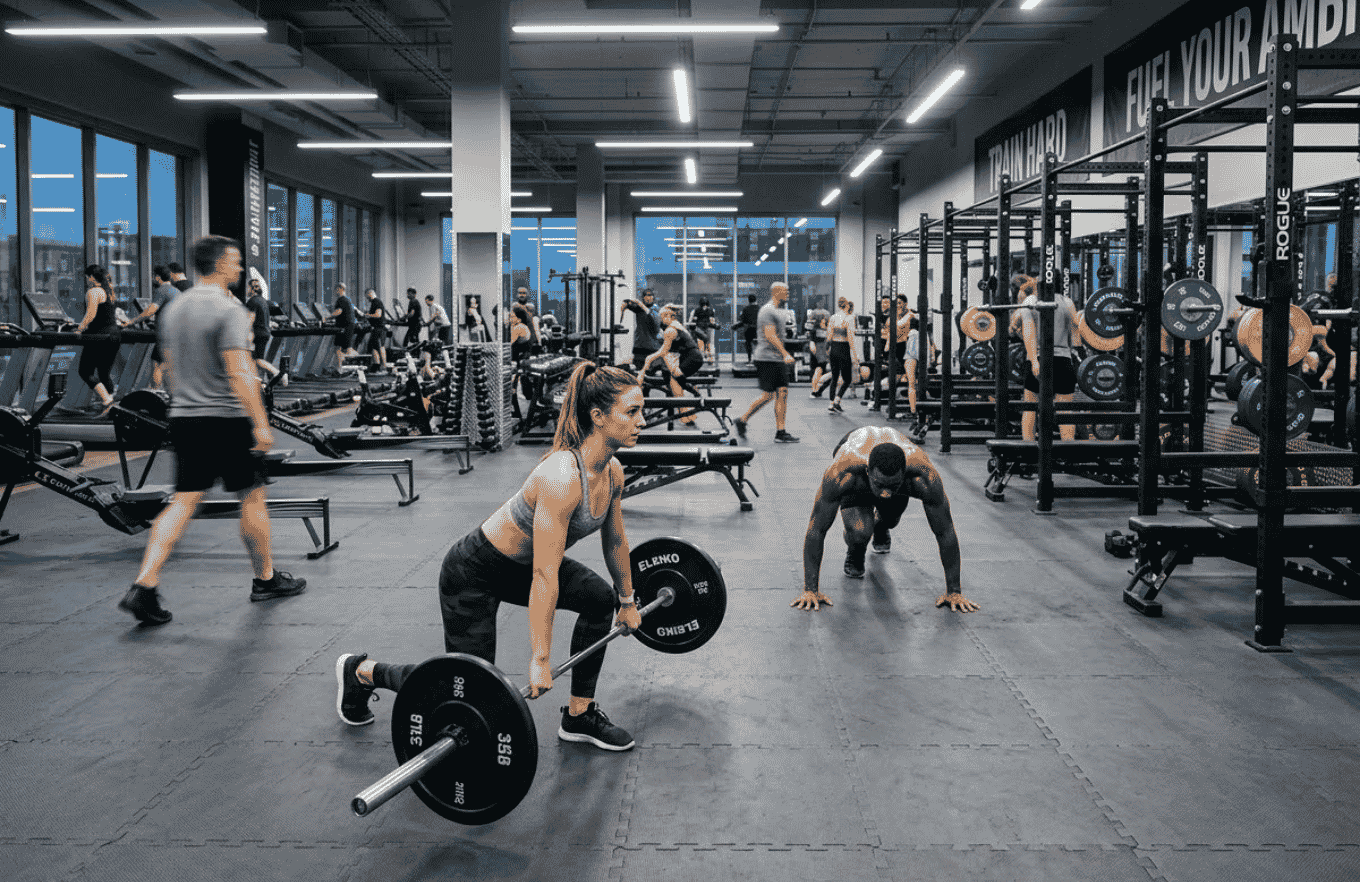
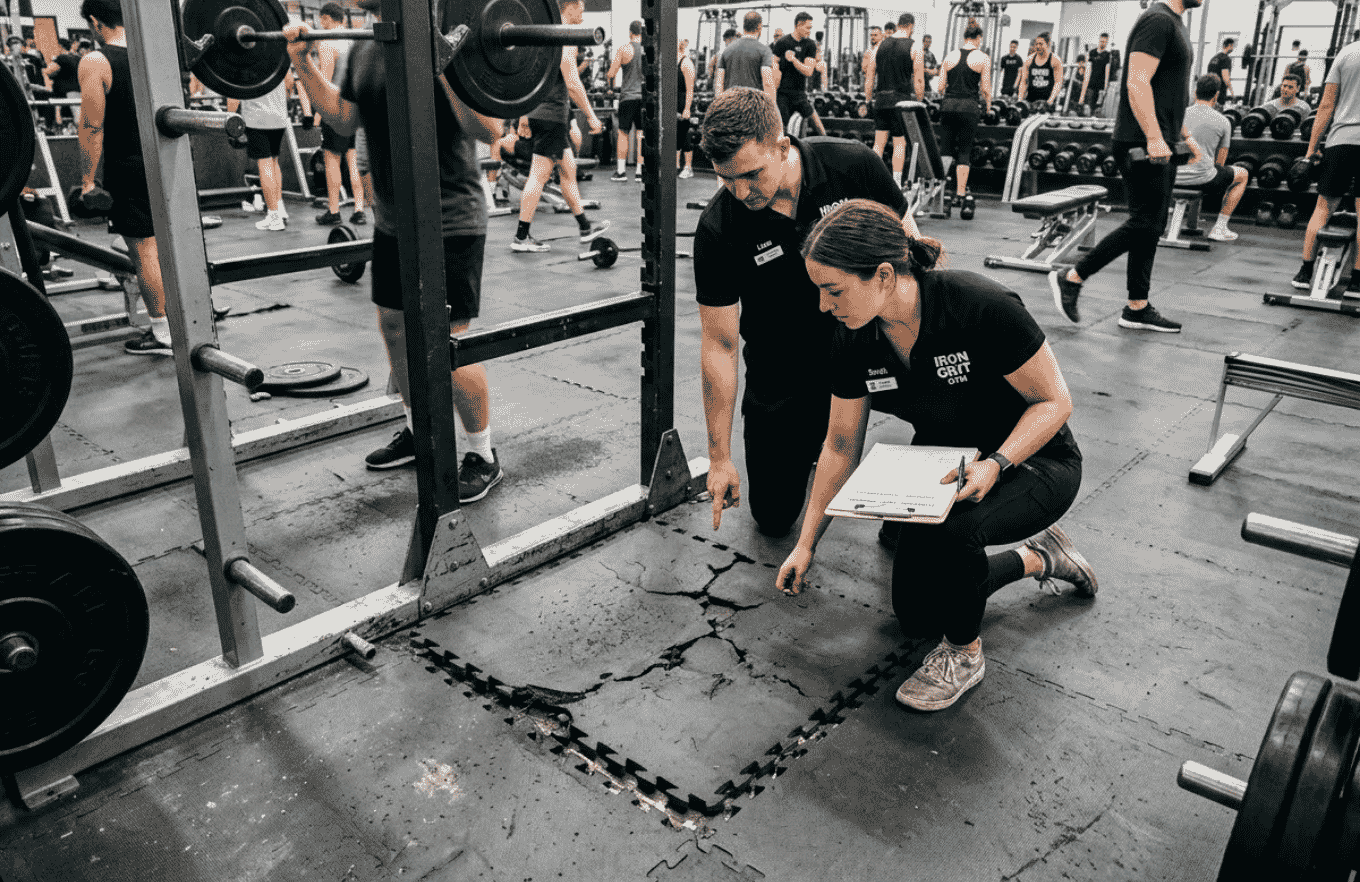
Not all flooring experiences the same level of wear. A home workout area may receive moderate daily use, while a commercial gym could experience continuous foot traffic and repeated equipment movement.
Before selecting a product, consider:
● Daily foot traffic
● Equipment weight
● Frequency of use
● Cleaning requirements
● Expected service life
Higher-demand environments generally require flooring with stronger resistance to compression and surface wear.
Samad Foam understands that different applications require different foam specifications, which is why material selection should always be based on actual usage conditions.
Flooring should not only perform well but also remain practical to install and maintain.
Many EVA Mats are valued for their lightweight construction and convenient handling. Interlocking designs, for example, can simplify installation and allow damaged sections to be replaced without removing an entire floor.
Maintenance requirements should also be considered before purchase. Flooring that is simple to clean can save time, particularly in busy fitness or commercial environments.
Fitness facilities often require flooring that balances cushioning, durability, and traction. Appropriate EVA Foam can provide a comfortable surface for stretching, floor exercises, and selected training activities.
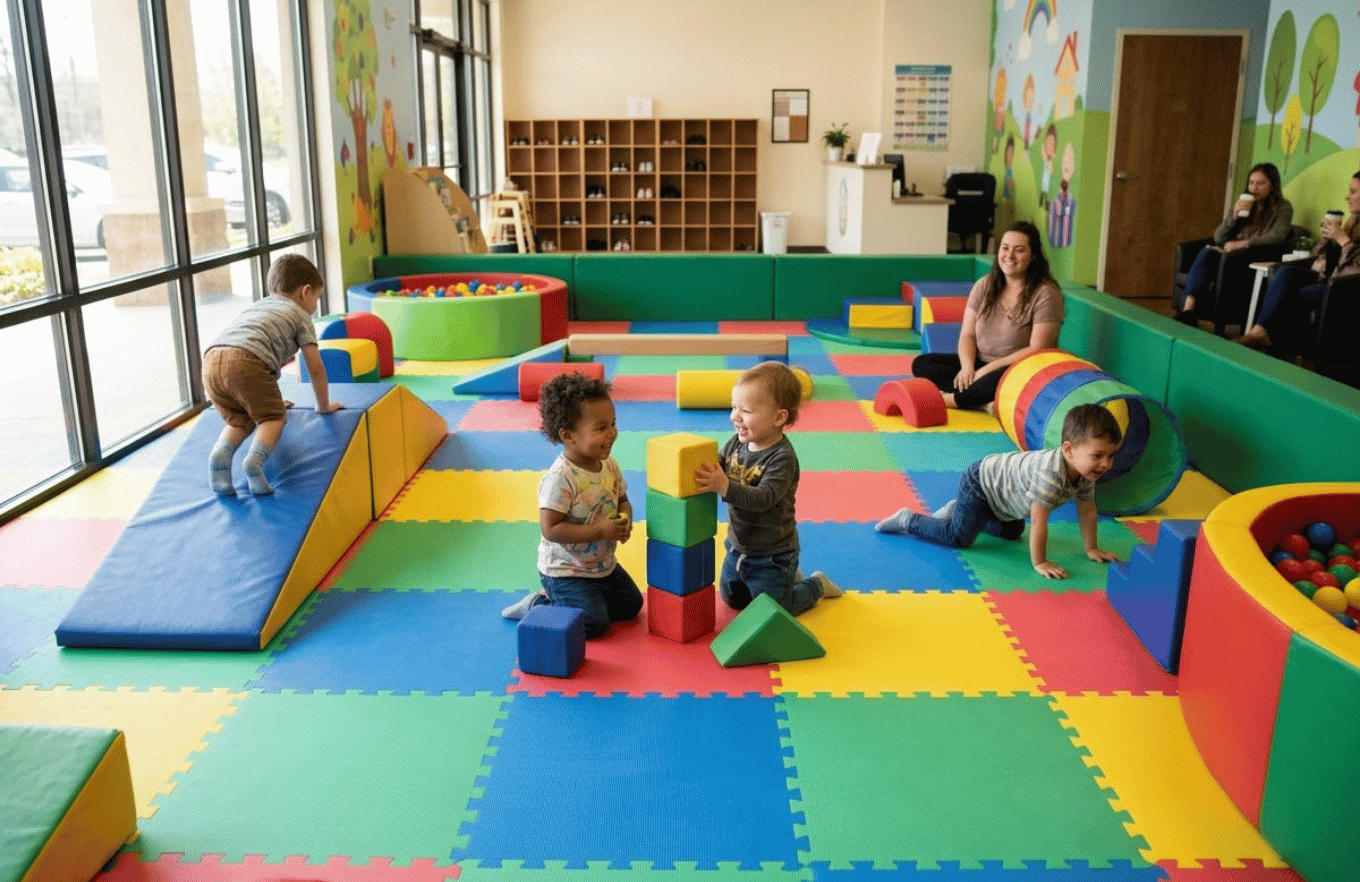
Play areas benefit from cushioning that helps soften minor impacts and creates a more comfortable surface for children.
Commercial environments may place greater emphasis on durability, maintenance, and resistance to repeated use. Choosing specifications based on actual operating conditions can help extend flooring performance.
Samad Foam provides foam materials for customers serving diverse markets, including international buyers in the USA and Europe.
Selecting the right flooring requires more than simply choosing the softest or thickest material available. Density, thickness, impact absorption, moisture resistance, surface grip, durability, and maintenance all influence the final performance.
By evaluating these seven factors before purchasing, businesses can select flooring that better matches their application and expected usage. Whether the requirement involves fitness spaces, recreational areas, or commercial environments, carefully specified EVA Mats can offer a practical combination of comfort and performance.
Samad Foam continues to support businesses seeking dependable foam materials for diverse applications and changing market requirements.
Contact Samad Foam today for reliable EVA foam solutions tailored to your flooring needs, specifications, applications, and performance requirements.
The ideal density depends on the application, traffic level, required cushioning, equipment weight, and expected durability.
Yes, EVA Mats can be suitable for gyms because they provide cushioning, impact absorption, flexibility, and convenient installation for many fitness applications.
The appropriate thickness depends on the activity and impact level. Exercise, children's play areas, and commercial spaces may require different specifications.
.svg)

.svg)