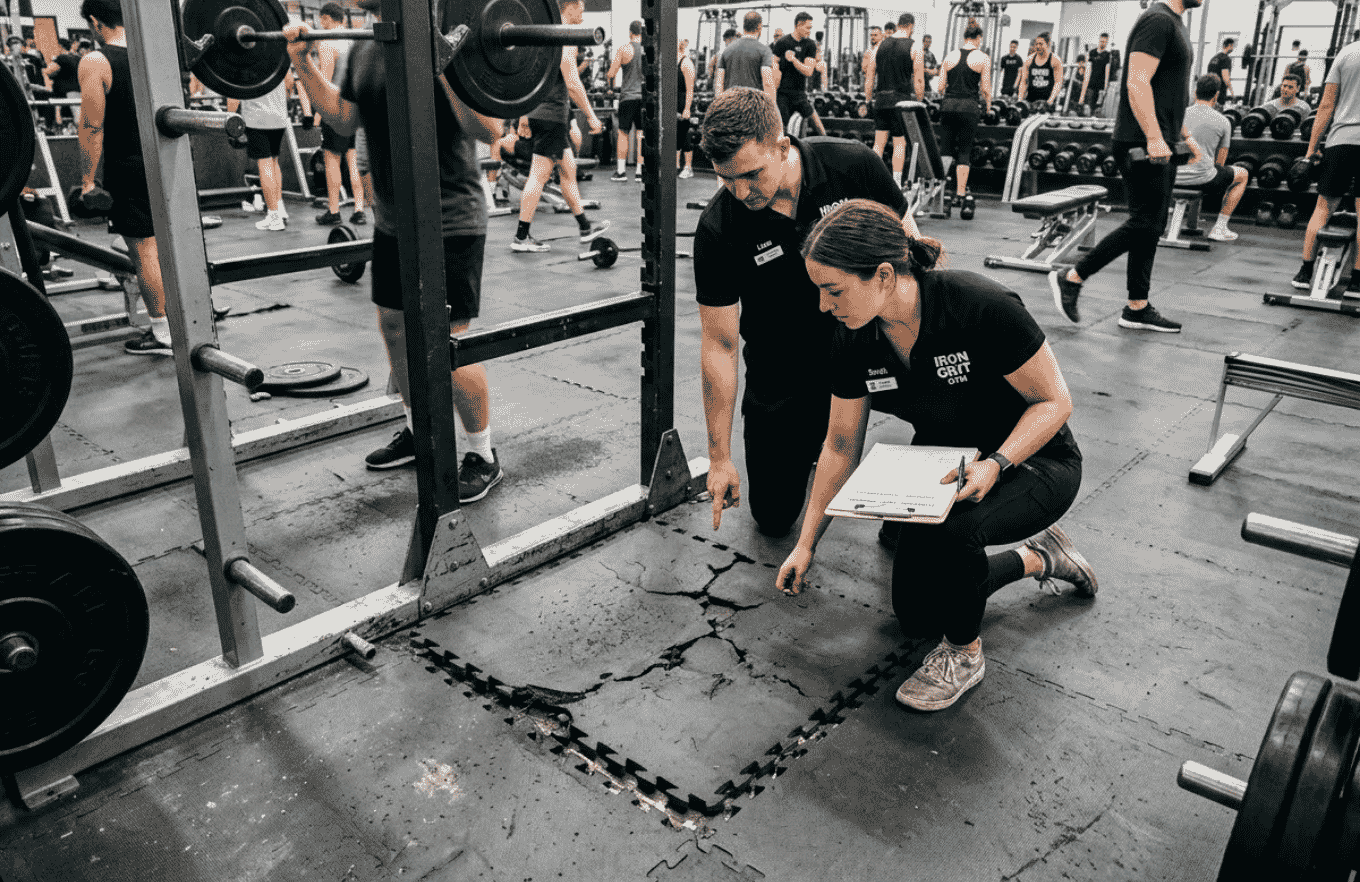
A good workout surface should provide dependable cushioning, stability, and comfort every time it is used. Over time, however, even quality EVA Foam can lose some of its original performance because of constant pressure, friction, moisture, cleaning, and heavy foot traffic. When that happens, continuing to use worn flooring can affect both comfort and the overall usability of a training space.
For gyms, studios, home workout areas, and sports facilities, knowing when to replace EVA Mats is therefore an important part of maintaining a functional exercise environment. Samad Foam supplies foam solutions for different applications, helping businesses consider material performance alongside practical requirements. In this blog, we look at five warning signs that indicate your mats may be ready for replacement.
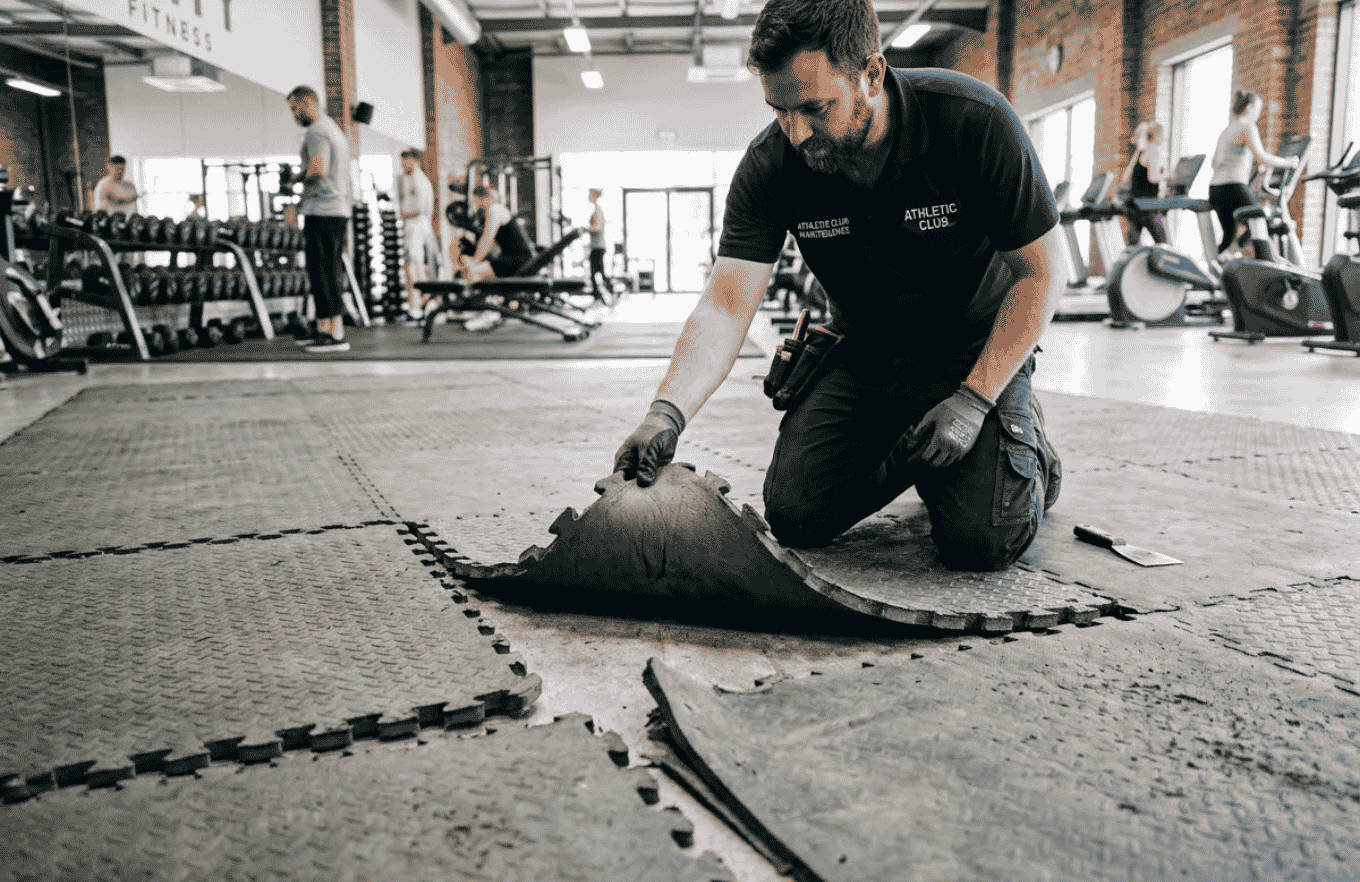
One of the easiest signs to notice is physical damage. Small scratches may not immediately affect performance, but deep cracks, tears, splits, or permanently damaged sections can become more serious over time.
Heavy equipment, repeated movement, footwear, and frequent cleaning can gradually affect the surface. Once damage becomes extensive, dirt and moisture can also collect in affected areas.
If individual sections are visibly deteriorating or no longer connect properly, replacing the affected EVA Mats may be more practical than repeatedly repairing them.
Cushioning is one of the main reasons foam flooring is used in fitness environments. When a mat becomes noticeably harder, flatter, or less comfortable under pressure, it may no longer provide the same level of support.
You may notice this when performing exercises that involve kneeling, jumping, stretching, or floor-based movements. A surface that once felt comfortably resilient may begin to feel unusually firm or uneven.
Samad Foam emphasizes application-specific material selection because thickness, density, and construction can all influence the performance of EVA Foam products.
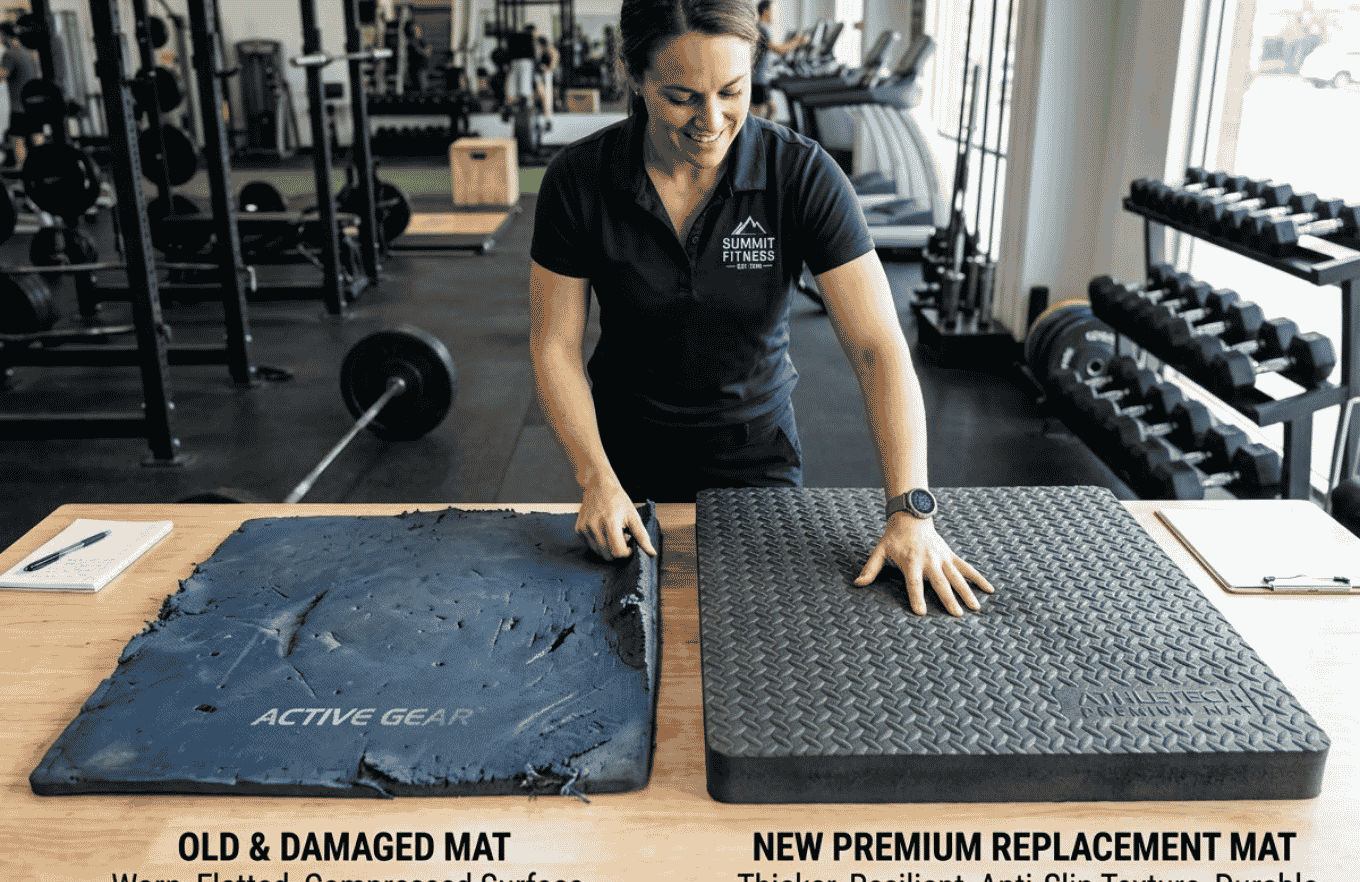
Foam flooring experiences repeated compression during everyday use. In busy gyms and studios, the same areas may carry significant foot traffic and equipment loads for long periods.
If sections remain visibly compressed after the pressure has been removed, the material may have experienced permanent deformation. Uneven surfaces can become uncomfortable and may also affect how equipment sits on the floor.
Before replacing an entire installation, inspect whether the problem is limited to high-use areas. In some situations, replacing individual sections can provide a practical solution.
Interlocking EVA Mats are designed to create a continuous surface, but frequent movement, installation changes, and wear can affect how sections connect.
If edges repeatedly separate, curl upward, or leave noticeable gaps, the flooring may no longer provide the stable surface users expect. This can be particularly frustrating in areas where people move quickly, or equipment is frequently repositioned.
Samad Foam works with customers in international markets, including Europe, where flooring requirements can vary according to the application and intended environment.
Regular cleaning helps maintain exercise flooring, but it cannot reverse material degradation. If strong odors persist despite appropriate cleaning, or if the surface has become excessively worn and difficult to maintain, replacement may be worth considering.
Moisture exposure and inadequate drying can contribute to deterioration over time. Facilities should therefore follow suitable cleaning and maintenance practices while monitoring the condition of their flooring.
For customers in the USA, Samad Foam can provide foam material options for applications where comfort, durability, and practical maintenance are important considerations.
Not every mark means that a mat needs immediate replacement. A useful inspection should consider the overall condition rather than focusing on one small imperfection.
Look for:
● Deep cracks or tears
● Permanent compression
● Uneven surfaces
● Loose or damaged edges
● Persistent odors
● Significant changes in cushioning
● Areas showing heavy wear
If several of these issues appear together, replacing the affected flooring may be a sensible option.
Well-maintained EVA Foam flooring can provide a comfortable and practical surface for many fitness applications, but no mat lasts indefinitely. Visible damage, reduced cushioning, deformation, poor connections, and persistent maintenance problems are all useful indicators that replacement should be considered.
Regular inspections can help gym owners, studio operators, and facility managers identify deterioration before it becomes a bigger problem. When selecting new EVA Mats, consider the intended application, expected traffic, thickness, density, and overall material requirements rather than focusing only on price.
Contact Samad Foam today for quality EVA foam solutions designed to support durable, comfortable, and practical fitness flooring applications.
There is no fixed replacement period because lifespan depends on usage, material specification, traffic, maintenance, and environmental conditions. Regular inspections are more useful than relying solely on age.
Heavy traffic, repeated compression, equipment loads, friction, moisture, improper cleaning, and poor storage can contribute to faster wear.
Minor surface damage may sometimes be managed, but deeply cracked, permanently deformed, or unstable sections are generally better candidates for replacement.
.svg)

.svg)