Production timelines in yoga mat manufacturing are never one-size-fits-all. They shift, stretch, and adjust depending on design choices, material availability, factory capacity, and shipping routes. That’s exactly why businesses need a clear understanding of what actually drives lead times instead of relying on fixed expectations.
A yoga mat manufacturer working with EVA foam typically follows a structured but flexible production system. EVA foam plays a major role here because its processing stages, from heating to molding and cooling, directly affect how quickly final products are completed. EVA foam-based yoga mats are especially popular due to their comfort, durability, and versatility in fitness and wellness markets.
In real-world production, timelines can vary widely. Small orders may move quickly, while large custom batches or export shipments can take significantly longer. Even factors like seasonal demand or shipping congestion in regions like the USA or Europe can influence delivery schedules.
Manufacturers such as Samad Foam continuously refine their processes to maintain a balance between speed and consistency, ensuring clients get reliable output without quality compromise.
Lead times can vary significantly depending on order size and customization level.
● Small orders: 7–15 days
● Medium bulk orders: 15–30 days
● Large export orders: 30–60 days
● Custom EVA foam designs: 40–75 days
A yoga mat manufacturer typically adjusts timelines based on production load and material availability. EVA foam sourcing can also influence delays if raw material supply chains fluctuate.
Furthermore, seasonal demand spikes, especially in fitness and wellness industries, can extend lead times.
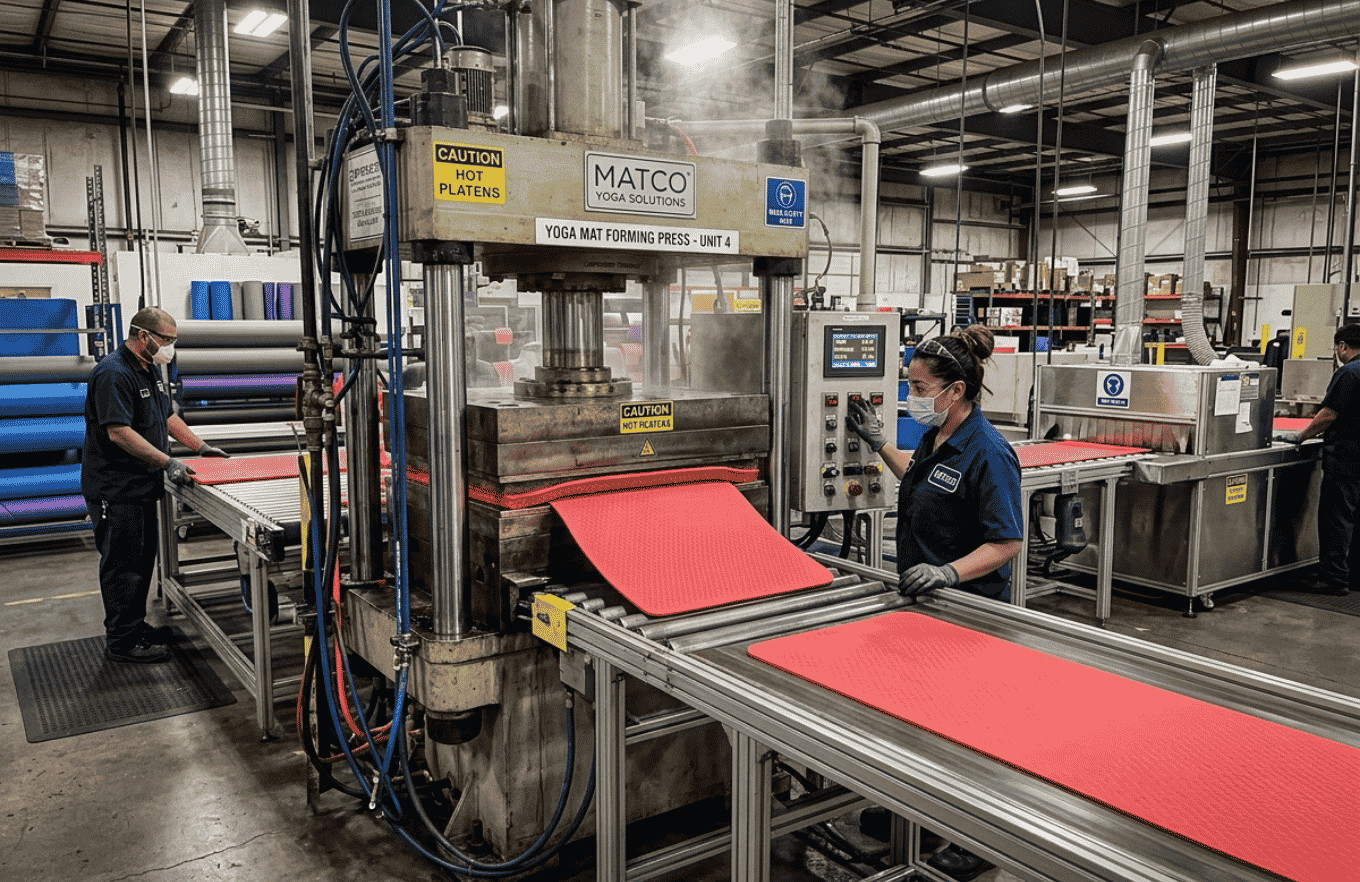
Several elements directly impact how quickly EVA foam yoga mats move through production.
EVA foam availability plays a critical role in determining production speed. Delays in raw material sourcing can extend manufacturing timelines.
Custom patterns, thickness levels, and surface textures require additional processing time.
Factories operating at full capacity may experience longer queues for new orders.
Strict inspection standards ensure product durability but add extra time to production cycles.
Final-stage delays often occur during packaging and export preparation.
Moreover, manufacturers with integrated systems, such as Samad Foam, reduce delays by combining production and logistics coordination under one system.
Understanding each stage helps businesses estimate delivery more accurately.
Product specifications are finalized, and initial EVA foam samples are created.
EVA foam sheets are prepared and tested for density and durability.
Mats are formed using compression or extrusion methods.
Non-slip coatings and textures are added.
Each yoga mat is tested for consistency, strength, and safety.
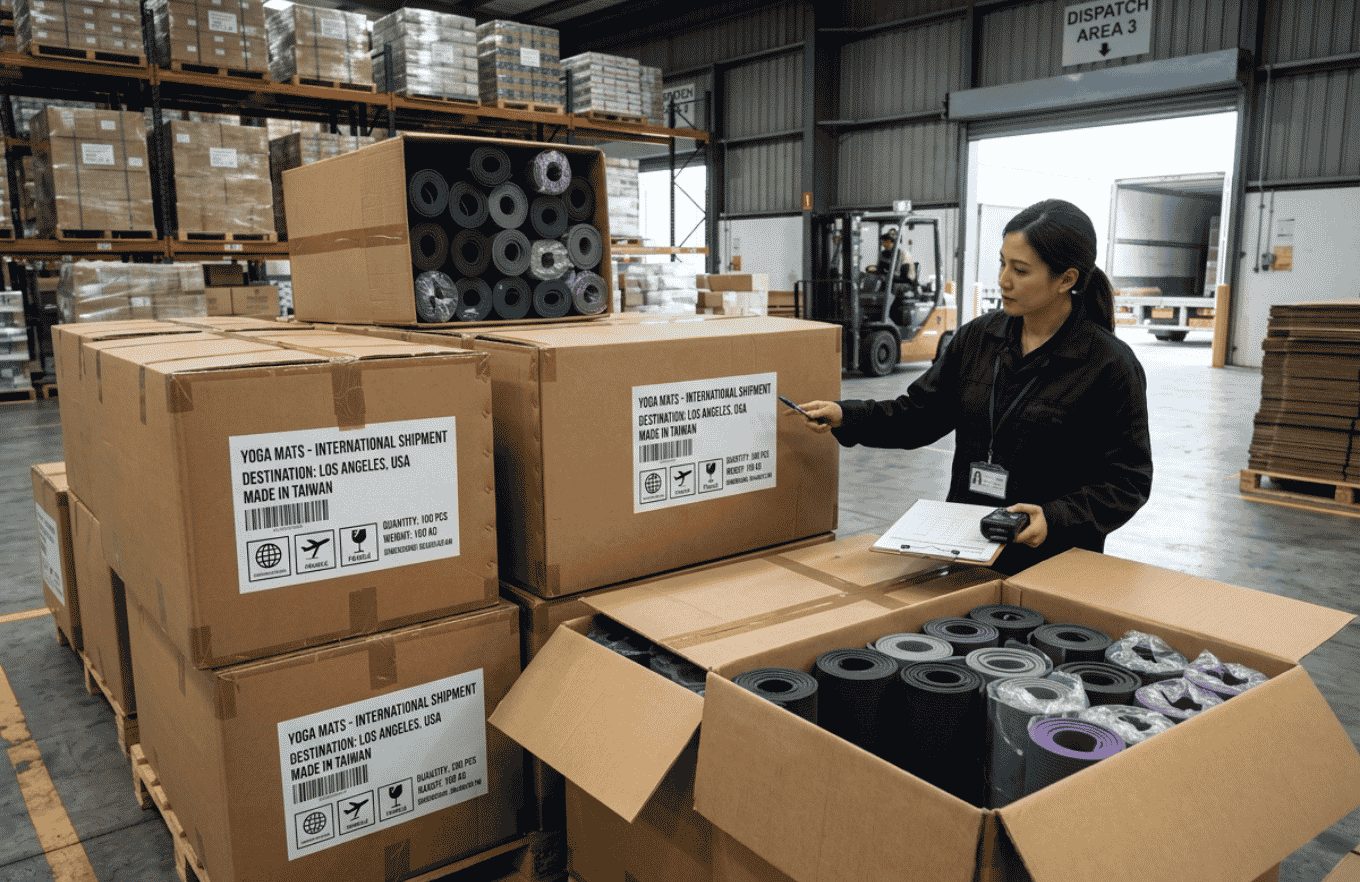
Products are packed and prepared for shipment to global markets.
Furthermore, streamlined systems help reduce delays in export-heavy regions like the USA and Europe.
A professional yoga mat manufacturer focuses on process efficiency and supply chain integration.
● Automated EVA foam cutting systems
● Pre-stocked raw material inventory
● Parallel production workflows
● In-house quality testing labs
EVA foam processing efficiency directly impacts how quickly orders are completed.
Most importantly, manufacturers that invest in modern equipment reduce human error and improve consistency.
After production, logistics becomes the next critical phase.
● Air freight: 5–10 days
● Sea freight: 20–45 days
● Express courier: 3–7 days
A yoga mat manufacturer serving international markets must account for customs clearance, documentation, and regional regulations.
Furthermore, demand in global markets like the USA and Europe often requires coordinated production planning to avoid delays.
EVA foam is a key material that directly affects manufacturing speed.
● Foam density variations require calibration
● Heat expansion time during molding
● Cooling and stabilization periods
● Cutting precision requirements
EVA foam quality control ensures final yoga mats meet performance standards, but can slightly extend production time.
Samad Foam integrates advanced EVA foam processing systems to maintain consistent timelines across large-scale orders.
Understanding production lead times helps businesses plan better when working with a yoga mat manufacturer. From EVA foam preparation to final shipping, each stage influences delivery schedules.
While standard timelines vary based on order size and customization, efficient manufacturers streamline operations to reduce delays. EVA foam remains a key material that balances performance and production efficiency in yoga mat manufacturing.
Reliable companies like Samad Foam ensure stable production cycles and consistent supply for clients across global markets, including the USA and Europe.
Contact Samad Foam today to discuss your yoga mat manufacturing requirements, optimize production timelines, ensure consistent EVA foam quality, and secure a reliable bulk supply for your growing international business needs.
Most yoga mat manufacturers require 15 to 30 days for standard bulk production, depending on order size and EVA foam availability.
EVA foam requires controlled heating, molding, and cooling stages, which directly influence total manufacturing lead times.
Manufacturers reduce delays through automation, pre-stocked materials, efficient workflow systems, and integrated quality control processes.
.svg)

.svg)