LDPE Foam has become a favorite among manufacturers seeking a material that offers flexibility, comfort, and long-lasting performance. Within the first stages of product development, teams often compare LDPE Foam and TPE Foam to decide which fits their needs better. As industries grow more demanding and customers expect smarter solutions, LDPE Foam offers a balanced combination of strength and softness that is hard to overlook.
Well, the role of LDPE Foam becomes clearer, especially when evaluating alternatives like TPE Foam in packaging, sports goods, footwear, insulation, and various consumer products. With several companies, including Samad Foam, pushing innovation, the global market now sees LDPE Foam as a dependable and adaptable option.
Manufacturers often explore new materials because the market expects better cushioning, lighter structures, and improved durability. LDPE Foam supports these expectations by offering a closed-cell structure that naturally resists moisture, temperature changes, and wear. When comparing LDPE Foam with TPE Foam, the most noticeable difference appears in how each material behaves under pressure. LDPE Foam maintains its shape for longer durations, which makes it useful in protective packaging and sports gear where impact resistance truly matters. The material can also be formed into sheets, rolls, blocks, and custom shapes without losing stability.
Samad Foam has played an important role in helping manufacturers in Europe understand the full range of LDPE Foam applications. The company’s consistent quality and willingness to customize densities make LDPE Foam suitable for both lightweight and heavy-duty projects. This flexibility is one of the main reasons why manufacturers reassess their use of TPE Foam and explore LDPE Foam as a replacement.
One major reason LDPE Foam stays ahead is its predictable behavior. Manufacturers want a material that holds performance across production batches, and LDPE Foam offers exactly that. TPE Foam has its strengths, especially in soft-touch products, but LDPE Foam combines resilience with better thermal insulation. This gives manufacturers confidence when designing products used in fluctuating environments. It is also easier to laminate, cut, heat-form, or bond, which reduces production complexity.
Samad Foam has noticed rising demand for LDPE Foam in the USA as businesses look for cost-effective materials that still deliver high performance. LDPE Foam often becomes the more economical choice, especially for large-scale production. The balance of cost and reliability encourages manufacturers to rethink their previous preference for TPE Foam and switch to a more stable option.
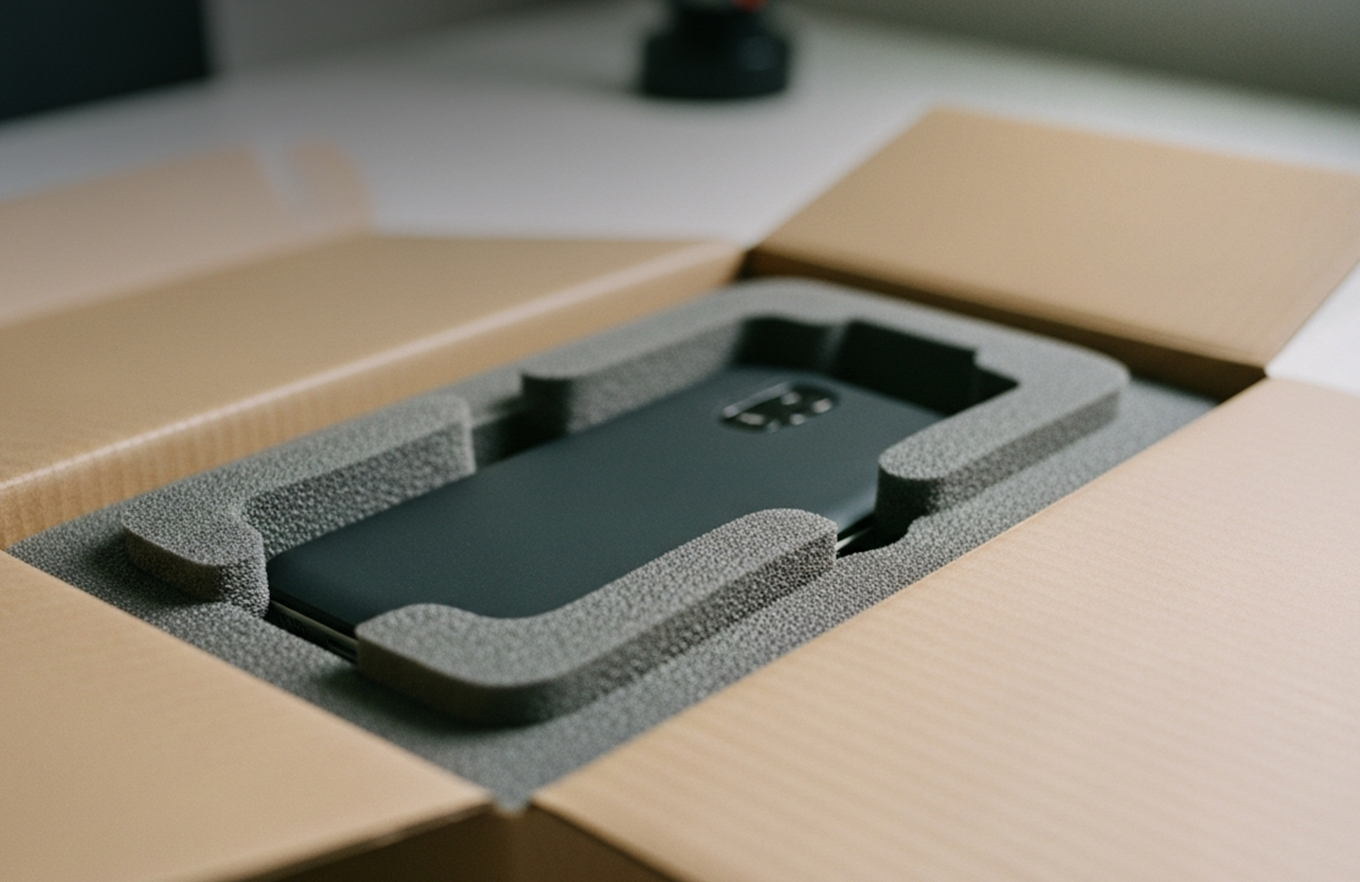
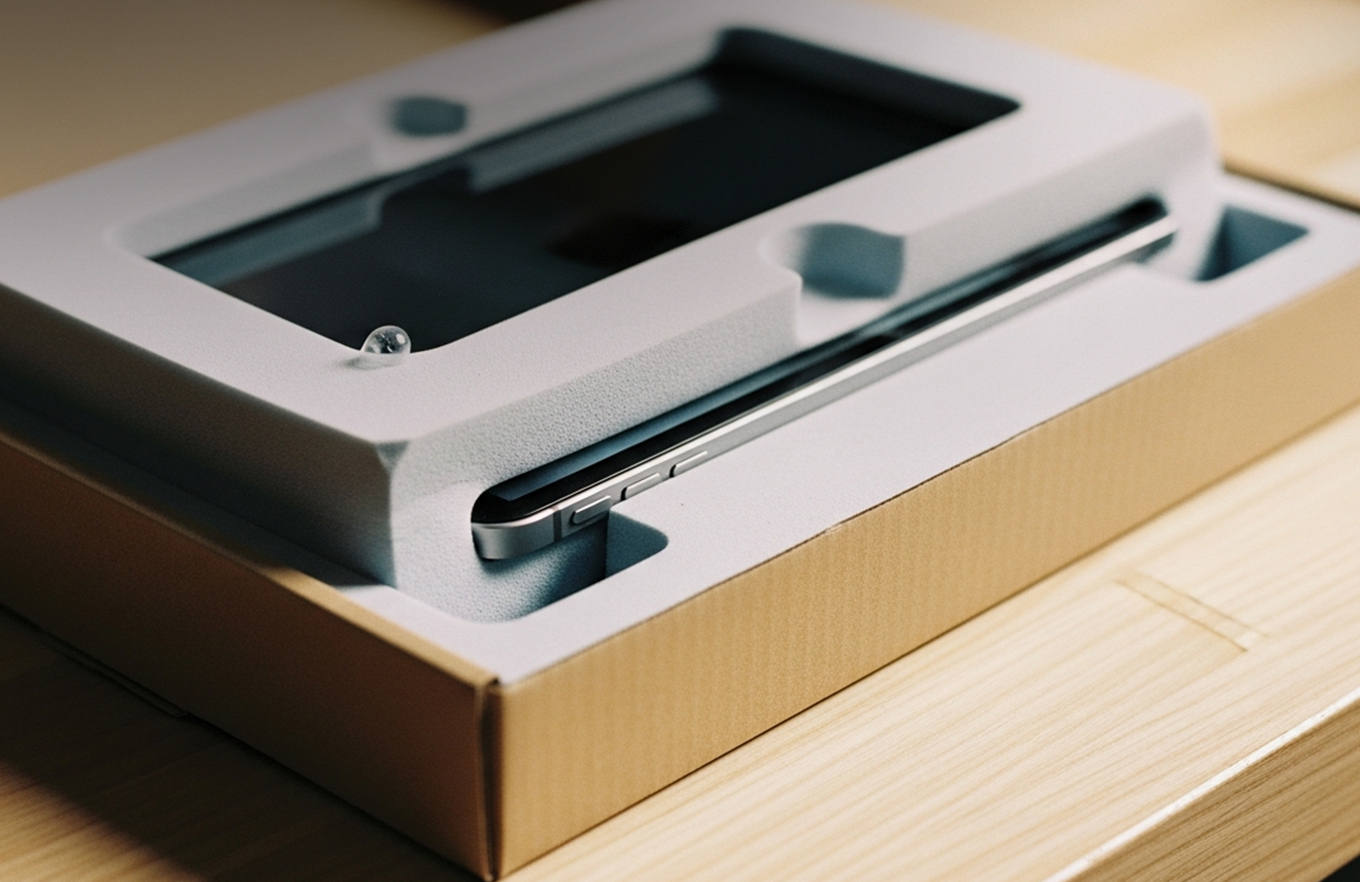
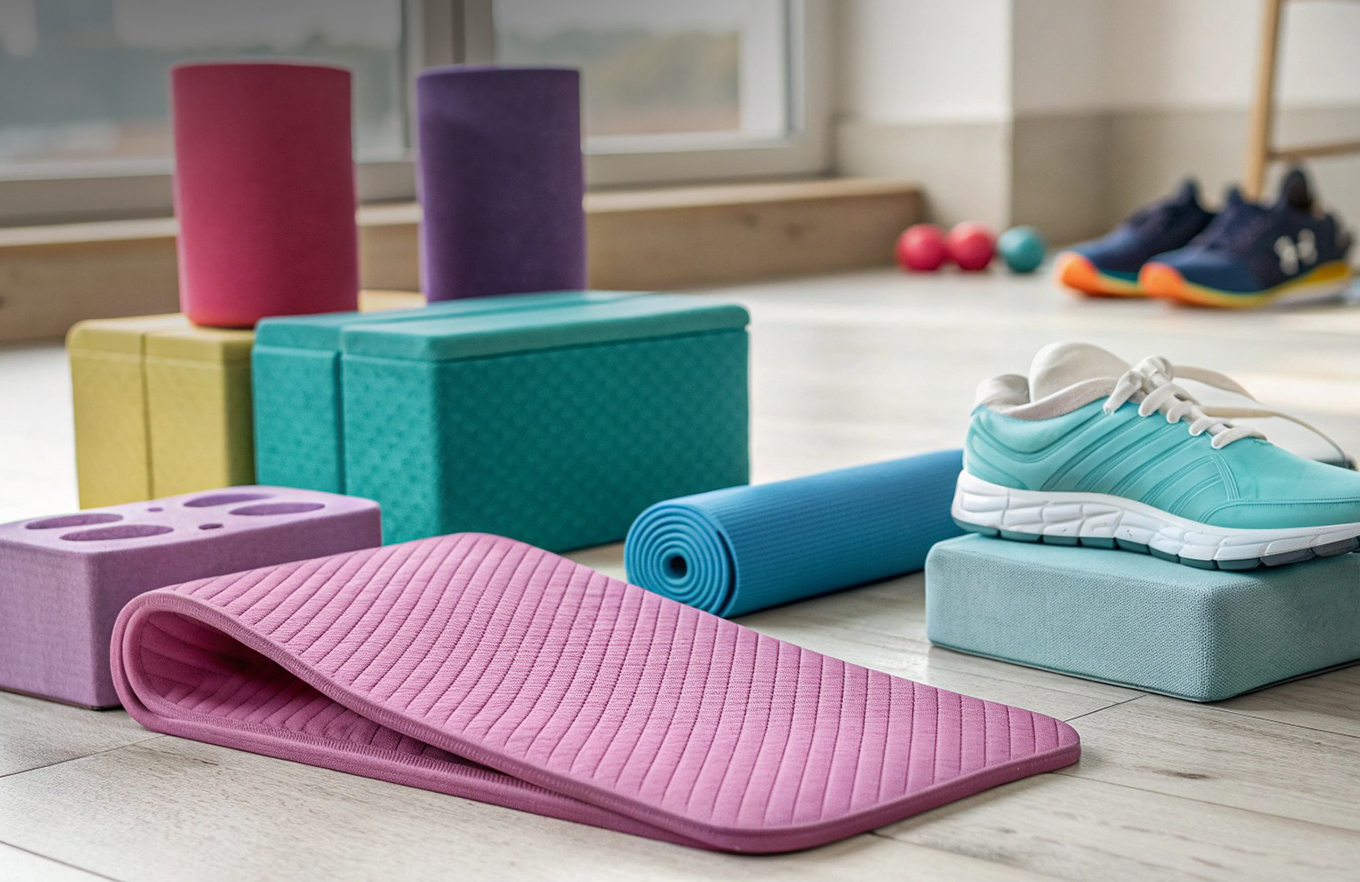
LDPE Foam enters multiple industries because its lightweight structure does not compromise strength. Packaging companies choose it for electronic goods, glassware, and fragile items due to its capacity to absorb impact without transferring shock. Footwear designers use LDPE Foam for midsole support, creating a soft yet stable experience for the wearer. Fitness brands often manufacture yoga blocks, kneeling pads, and sports mats using LDPE Foam because it remains comfortable even with repeated use.
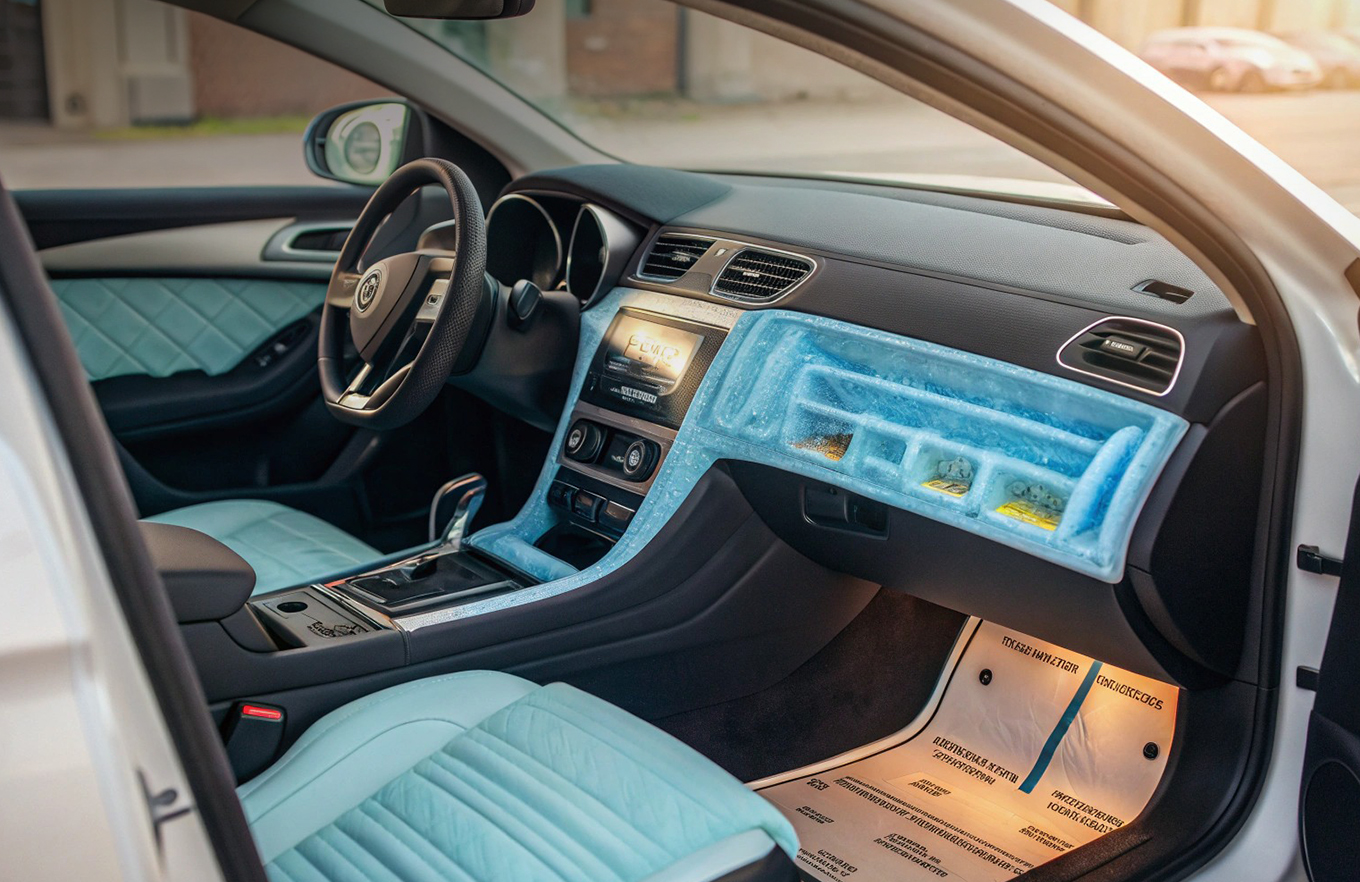
In settings where TPE Foam once dominated, LDPE Foam is quickly gaining traction. Many manufacturers prefer LDPE Foam because it does not lose its bounce over time, which keeps the product feeling fresh. Samad Foam continues to supply LDPE Foam to brands seeking reliability in applications that demand both safety and comfort. Its anti-slip and vibration-resistant nature also makes LDPE Foam an ideal choice for automotive interiors, thermal insulation solutions, and industrial components.
Transitioning from TPE Foam to LDPE Foam is not complicated, but it does require a clear understanding of performance needs. LDPE Foam is particularly strong in areas that require impact absorption and thermal control. Manufacturers should evaluate density requirements, thickness preferences, and finishing methods. LDPE Foam tends to maintain color and shape better under stress, which is useful for long-term consumer products. With guidance from suppliers like Samad Foam, the process becomes smooth and predictable.
Manufacturers must also consider sustainability. LDPE Foam can be reused and recycled in several forms. While TPE Foam supports eco-friendly initiatives as well, LDPE Foam often proves more economical during recycling cycles. This factor adds another layer of appeal to companies managing high production volumes. The market’s shift toward durable, earth-friendly materials encourages manufacturers to adopt LDPE Foam with confidence.
Global demand for LDPE Foam continues to increase as industries move toward lighter, more adaptable materials. Its growth reflects the need for products that offer longer life and greater performance with minimal maintenance. Several manufacturers who once relied heavily on TPE Foam now test LDPE Foam to streamline production costs. LDPE Foam has also become common in consumer markets because it provides comfort without losing its form even after extended use. With giants like Samad Foam supplying high-grade LDPE Foam internationally, businesses can align with global quality expectations and expand product offerings.
Contact us today to explore reliable LDPE Foam solutions designed to enhance your products with confidence.
LDPE Foam continues to attract manufacturers searching for adaptable, long-lasting, and cost-effective material options. As industries compare LDPE Foam with TPE Foam, the favourable balance of durability, efficiency, and comfort becomes clear. Its performance across packaging, fitness goods, footwear, interiors, and industrial applications proves that LDPE Foam fits both creative and functional projects. With strong support from suppliers like Samad Foam, manufacturers in the USA, Europe, and beyond gain access to consistent quality and dependable supply. As the market evolves toward smarter material choices, LDPE Foam stands out as a practical and promising solution.
LDPE Foam lasts longer because it resists pressure, moisture, and temperature changes more effectively than TPE Foam. Its structural stability ensures consistent performance across extended use.
Yes, LDPE Foam can be customized easily, and manufacturers often choose it for precise density control. This flexibility allows better performance compared to many TPE Foam formats.
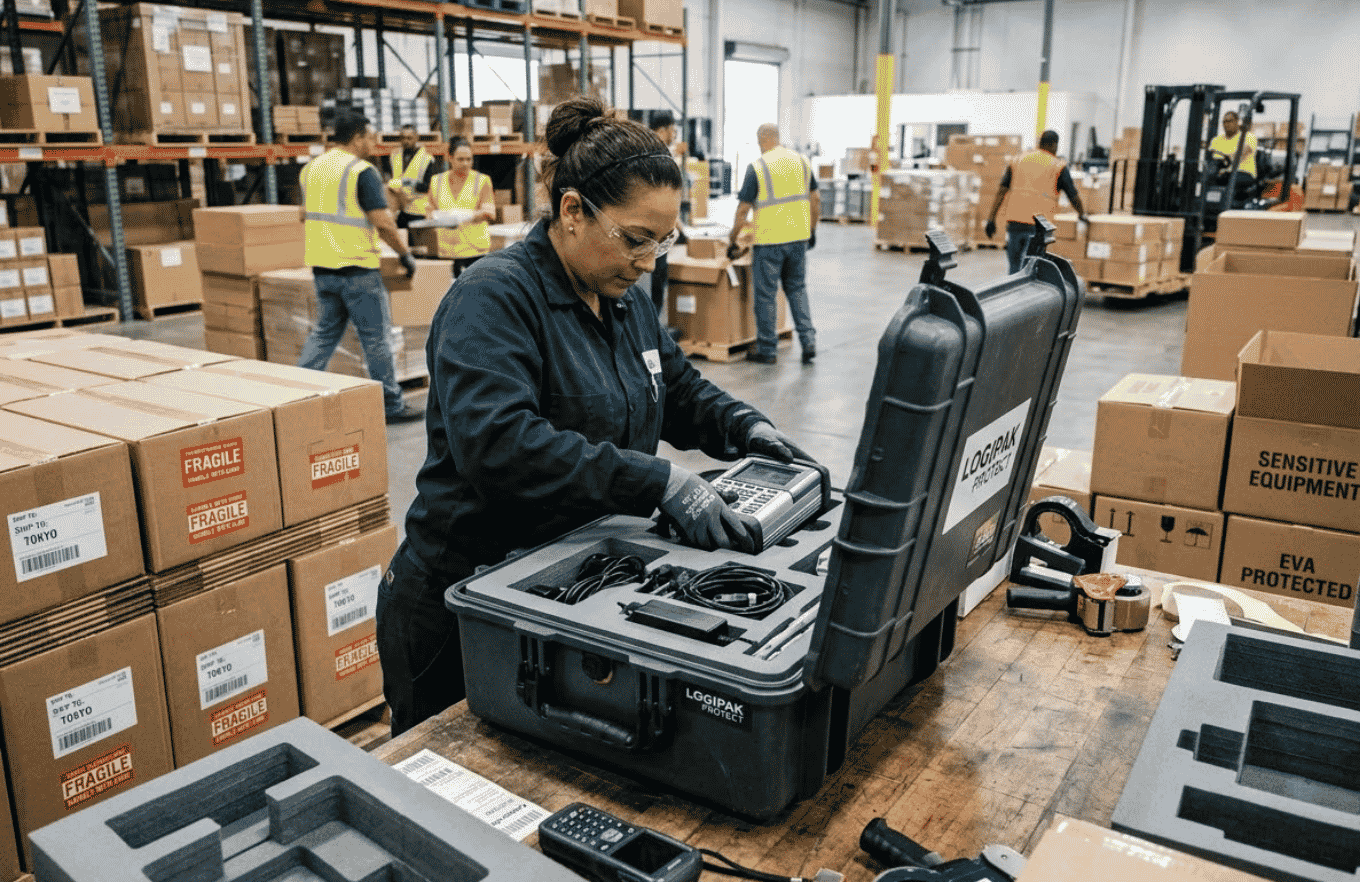
LDPE Foam works well in protective packaging because it absorbs impact without losing form. Its cushioning strength often outperforms TPE Foam for fragile items.
.svg)

.svg)