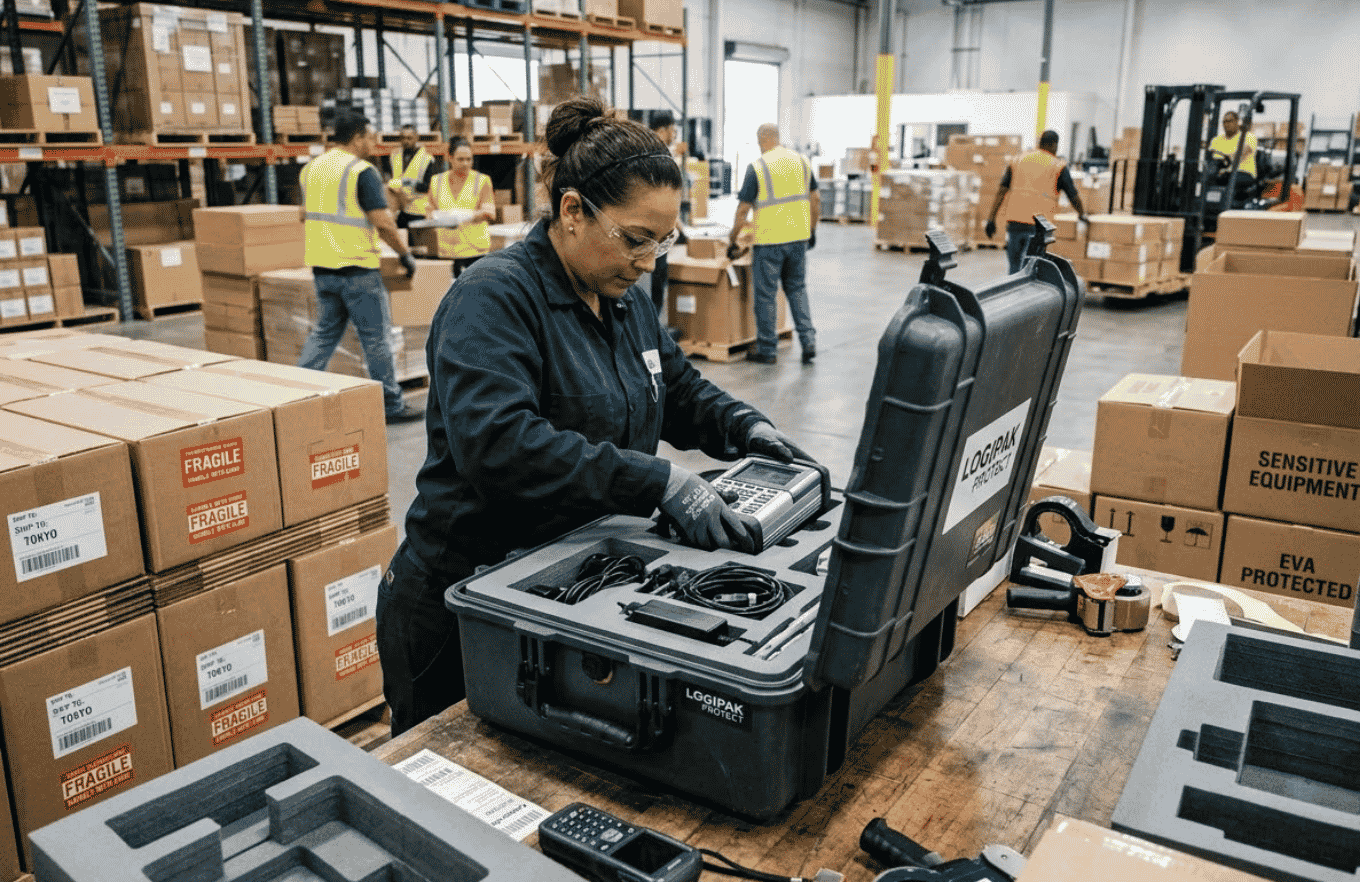
The global landscape of LDPE Foam manufacturing is undergoing a significant transformation. Manufacturers are now embracing sustainable practices that not only reduce environmental impact but also enhance efficiency and product performance. As industries increasingly demand eco-friendly solutions, LDPE Foam is emerging as a versatile material for various applications, from packaging to insulation. Unlike TPE Foam, LDPE Foam offers a unique balance of durability and lightweight properties, making it a preferred choice in sectors prioritizing sustainability. Companies like Samad Foam are leading the charge by implementing innovative production techniques, providing clients across the USA and Europe with high-quality foam solutions that align with global environmental goals.
As businesses strive to meet stricter environmental standards, adopting responsible manufacturing methods for LDPE Foam has become essential. By integrating energy-efficient processes and exploring recycling initiatives, manufacturers not only cut costs but also contribute to a circular economy. The evolution of LDPE Foam highlights the material’s adaptability and the growing global awareness around sustainable industrial practices.
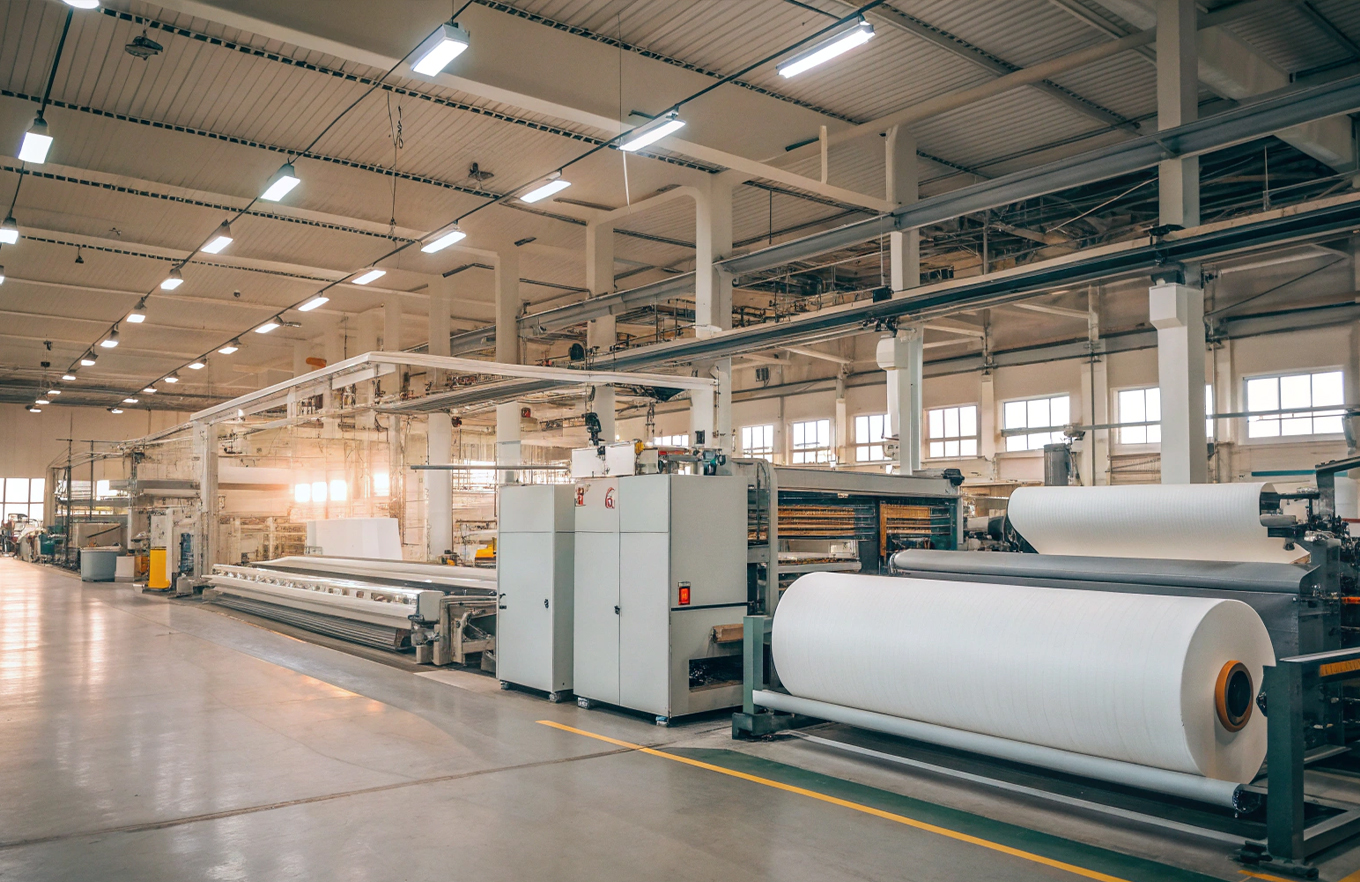
Sustainability in LDPE Foam manufacturing focuses on reducing energy consumption, minimizing waste, and utilizing eco-friendly raw materials. Many manufacturers, including Samad Foam, have started using post-industrial and post-consumer recycled materials to create new foam products. This approach not only conserves resources but also positions LDPE Foam as a more environmentally responsible alternative compared to TPE Foam in certain applications.
Energy-efficient machinery and optimized production lines are central to reducing the carbon footprint of LDPE Foam production. By minimizing emissions and maximizing material usage, manufacturers are creating products that meet both performance and environmental criteria. The emphasis on sustainable manufacturing is resonating with clients in the USA, who increasingly demand green solutions, and with partners in Europe, where environmental regulations are particularly stringent.
Moreover, research and development in LDPE Foam is advancing rapidly. Innovations in chemical formulations allow for better durability and flexibility, ensuring the material can meet the growing demands of industries such as packaging, automotive, and construction without compromising on sustainability.
While TPE Foam offers flexibility and certain performance advantages, it often requires more energy-intensive production processes compared to LDPE Foam. The lightweight, recyclable, and versatile nature of LDPE Foam gives it an edge when it comes to sustainability-focused manufacturing. By integrating recycled materials and adopting cleaner technologies, manufacturers like Samad Foam have positioned LDPE Foam as a preferred option for eco-conscious businesses globally.
In sectors like packaging, LDPE Foam’s ability to be reshaped and reused significantly reduces waste, whereas TPE Foam often presents challenges in recycling due to its composite nature. In addition, LDPE Foam’s cost-effectiveness, combined with environmental benefits, makes it highly attractive for large-scale production. Clients in the USA have recognized its value for long-term projects, while European businesses appreciate the compliance with strict environmental standards, reinforcing LDPE Foam’s growing international adoption.
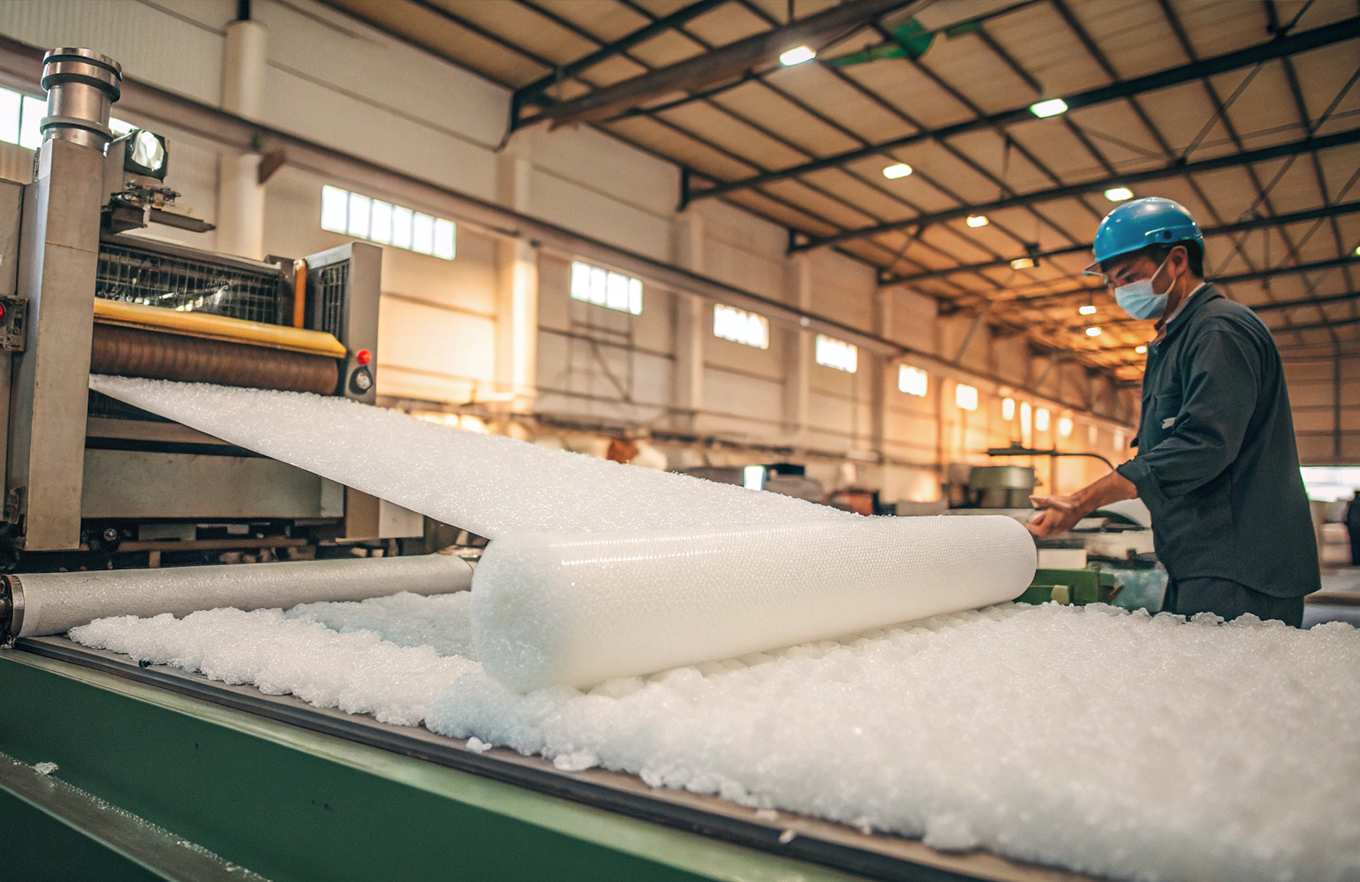
The adoption of LDPE Foam is expanding globally due to a combination of sustainability, performance, and cost-effectiveness. North American markets are increasingly seeking environmentally responsible materials for packaging, insulation, and protective applications, while European companies demand compliance with rigorous eco-friendly regulations. Manufacturers like Samad Foam are capitalizing on these trends by offering tailored LDPE Foam solutions that incorporate recycled content without compromising quality or durability.
Investment in research, automation, and eco-friendly manufacturing techniques is driving the international growth of LDPE Foam. Companies are also exploring hybrid approaches, combining LDPE Foam with TPE Foam where flexibility is critical, to create high-performance, sustainable products. These strategies have positioned LDPE Foam as a key player in industries looking to reduce environmental impact while maintaining product reliability.
Technological innovations are shaping the future of LDPE Foam. Advanced extrusion methods, improved foaming agents, and precision molding allow manufacturers like Samad Foam to produce foam with superior density and strength, ensuring applications from protective packaging to insulation are optimized. These innovations reduce raw material wastage, energy consumption, and processing time, making LDPE Foam an increasingly attractive solution compared to TPE Foam in sustainability-conscious markets.
Another notable trend is integrating circular economy principles, where end-of-life LDPE Foam products are recycled into new foam or repurposed for other industrial uses. This reduces landfill waste and extends the life cycle of foam products, supporting the global movement towards environmentally responsible manufacturing.

The trajectory of LDPE Foam manufacturing is strongly aligned with global sustainability priorities. As environmental regulations tighten and consumer awareness increases, manufacturers will continue to innovate with green materials, process optimization, and recycling initiatives. The versatility of LDPE Foam ensures it remains relevant across multiple industries, from packaging and construction to automotive and electronics.
Companies like Samad Foam are setting benchmarks in the industry, demonstrating how eco-friendly manufacturing can coincide with high-performance material production. With increasing global adoption in the USA and Europe, LDPE Foam is poised to be a leading choice for businesses seeking both efficiency and sustainability.
Contact Samad Foam today to discover eco-friendly LDPE Foam solutions that enhance performance, reduce costs, and support sustainable manufacturing goals worldwide.
LDPE Foam is not only durable and versatile but also increasingly sustainable, making it a preferred alternative to TPE Foam in many applications. With global adoption on the rise, manufacturers are focusing on energy efficiency, recycling, and innovation to meet environmental standards. Businesses looking to invest in reliable, eco-conscious materials can turn to LDPE Foam solutions from trusted providers like Samad Foam, ensuring high performance with minimal environmental impact.
LDPE Foam can incorporate recycled materials, requires less energy to produce, and is easier to reuse, making it environmentally favorable compared to TPE Foam.
Yes, LDPE Foam is versatile for packaging, insulation, and protective solutions, though TPE Foam may be preferred where extreme flexibility is required.
Manufacturers in the USA and Europe are increasingly choosing LDPE Foam due to sustainability, cost-effectiveness, and regulatory compliance, leading to broader international usage.
.svg)

.svg)