In modern manufacturing and engineering, choosing the right protective and insulating material makes a real difference. LDPE Foam has steadily become a go-to solution across multiple industries because of its lightweight structure, durability, and reliable shock absorption. From temperature-sensitive HVAC systems to moisture-heavy marine environments, this material continues to prove its versatility.
Many manufacturers also compare LDPE Foam with TPE Foam when selecting materials for cushioning, insulation, and protective applications. While both materials offer distinct advantages, LDPE Foam stands out for its balance of flexibility, cost-efficiency, and protective performance.
Companies like Samad Foam have played an important role in supplying high-quality foam solutions for industries across the USA and other global markets. With growing demand for reliable insulation and protective materials, LDPE Foam continues to gain traction in sectors that require both durability and lightweight protection.
At first glance, LDPE Foam may seem like a simple cushioning material. In reality, its structure and performance characteristics make it one of the most adaptable materials used in industrial environments today.
LDPE Foam is produced using low-density polyethylene in a closed-cell structure. This design prevents moisture absorption while providing excellent cushioning and insulation properties. Because of this structure, the material resists chemicals, impacts, and temperature variations better than many traditional foam products.
Compared to TPE Foam, which offers enhanced elasticity and flexibility, LDPE Foam focuses on stability, protection, and lightweight durability. This makes it particularly useful in applications where structural integrity and consistent performance are required over time.
Manufacturers often select LDPE Foam when they need a material that can protect equipment, reduce vibration, or provide thermal insulation without adding excessive weight.
Several characteristics explain why LDPE Foam performs well in diverse environments.
• Excellent thermal insulation properties for HVAC systems
• High shock absorption for packaging and transportation
• Strong resistance to moisture and chemicals
• Lightweight composition for easy installation and handling
• Long-lasting durability in demanding industrial environments
These features allow industries to rely on LDPE Foam for both protection and efficiency.

Heating, ventilation, and air conditioning systems rely heavily on proper insulation. Temperature fluctuations, condensation, and vibration can all affect HVAC performance if materials are not chosen carefully.
LDPE Foam is widely used for insulating pipes, ducts, and cooling systems because it maintains thermal stability while preventing condensation buildup. Its closed-cell structure reduces heat transfer, making it an effective barrier that improves system efficiency.
When compared with TPE Foam, LDPE Foam provides better moisture resistance and structural stability, which is particularly important in large commercial HVAC installations.
Many HVAC contractors prefer working with LDPE Foam because it is flexible enough to fit around pipes and ducts while still maintaining a strong protective layer. The result is improved energy efficiency and reduced maintenance requirements.
Manufacturers and contractors often rely on trusted suppliers such as Samad Foam for consistent material quality and reliable insulation performance.
HVAC engineers typically look for materials that provide durability, insulation, and easy installation.
• Prevents condensation on chilled pipelines
• Reduces energy loss in heating and cooling systems
• Minimizes vibration noise in mechanical equipment
• Maintains insulation performance over long operational periods
These benefits contribute to lower operational costs and improved system efficiency.

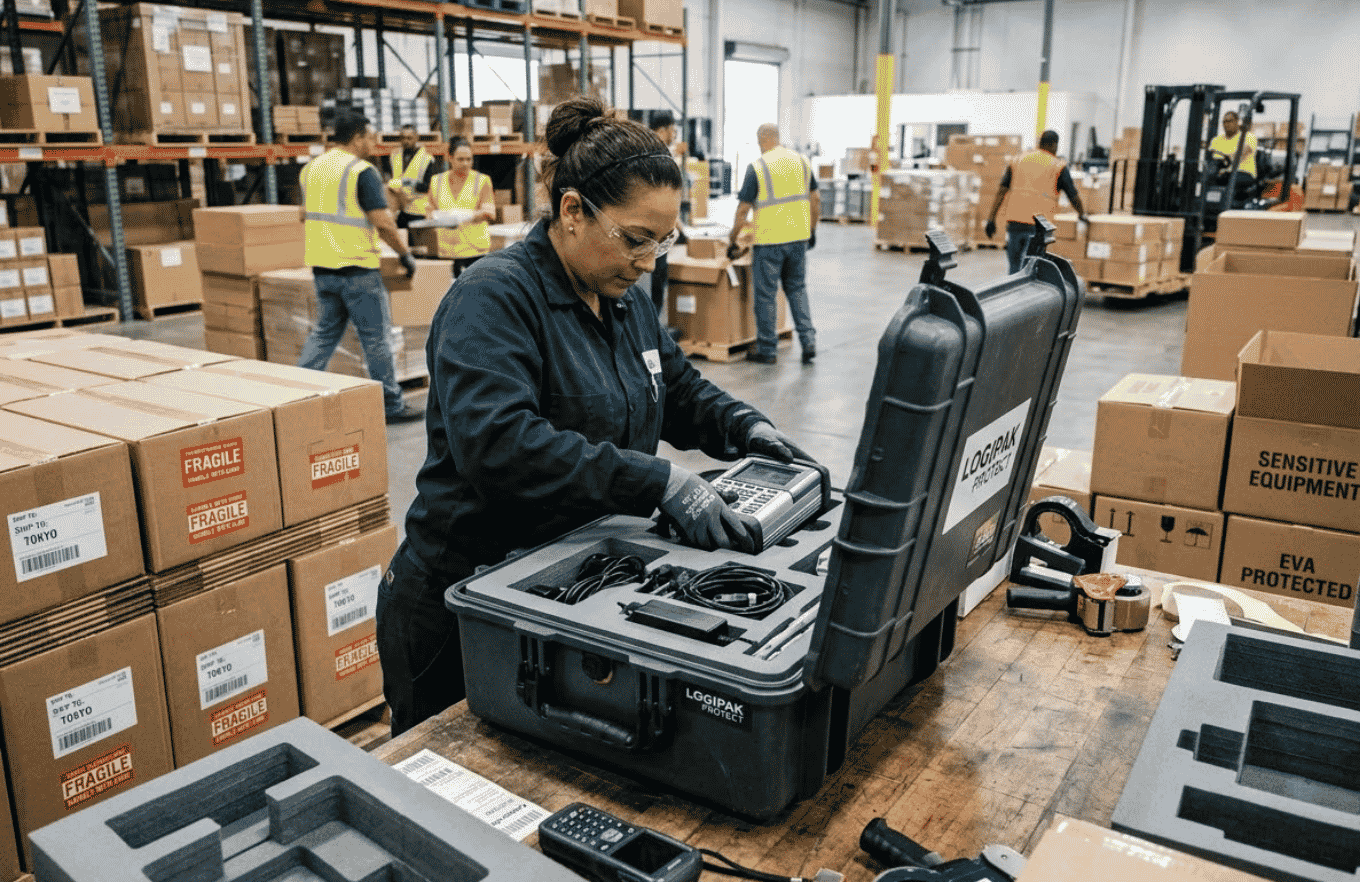
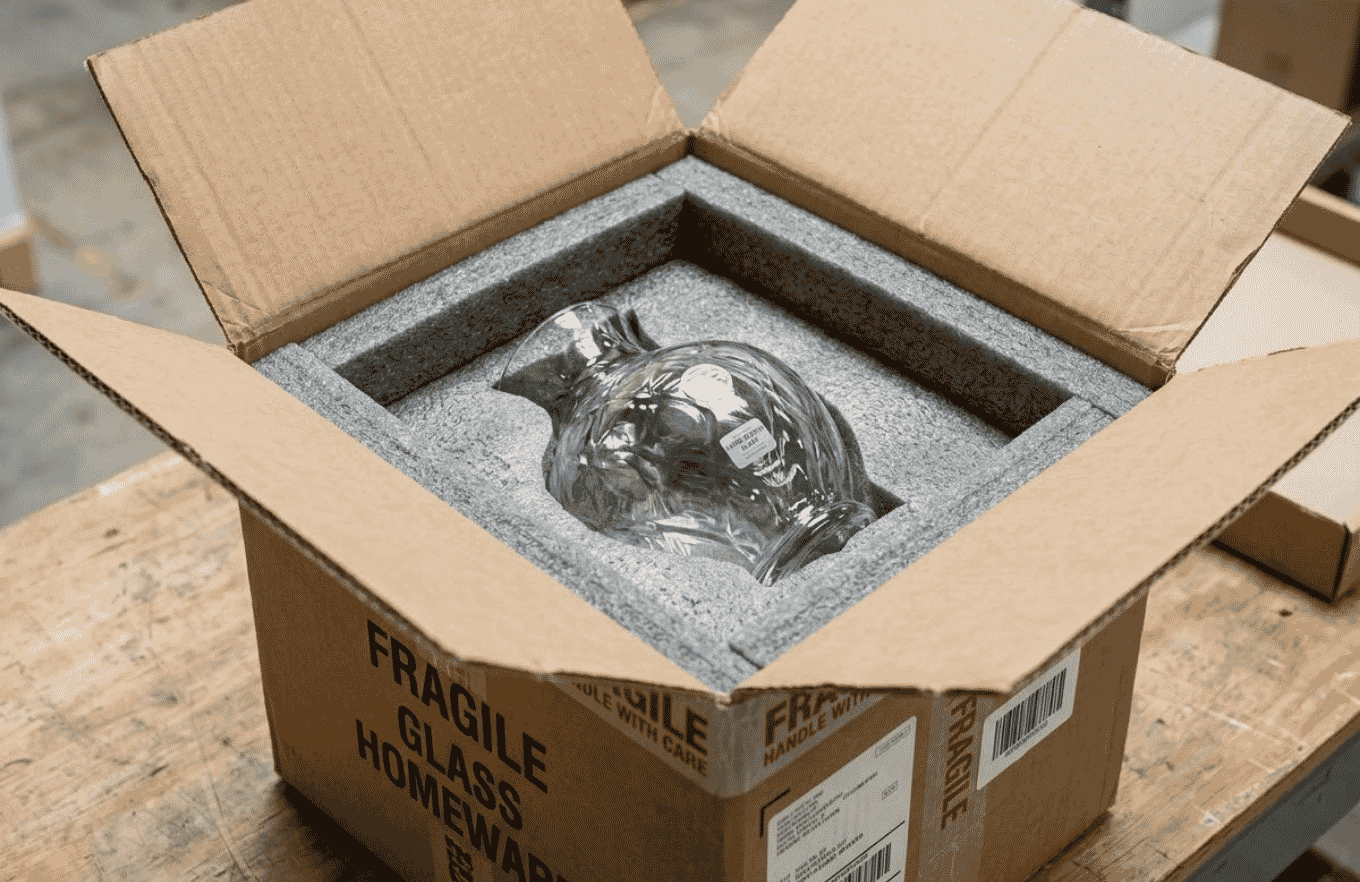
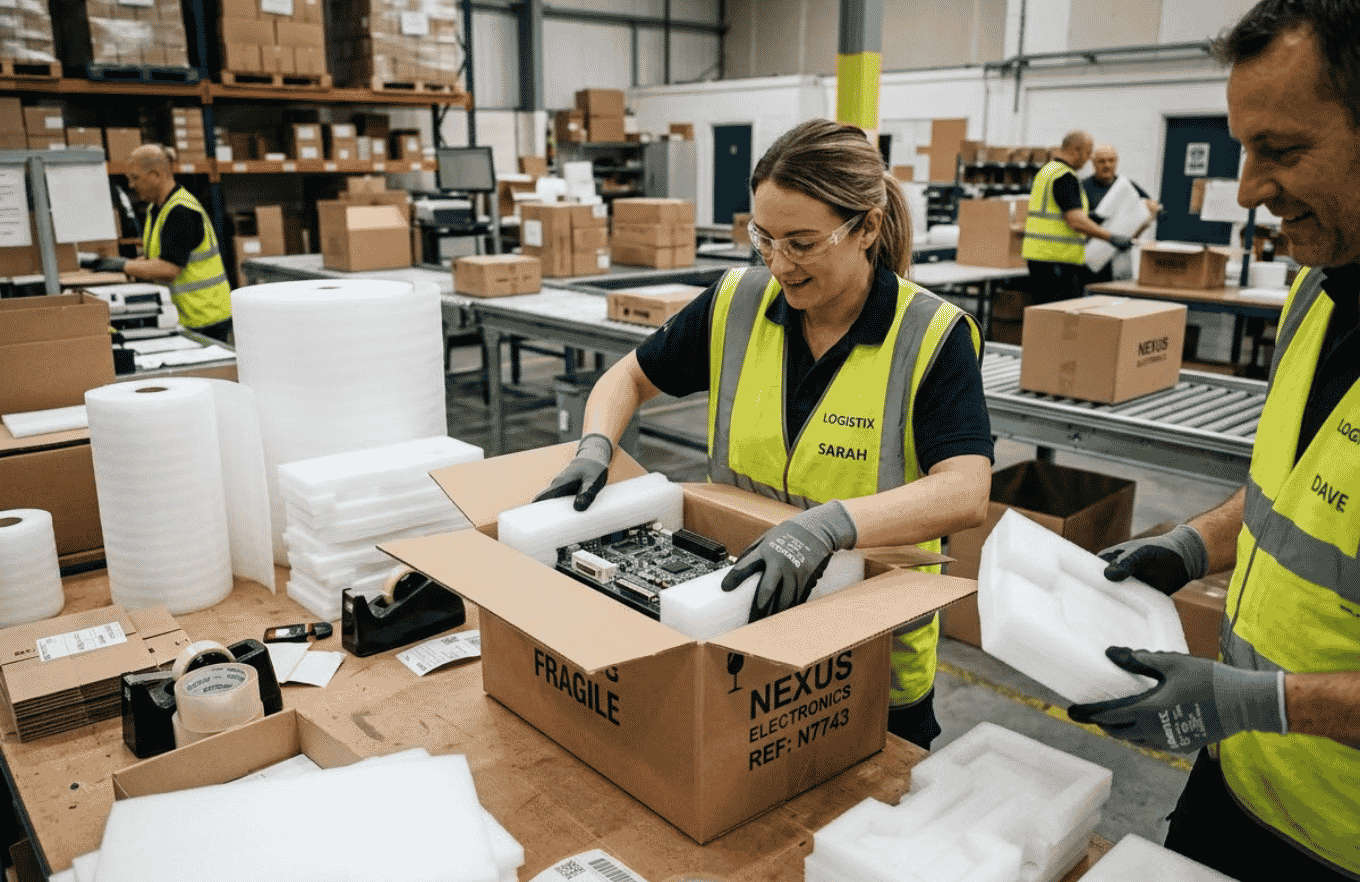
Another major area where LDPE Foam shines is protective packaging. Industries that ship fragile products require materials capable of absorbing shocks and vibrations during transit.
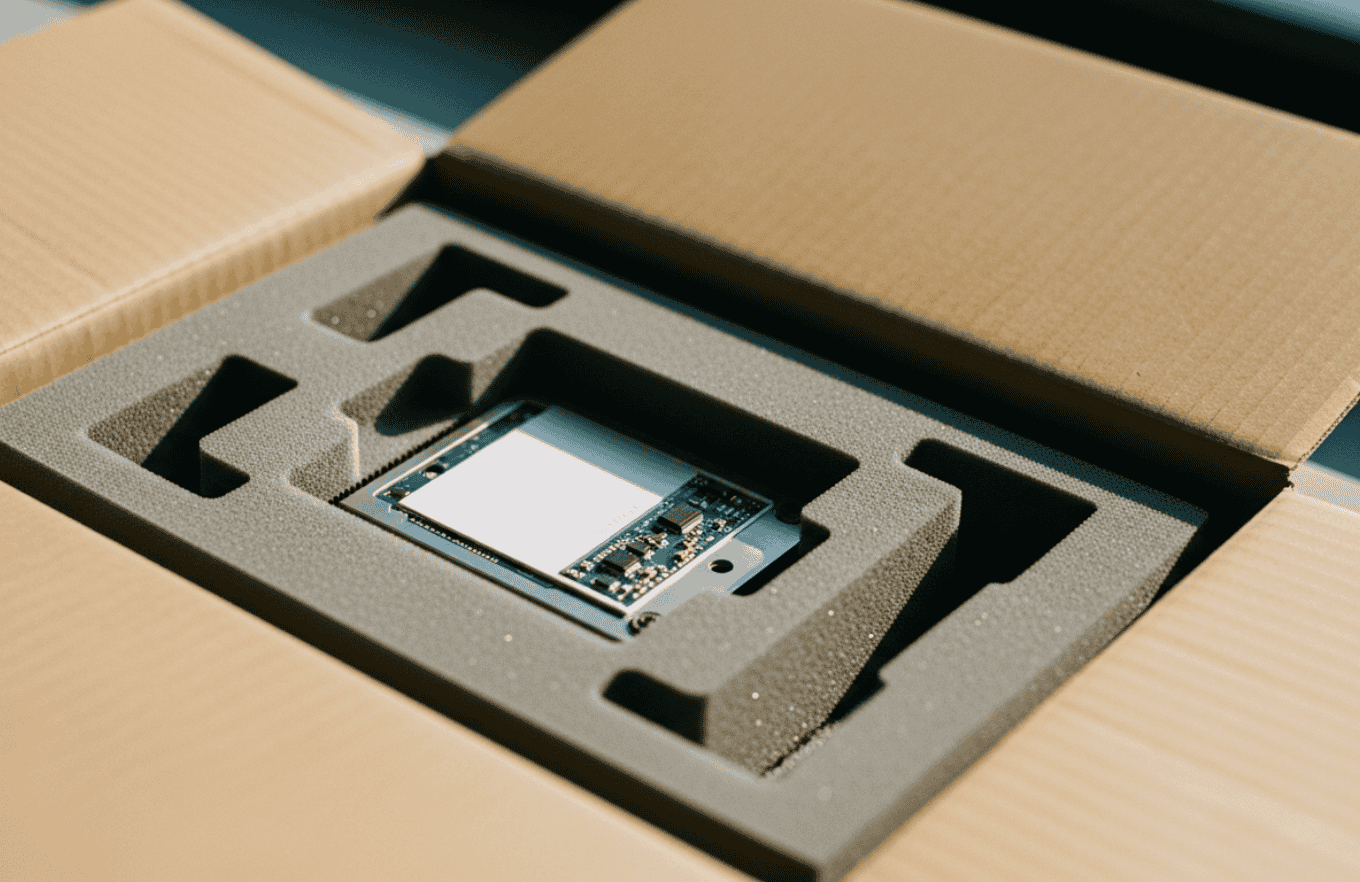
LDPE Foam has become a preferred solution for protecting electronics, automotive components, and precision instruments. Its lightweight structure ensures products remain protected without increasing shipping weight significantly.
Compared with TPE Foam, which is more elastic and flexible, LDPE Foam provides stronger cushioning stability. This means products remain securely positioned during transportation without excessive compression.
Manufacturers often customize foam inserts and packaging layers using LDPE Foam to protect high-value equipment. Global businesses working with Samad Foam benefit from tailored foam solutions designed specifically for export packaging.
In markets across Europe, demand for sustainable and reliable packaging materials continues to grow, and LDPE Foam remains an important option for manufacturers seeking dependable protective solutions.
Think about the journey of a fragile product. From the factory floor to the delivery truck, it experiences vibrations, bumps, and sudden movements. The hero quietly absorbing all that impact is often LDPE Foam, doing its job without being noticed.
Marine environments present unique challenges for materials. Constant exposure to moisture, saltwater, and temperature variations can quickly degrade lower-quality materials.
LDPE Foam performs exceptionally well in marine settings because it resists water absorption and maintains structural stability even in humid conditions. Boat manufacturers frequently use LDPE Foam for flotation components, cushioning panels, and protective insulation layers.
Unlike some foam materials that lose their structural integrity when exposed to water, LDPE Foam maintains its buoyancy and protective characteristics. This makes it a practical solution for marine equipment and vessel interiors.
While TPE Foam may offer additional flexibility, LDPE Foam provides a stronger balance of water resistance and durability, making it more suitable for long-term marine use.
Companies like Samad Foam supply LDPE Foam solutions that support marine manufacturers seeking materials capable of performing under challenging environmental conditions.
• Boat flooring insulation
• Marine equipment cushioning
• Buoyancy support components
• Protective panels for vessel interiors
These applications highlight the adaptability of LDPE Foam across demanding industries.
From HVAC insulation to marine equipment protection, LDPE Foam offers an impressive combination of durability, efficiency, and adaptability.
Industries prefer materials that simplify operations while delivering consistent performance. LDPE Foam meets this demand by providing thermal insulation, shock absorption, and moisture resistance within a single material solution.
While TPE Foam still plays a valuable role in applications requiring flexibility, LDPE Foam remains the practical choice for industries prioritizing structural protection and long-term reliability.
As manufacturing continues evolving, materials like LDPE Foam will remain central to designing safer, lighter, and more efficient industrial systems.
Contact Samad Foam today to explore reliable LDPE Foam solutions engineered for insulation, protection, and performance.
The journey from HVAC systems to marine applications demonstrates just how versatile LDPE Foam truly is. Its ability to provide insulation, cushioning, and moisture resistance allows industries to rely on a single material for multiple performance needs.
Whether protecting delicate electronics during shipping or supporting insulation in large HVAC systems, LDPE Foam continues to prove its value across modern manufacturing sectors.
With trusted suppliers like Samad Foam supporting industries worldwide, businesses can confidently adopt LDPE Foam solutions that deliver durability, efficiency, and long-term performance in demanding environments.
LDPE Foam is widely used in HVAC insulation because its closed-cell structure prevents condensation, reduces heat transfer, and improves energy efficiency in cooling and heating systems.
LDPE Foam works well in marine environments due to its water resistance, buoyancy, and durability, which allow it to maintain performance even in humid or saltwater conditions.
LDPE Foam offers better structural stability and moisture resistance, while TPE Foam provides greater flexibility and elasticity for applications requiring repeated compression.
.svg)

.svg)