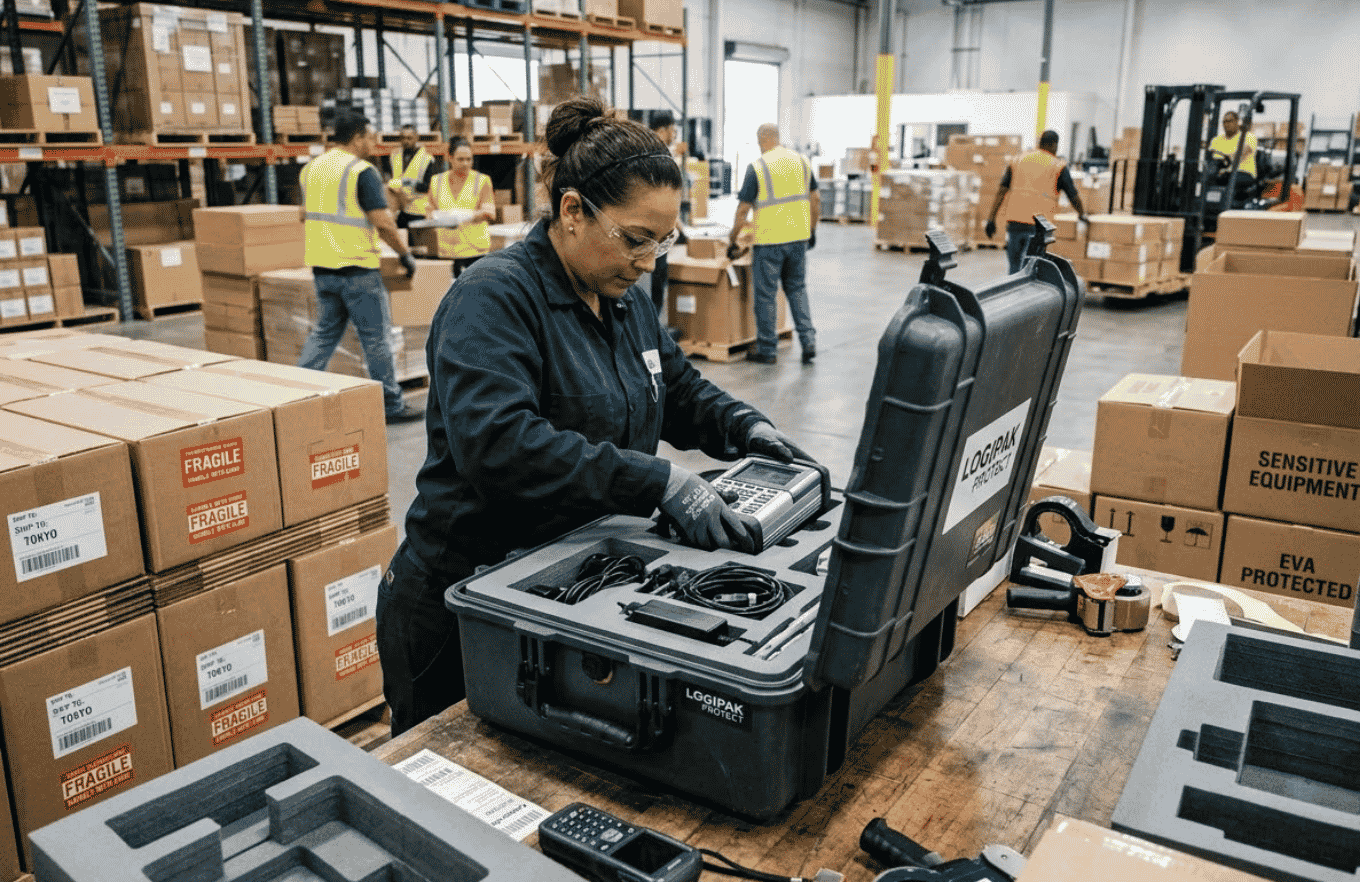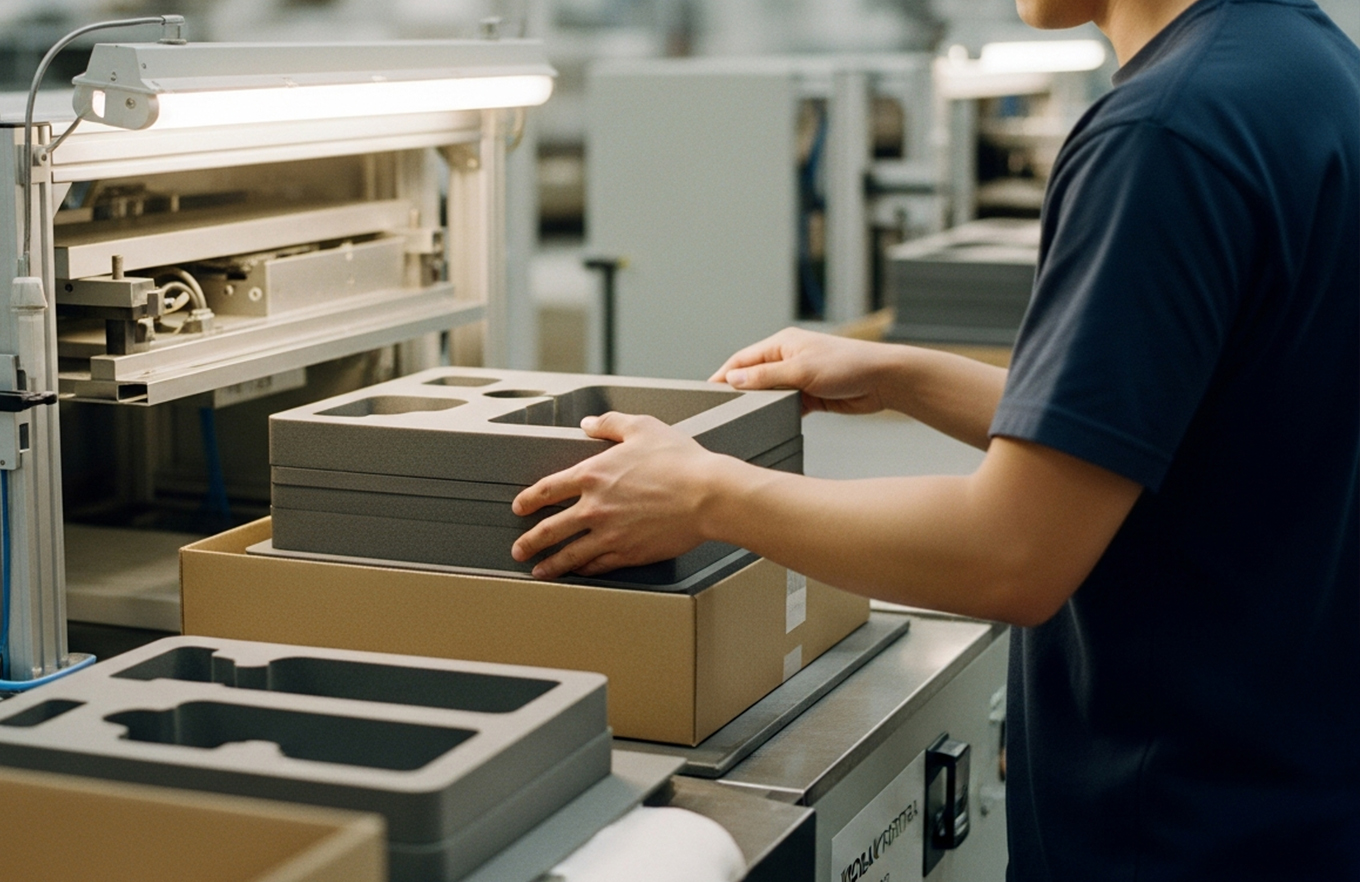
Packaging Foam is an essential material for protecting products during shipping, storage, and handling. Manufacturers across the globe, including the USA and Europe, rely on it to ensure that fragile, high-value, or sensitive goods reach customers intact. However, using Packaging Foam effectively is not always straightforward. Challenges such as improper cushioning, environmental concerns, and material waste can compromise safety, increase costs, and impact sustainability efforts. Recycled Foam provides a valuable alternative, combining eco-friendliness with durability, but it also requires careful handling and correct application. Samad Foam, with years of international experience, offers solutions that help manufacturers navigate these obstacles while maintaining product quality and protecting the environment.
One of the primary issues manufacturers face is selecting the right density and type of Packaging Foam. Using foam that is too soft or too firm can lead to inadequate protection or excessive material costs. Many businesses initially overlook how different products require varying foam properties to absorb shocks effectively.
Another challenge is environmental impact. Traditional Packaging Foam can create significant waste if not properly recycled or reused. This is where Recycled Foam options become valuable. Manufacturers, including Samad Foam, are increasingly integrating recycled materials to reduce their carbon footprint without compromising product protection. This not only satisfies regulatory requirements in Europe but also appeals to eco-conscious customers in the USA.
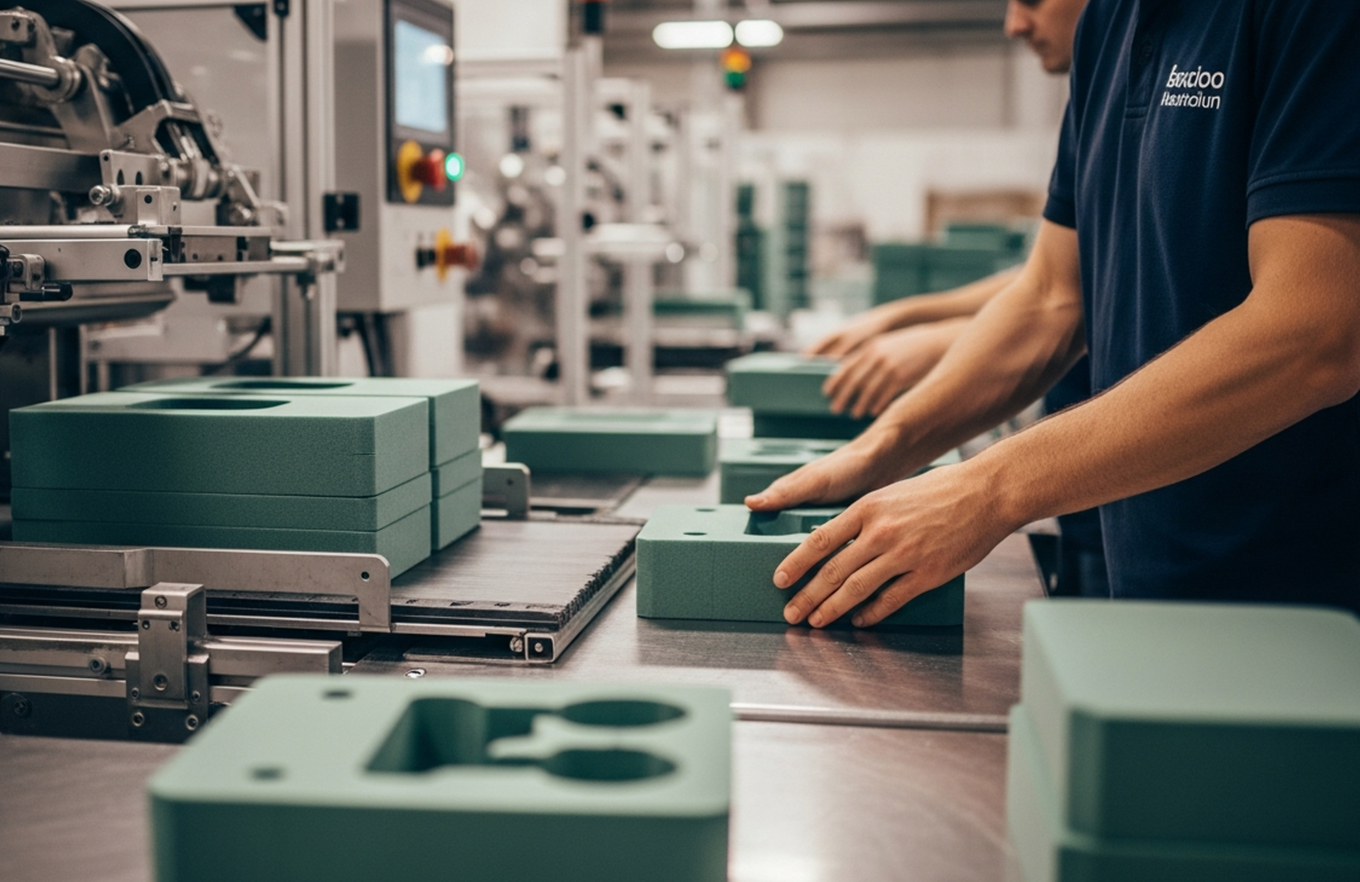
Improper cushioning is a frequent cause of product damage during transit. Many manufacturers underestimate the role of foam thickness and compression resistance. For fragile electronics, glassware, or precision instruments, even minor miscalculations can lead to breakages. Samad Foam advises custom-cut foam inserts and precise density selection to ensure optimal protection. Recycled Foam is especially useful when designed correctly, offering both cost efficiency and environmental benefits.
High-quality Packaging Foam can be expensive, leading some manufacturers to cut corners. Using excess foam increases shipping costs, while insufficient foam raises damage risks. Efficient material management and strategic sourcing from trusted suppliers like Samad Foam help balance cost and performance. Recycled Foam provides a budget-friendly option that still meets industry standards, particularly for bulk shipments. Manufacturers can achieve both savings and sustainability goals with the right approach.
Regulatory pressures in the USA and Europe are pushing manufacturers toward greener packaging solutions. Conventional foam contributes to landfill waste and environmental pollution. Implementing Recycled Foam in production processes can reduce environmental impact significantly. Samad Foam offers tailored solutions to ensure that foam materials are compliant with international standards while maintaining protective qualities. Educating teams on proper disposal, reuse, and recycling practices is also critical for long-term sustainability.
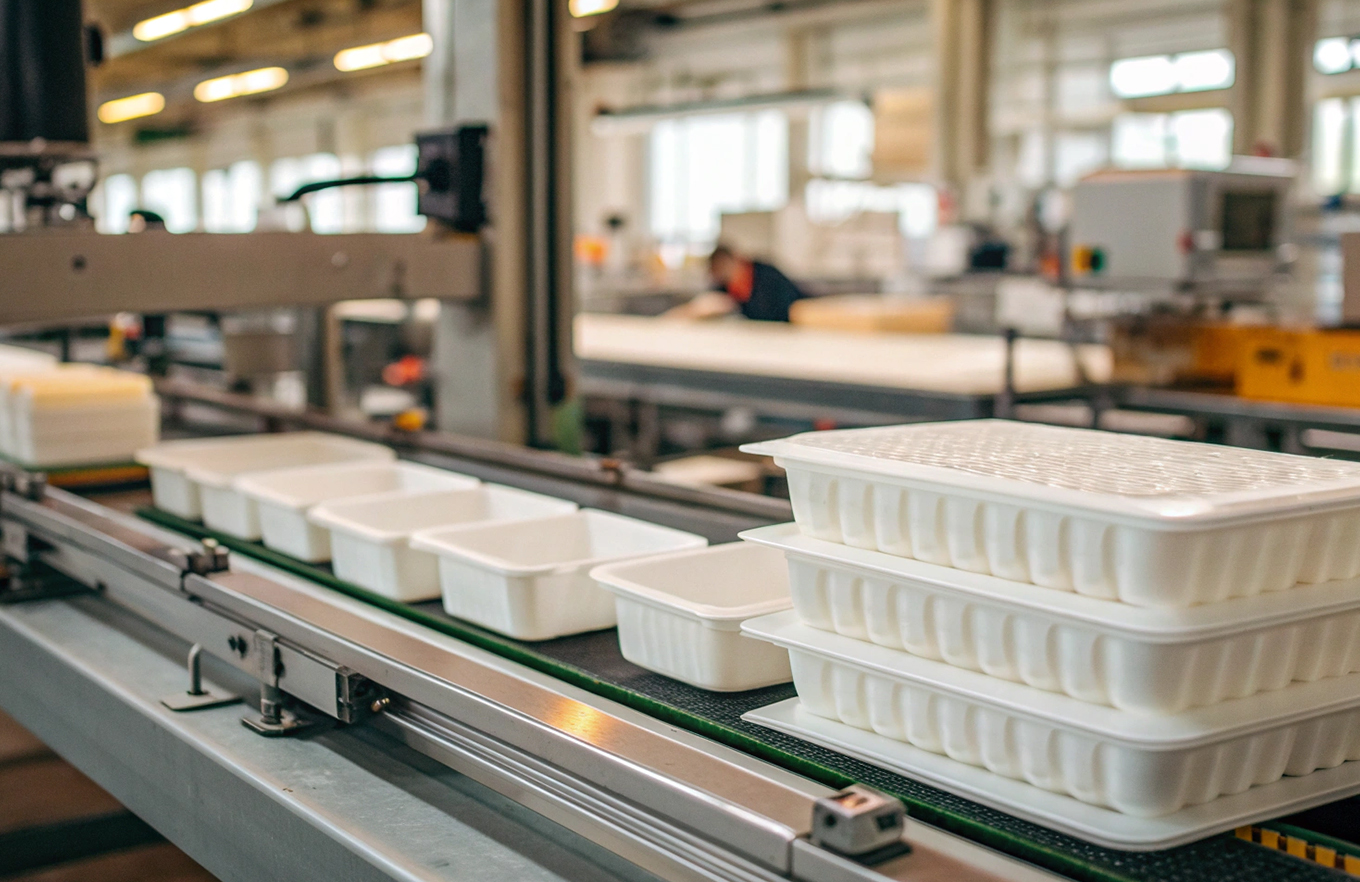
Packaging Foam can be bulky and awkward to store. Poor storage leads to deformation, reduced cushioning capacity, and wasted material. Manufacturers must maintain controlled conditions to preserve foam integrity. Samad Foam provides insights into optimal storage practices, including stacking methods, humidity control, and temperature management, ensuring foam remains reliable for repeated use. Recycled Foam, although sustainable, also requires careful storage to prevent contamination or physical damage.
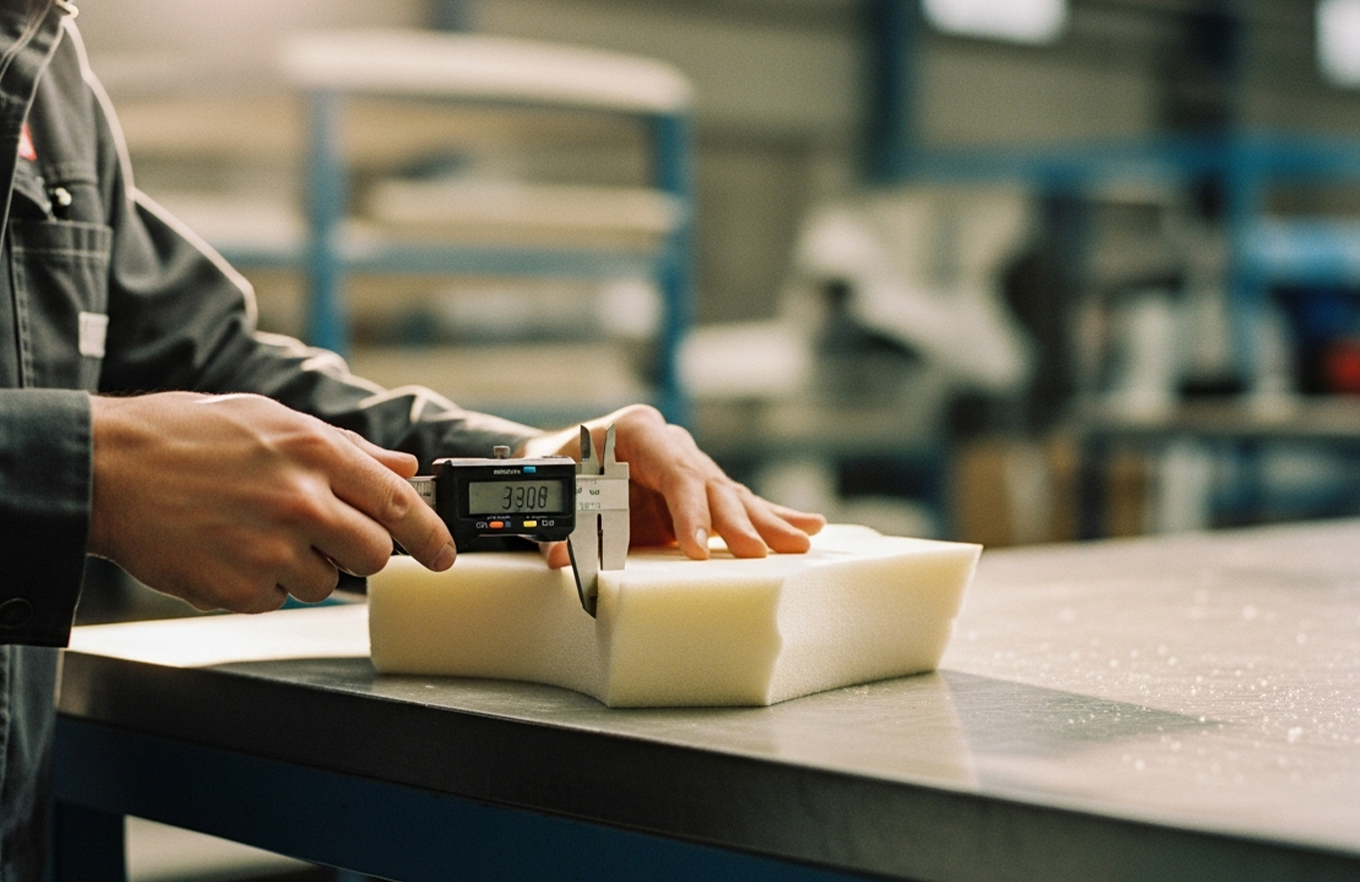
Consistency in foam production is vital. Variations in density, thickness, or compression strength can compromise product protection. Samad Foam emphasizes strict quality checks, both in raw materials and finished products. For international clients in the USA and Europe, consistent foam quality ensures compliance with stringent shipping and safety standards. Recycled Foam must undergo similar quality assurance measures to match the reliability of virgin foam.
Addressing these challenges requires a combination of expertise, technology, and sustainable practices. Samad Foam recommends selecting foam with appropriate density and compression properties for each product type. Using modular or custom-cut foam inserts can improve protection without increasing material use. Recycled Foam should be integrated wherever possible to reduce environmental impact, lower costs, and appeal to eco-conscious markets. Proper storage, handling, and quality control measures further optimize performance, ensuring that both conventional and recycled foam deliver maximum protection.
The future of Packaging Foam involves combining sustainability, performance, and innovation. Eco-friendly Recycled Foam is becoming standard in Europe, while advanced foam materials are gaining traction in the USA for high-tech and fragile goods. Samad Foam continues to innovate by offering internationally compliant foam solutions, balancing durability, cost efficiency, and environmental responsibility. Manufacturers who adopt these forward-looking practices will enjoy reduced waste, better protection, and a stronger brand reputation.
Packaging Foam is indispensable for modern manufacturing and shipping, but challenges like improper cushioning, cost management, and sustainability must be addressed. With the expertise of Samad Foam and the intelligent use of Recycled Foam, businesses can solve these issues efficiently. By investing in quality materials, proper handling, and sustainable practices, manufacturers can ensure product safety, reduce environmental impact, and maintain a competitive advantage in international markets.
Contact Samad Foam today to learn how our packaging foam solutions enhance protection and sustainability effectively.
High-density and custom-cut Packaging Foam provide optimal cushioning, with Recycled Foam offering eco-friendly alternatives without compromising protection.
Implementing Recycled Foam, optimizing material usage, and following proper storage practices significantly reduce foam waste.
Yes, with quality control and proper design, Recycled Foam delivers comparable durability and cushioning for industrial and consumer applications.
.svg)

.svg)