If you’re working on a product design, packaging solution, or insulation project, you’ve probably come across LDPE Foam. Known for its flexibility, strength, and cushioning properties, LDPE Foam is one of the most trusted materials across industries, from construction and automotive to healthcare and electronics. But before you choose it for your next big project, it’s important to understand what makes it special, how it compares to alternatives like TPE Foam, and when it’s the best fit for your needs.
At Samad Foam, we’ve been helping industries across Europe and beyond find the right foam solutions for decades. Let’s explore what you should know before selecting LDPE Foam for your project and how it can add both performance and value to your design.
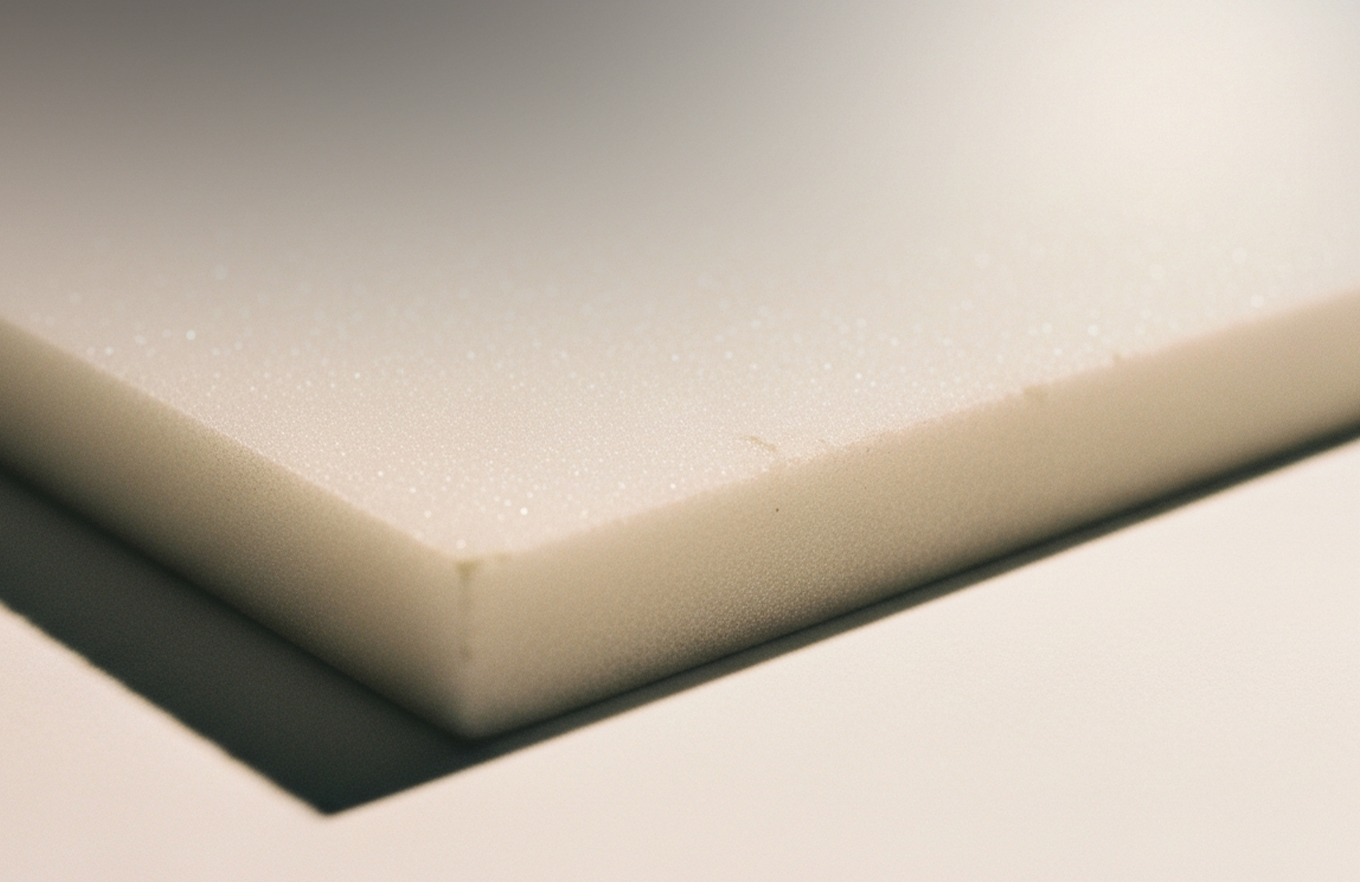
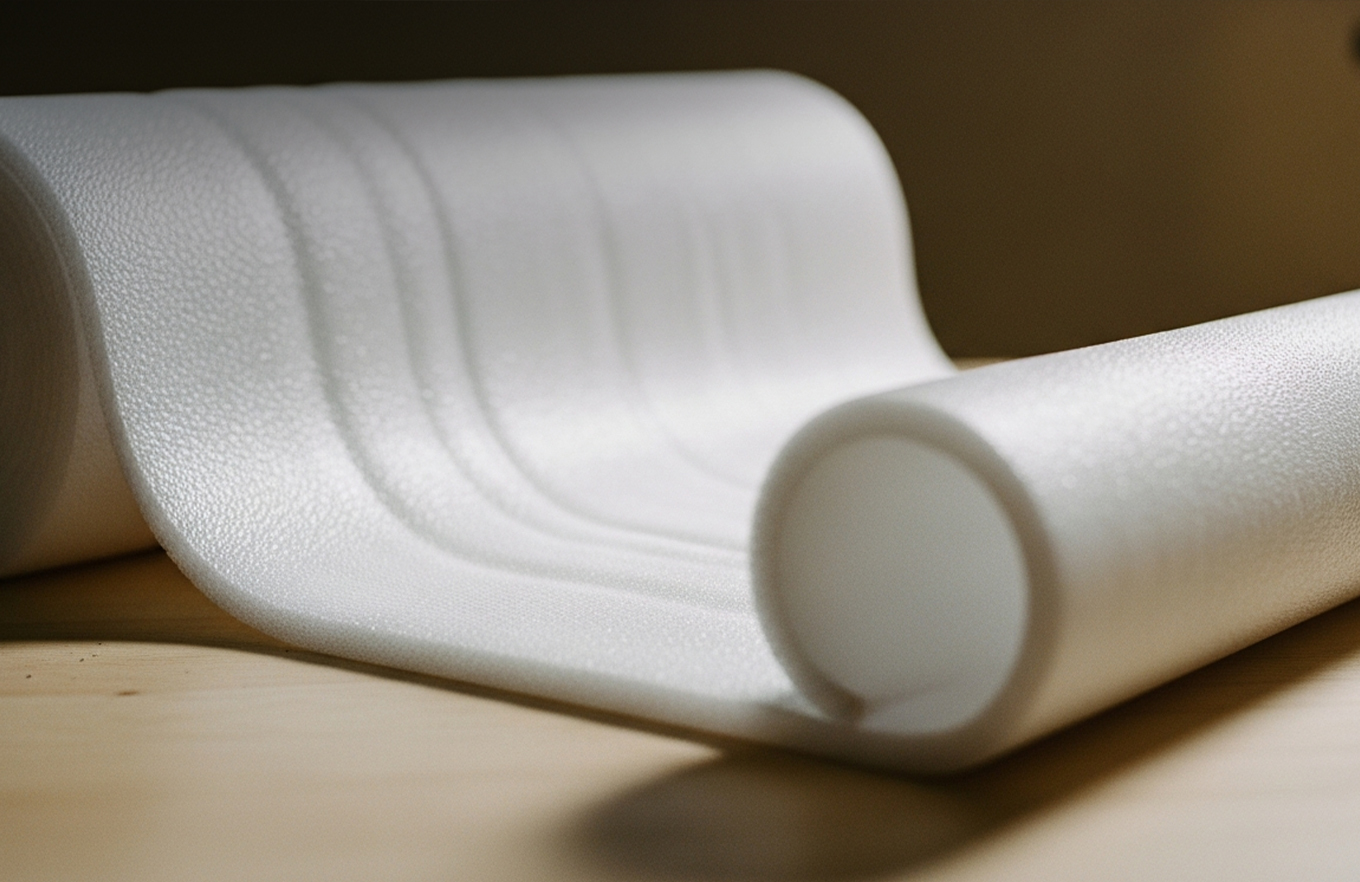
LDPE Foam, short for Low-Density Polyethylene Foam, is a lightweight, closed-cell material known for its flexibility and resilience. It offers a fine balance between softness and durability, which makes it ideal for shock absorption, thermal insulation, and packaging. Because of its cellular structure, LDPE Foam doesn’t absorb moisture easily, ensuring long-lasting performance even in humid conditions.
Samad Foam produces LDPE Foam using advanced extrusion techniques, creating consistent density and cell structure. This level of precision is what makes LDPE Foam an excellent choice for projects that demand consistent performance. Whether it’s cushioning delicate instruments or insulating construction panels, its adaptability is unmatched.
Choosing the right material can make or break your project. LDPE Foam stands out because it combines durability with cost-effectiveness. It’s resistant to chemicals, oils, and temperature fluctuations, qualities that make it reliable in industries ranging from packaging and sports equipment to healthcare applications.
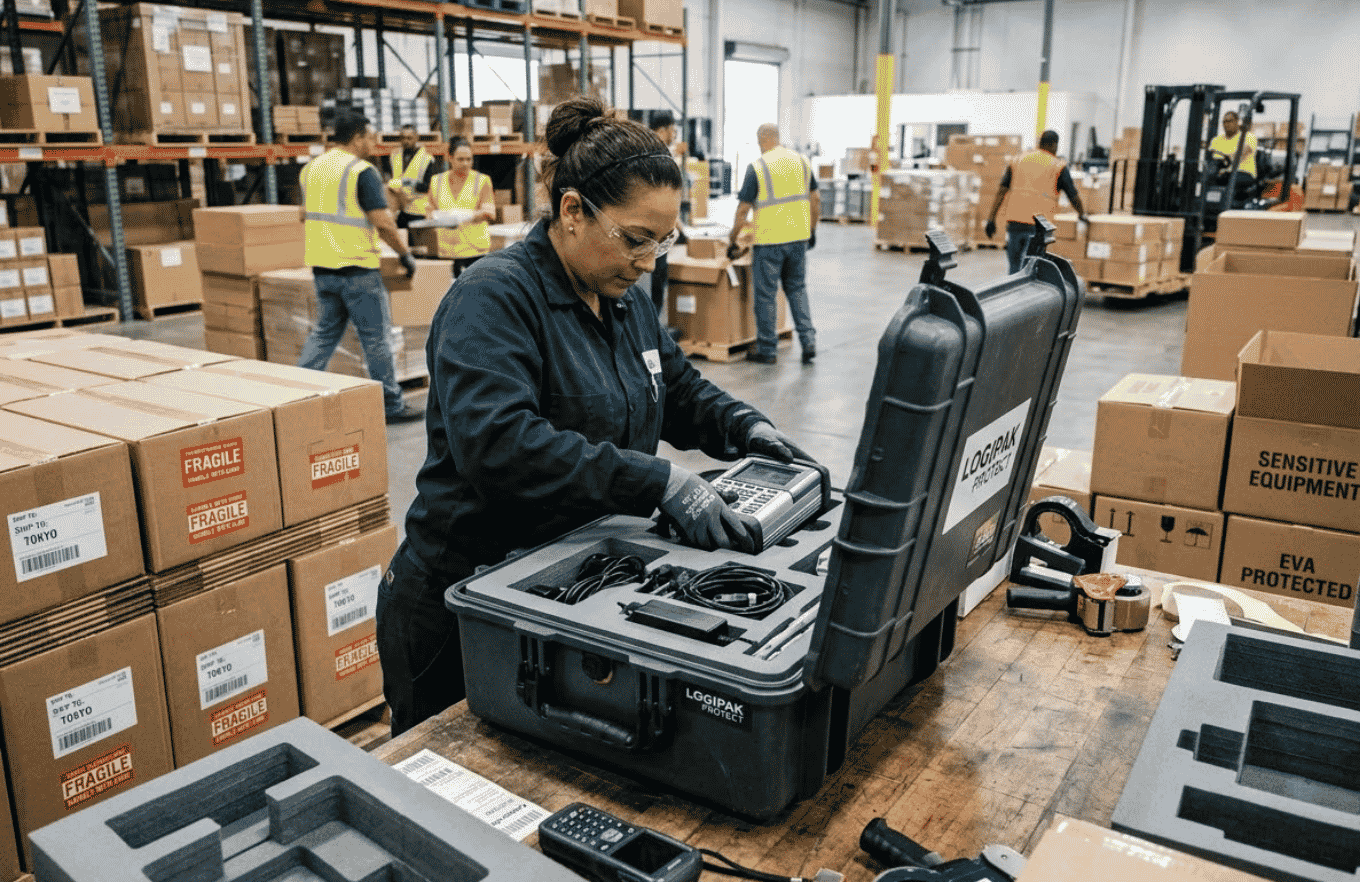
Samad Foam provides customized LDPE Foam solutions for clients in the USA, tailoring density and thickness to meet specific performance goals. Whether you’re designing packaging for sensitive electronics or cushioning for automotive interiors, LDPE Foam adapts seamlessly to both small-scale and industrial requirements.
While LDPE Foam and TPE Foam often share similar applications, their characteristics differ in key areas. LDPE Foam is generally softer, lighter, and more affordable, making it ideal for packaging and insulation. TPE Foam (Thermoplastic Elastomer Foam), on the other hand, provides greater elasticity and higher temperature resistance, which is beneficial in automotive and sports gear applications.
Think of LDPE Foam as your go-to for lightweight, budget-friendly solutions that don’t compromise on performance, while TPE Foam is the tough competitor for environments where flexibility and heat endurance are a must. Many of Samad Foam’s clients combine both materials strategically, depending on product design and end-user needs.
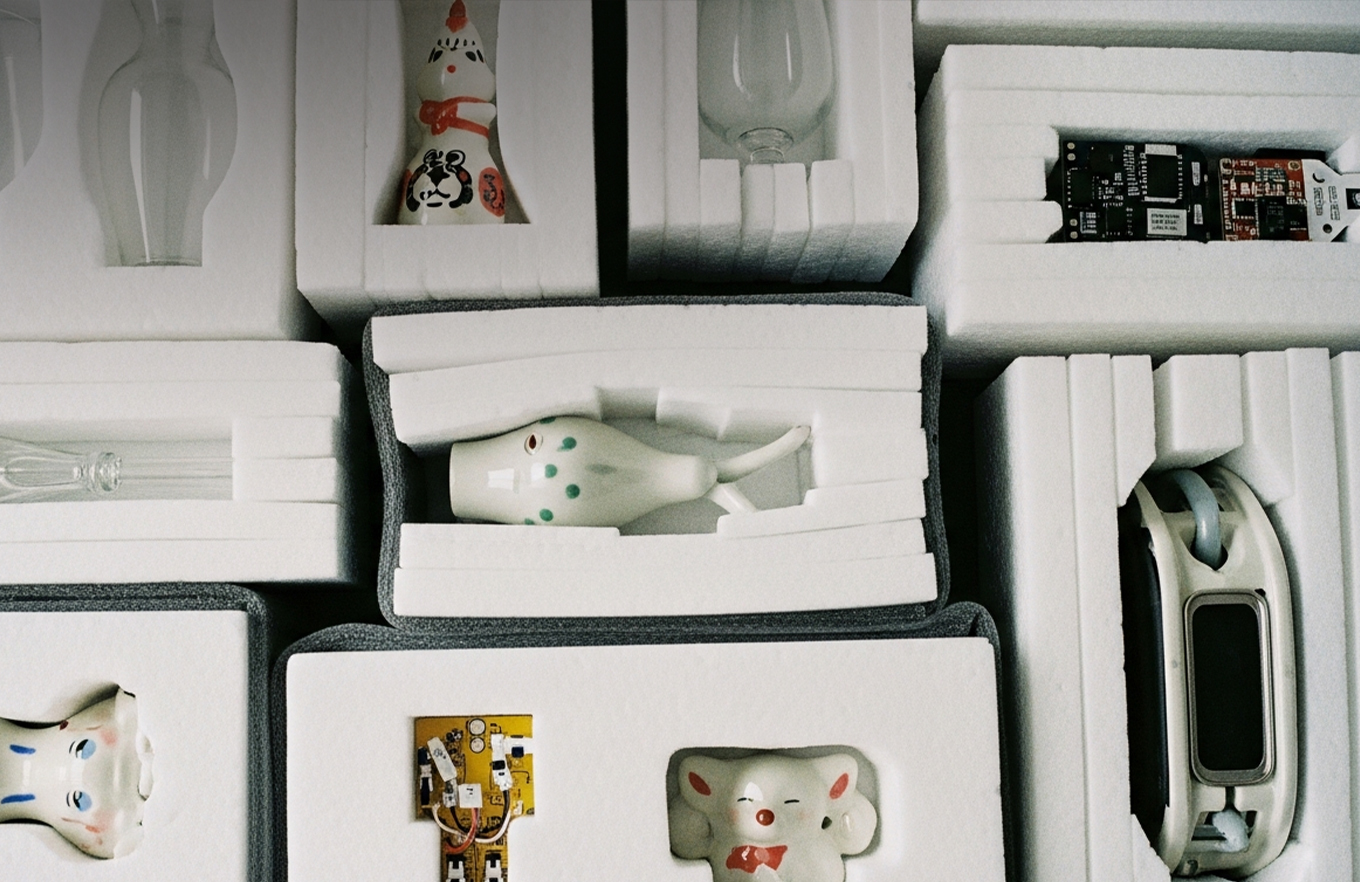
LDPE Foam is incredibly versatile, and that’s one reason why industries rely on Samad Foam to supply it worldwide. You’ll find it everywhere, from protective packaging and sports mats to construction insulation and healthcare supports.
In packaging, its cushioning ability protects products during transit, reducing damage rates significantly. In construction, its insulation qualities help regulate temperature and minimize energy loss. The automotive industry uses it for padding, vibration control, and interior fittings, offering both safety and comfort.
Even in creative sectors, LDPE Foam finds use in displays, craft projects, and soundproofing panels. Its adaptability and smooth surface make it easy to work with, allowing designers to experiment freely.
Before making the final call, evaluate your project’s requirements carefully. Consider the density you need, the exposure to temperature or moisture, and the expected durability. For example, lightweight foam works well for packaging electronics, while higher-density foam is preferred for insulation panels or protective pads.
Another important factor is recyclability. LDPE Foam is 100% recyclable, making it an environmentally responsible choice. Samad Foam ensures all its production processes align with sustainability goals, allowing you to achieve performance without harming the planet.
If your design involves flexibility, soft touch, or resilience under stress, TPE Foam could complement LDPE Foam in hybrid applications. Some manufacturers use both materials to create balanced, high-performing composites that meet modern design demands.
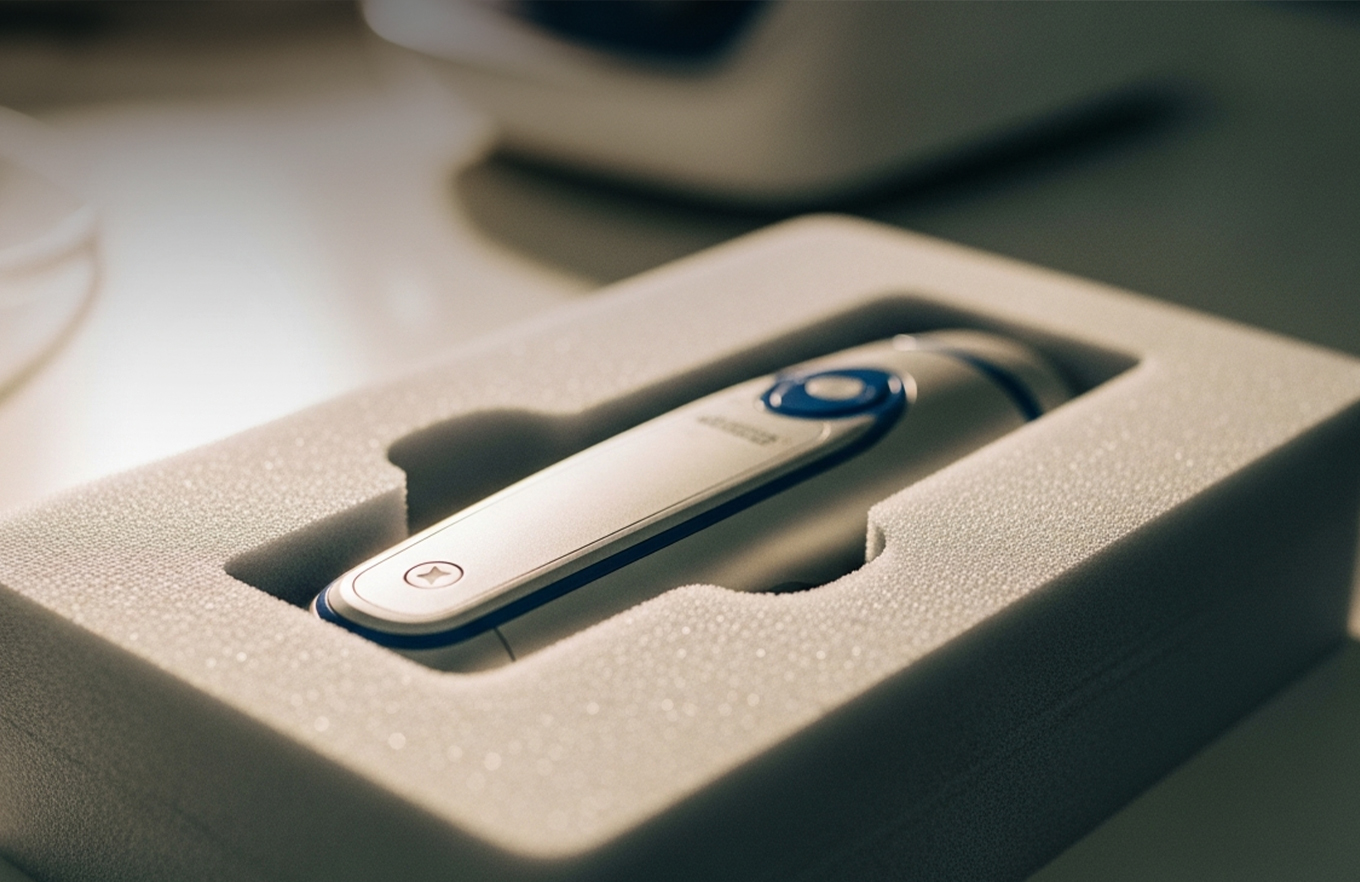
Beyond practicality, LDPE Foam enhances the quality and user experience of your product. It absorbs impact, reduces vibration, and feels soft to touch, all while maintaining its structure over time. Its lightweight nature cuts shipping costs and simplifies handling during production.
Samad Foam’s clients in Europe particularly appreciate how easy LDPE Foam is to fabricate; it can be cut, laminated, or thermoformed to exact dimensions without losing its properties. This versatility means faster turnaround and smoother integration into existing production lines.
In essence, LDPE Foam brings together three winning factors: adaptability, affordability, and performance. That’s why it’s becoming the go-to material for engineers, manufacturers, and designers worldwide.
Looking for high-quality LDPE Foam or TPE Foam for your next project? Contact Samad Foam today to get expert guidance and tailored foam solutions designed for your industry needs.
Choosing LDPE Foam for your project isn’t just a materials decision; it’s a strategic one. Its balance of strength, flexibility, and cost efficiency makes it ideal for diverse industrial applications. When paired with insights from experienced manufacturers like Samad Foam, you can ensure the foam you choose performs exactly as your project demands. Whether you’re working in packaging, construction, or product design, LDPE Foam stands out as a dependable, sustainable, and high-value choice.
Not necessarily. LDPE Foam is ideal for lightweight cushioning and insulation, while TPE Foam offers better flexibility and higher temperature resistance. The best choice depends on your project’s environment and usage.
Yes, LDPE Foam is fully recyclable. Many manufacturers, including Samad Foam, follow eco-conscious production standards to minimize waste and promote material reuse.
LDPE Foam is widely used in packaging, automotive, construction, and healthcare industries. Its versatility and durability make it suitable for any project requiring reliable cushioning and insulation.
.svg)

.svg)