EVA Foam plays a critical role in manufacturing industries where comfort, durability, and consistency matter. From flooring to protective applications, manufacturers depend on EVA Foam to deliver performance under pressure. Yet, many production issues begin with poor material selection rather than flawed design or machinery. In this article, we examine the most common mistakes manufacturers make when choosing EVA Foam and why these errors can affect product quality, cost efficiency, and customer satisfaction. Whether you are producing high-impact components or comfort-focused products, understanding how EVA Foam behaves in real-world conditions is essential. With global suppliers like Samad Foam serving manufacturers in Europe and the USA, informed material decisions have never been more important.
One of the most common errors manufacturers make is selecting EVA Foam without fully considering density requirements. EVA Foam density directly affects compression resistance, shock absorption, and long-term durability. Choosing foam that is too soft can lead to premature deformation, while overly dense foam may compromise comfort and flexibility.
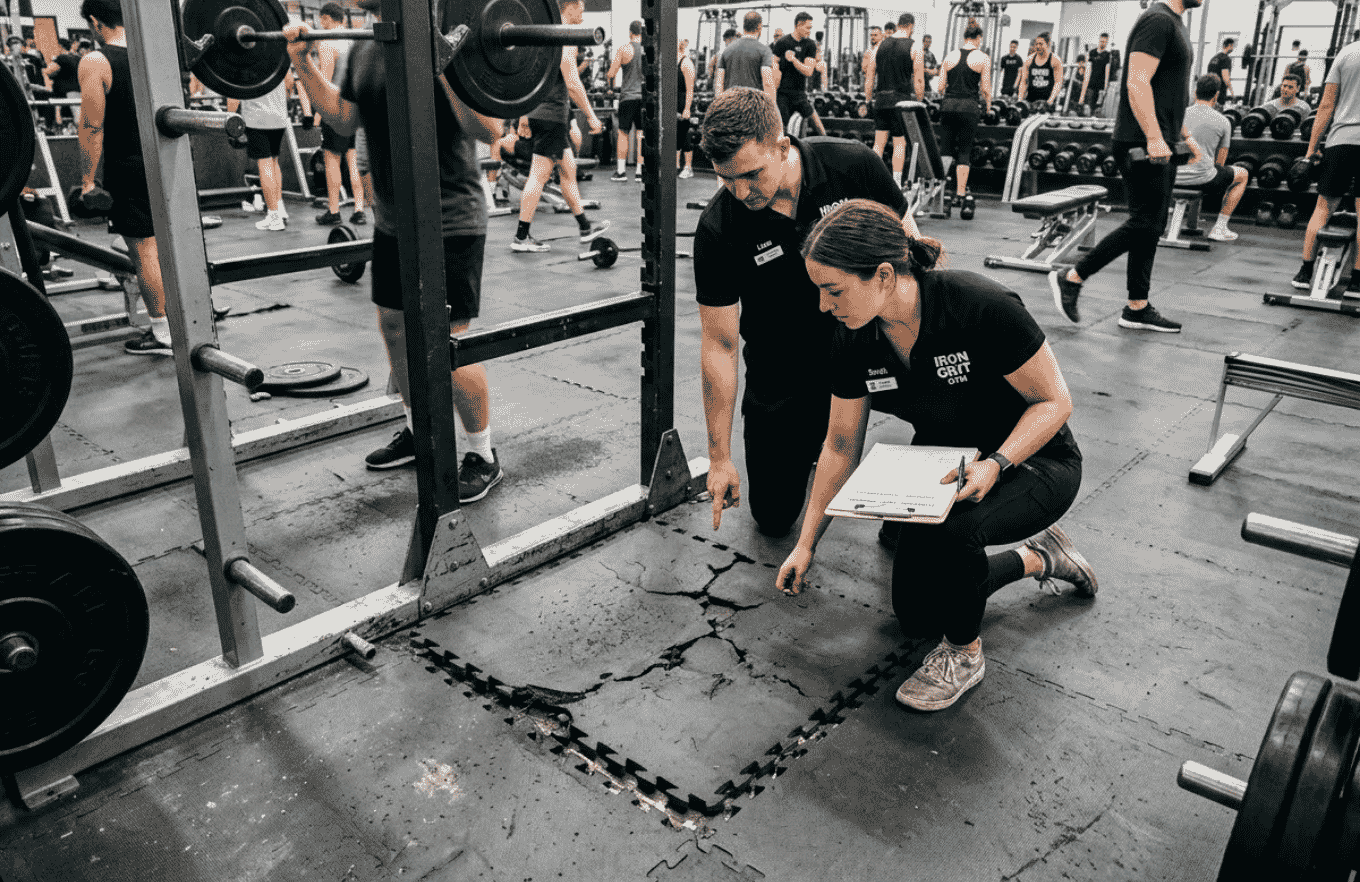
Manufacturers producing EVA Mats for fitness, industrial flooring, or recreational use often underestimate how density influences performance over time. Inconsistent density can result in uneven wear, customer complaints, and higher return rates. Experienced suppliers like Samad Foam help manufacturers match foam density precisely to application needs, ensuring optimal performance across diverse environments, including high-traffic commercial settings in the USA.

Another critical mistake is failing to account for environmental exposure. EVA Foam performs differently depending on temperature, humidity, and usage intensity. Manufacturers that overlook these factors often face cracking, shrinkage, or surface degradation.
For EVA Mats used in gyms, factories, or outdoor spaces, resistance to moisture and temperature variation is essential. EVA Foam designed for indoor applications may not withstand industrial or semi-outdoor conditions. Samad Foam works closely with manufacturers across Europe to supply EVA Foam formulations suited to specific climates and operating environments, reducing long-term product failure and maintenance costs.

Cost-driven decisions often lead manufacturers to compromise on material consistency. While lower-priced EVA Foam may seem attractive initially, inconsistent cell structure and uneven thickness can create production challenges and quality issues.
Consistency is especially critical when producing EVA Mats at scale. Variations in foam thickness affect product alignment, bonding strength, and visual appeal. Over time, this inconsistency damages brand reputation and customer trust. Manufacturers partnering with reliable suppliers such as Samad Foam benefit from consistent EVA Foam quality that supports streamlined production and repeatable results, especially for large-volume orders in the USA market.
A compression set is a key performance indicator often ignored during material selection. EVA Foam with poor recovery properties loses its shape after repeated use, leading to flattened surfaces and reduced cushioning.
This issue is particularly problematic in EVA Mats used for fitness, safety flooring, and ergonomic applications. End users expect resilience and long-term comfort, not materials that degrade quickly. High-quality EVA Foam maintains its structure even after extended compression cycles. Samad Foam focuses on producing EVA Foam that balances softness with resilience, ensuring mats retain performance throughout their lifecycle.

Manufacturers often select EVA Foam without considering how the material quality reflects their brand promise. Products positioned as premium or professional-grade must be supported by materials that meet those expectations.
Using substandard EVA Foam undermines marketing claims and leads to customer dissatisfaction. For manufacturers supplying EVA Mats to international markets, including Europe, material quality becomes a differentiator. Samad Foam supports brands by delivering EVA Foam that aligns with high-performance standards, helping manufacturers maintain credibility and long-term market positioning.
Beyond material specifications, supplier expertise plays a major role in successful EVA Foam selection. Manufacturers benefit from working with suppliers who understand application challenges, regulatory requirements, and performance expectations.
Samad Foam provides technical guidance, quality assurance, and customization options, enabling manufacturers to avoid costly mistakes and optimize product outcomes. This collaborative approach supports innovation while reducing production risks across global markets.
Selecting the right EVA Foam is not just a material decision; it is a strategic choice that impacts product performance, brand reputation, and customer satisfaction. From density miscalculations to overlooking environmental conditions, each mistake carries long-term consequences. Manufacturers producing EVA Mats and other EVA Foam-based products must prioritize consistency, durability, and supplier expertise. By working with trusted partners like Samad Foam, manufacturers in the USA and Europe can confidently avoid these common pitfalls and build products designed for performance, longevity, and market success.
Contact Samad Foam today to get expert guidance and premium EVA Foam solutions tailored for manufacturing success.
The ideal EVA Foam density depends on application, usage intensity, and comfort requirements, making expert consultation essential.
High-quality EVA Foam maintains shape, resilience, and comfort over time, reducing returns and improving customer satisfaction.
Yes, Samad Foam supplies consistent, high-quality EVA Foam to manufacturers across Europe, the USA, and other global markets.
.svg)

.svg)