A skilled yoga mat manufacturer today doesn’t simply produce mats. They engineer comfort, safety, and performance with precision. The rise of EVA mats has pushed manufacturers to rethink traditional padding methods and bring in smarter, more refined techniques that reshape user experience. After all, EVA technology changed what people expect from flexibility, density, and cushioning. A yoga mat manufacturer that wants to thrive in global markets has to master modern padding methods, whether serving customers in the USA or supplying bulk shipments to Europe. Companies like Samad Foam have shown how innovation in EVA padding can redefine market standards and inspire new design possibilities. This shift sets the tone for a more advanced, user-focused manufacturing process.
Before innovative padding techniques get innovative, understanding the nature of EVA mats is essential. These mats are known for their shock absorption, compression resistance, and lightweight structure. A yoga mat manufacturer works with EVA because it offers a balance between firmness and softness that users want during yoga, Pilates, or general fitness. Samad Foam, with its consistent quality, highlights how EVA padding makes movement safer without weighing the mat down. EVA offers a closed-cell structure, which keeps water and sweat from soaking into the mat. This means smarter padding isn’t just about thickness. It’s about precision engineering that controls density, impact absorption, and long-term stability.

One of the most advanced tasks for any yoga mat manufacturer is getting density right. EVA is versatile, but if the density shifts too much in production, the mat will either feel too hard or too unstable. Samad Foam often emphasizes how consistent density ensures balanced body support. Manufacturers use controlled molding and regulated blowing agents to maintain even density across the mat, avoiding thin spots or firmness inconsistencies. This step is essential because users expect a reliable feel every time they roll out the mat.
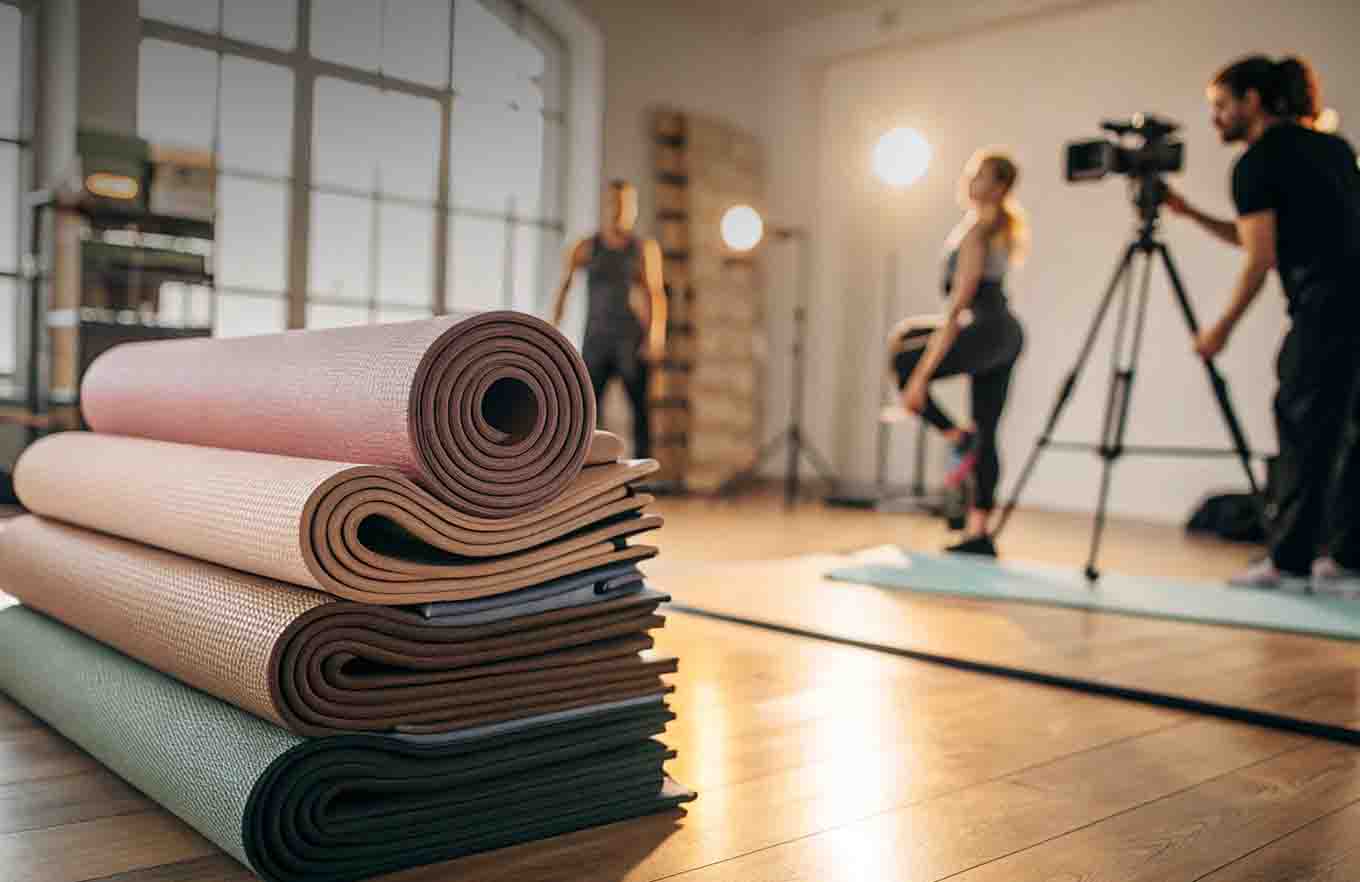
After density comes shaping. A yoga mat manufacturer uses precision cutting machines to create smooth edges that prevent peeling, splitting, or uneven rolling. EVA mats respond well to hot-knife and rotary cutting methods that preserve the foam’s integrity. The cleaner the cut, the longer the mat maintains its structure, especially during rough or frequent use. Manufacturers that export to Europe often prioritize advanced trimming, as customers expect neat seams and flawless finishing. Samad Foam has consistently met these expectations with its premium-grade EVA foam.
Some of the best-performing mats rely on multi-layer construction. A yoga mat manufacturer integrates different EVA layers to achieve stability and prevent the mat from bottoming out during deep stretches. Unlike single-layer mats that flatten quickly, multi-layer EVA mats maintain rebound. Heat bonding ensures layers fuse naturally without using harsh adhesives. When padding is layered properly, the mat delivers a grounded, supportive feel even on studio floors. This method is widely adopted for mats distributed across the USA, where users expect athletic-grade stability.
Grip matters as much as padding. A yoga mat manufacturer uses smart texturing techniques such as wave patterns, diamond embossing, and micro-ridges to increase traction. EVA mats respond perfectly to these textures because their structure allows deep imprinting without tearing. The right texture supports stability in poses like downward dog or warrior. Manufacturers highlight that this part of the process blends artistry with engineering. Samad Foam has contributed to this field by supplying EVA sheets that respond well to textured molding.
Heat treatment is one of the most underrated techniques in EVA foam padding. A yoga mat manufacturer uses heat curing to stabilize the foam, strengthen the cells, and reduce premature wear. Proper heat treatment prevents shrinkage and ensures that EVA mats keep their shape even after prolonged use. This technique supports both firmness and flexibility, helping the mat stay tough without losing comfort. It also gives the final product a refined feel and longer lifespan.
Today, many customers prefer eco-conscious brands, and manufacturers must adjust their padding processes accordingly. EVA remains one of the most sustainable foam types compared to other synthetic options because of its low toxicity and recyclability. A yoga mat manufacturer that adopts low-waste cutting, smart resource allocation, and recycling systems aligns better with market expectations. Europe particularly values such sustainability standards, and brands like Samad Foam continue meeting these global criteria.
Contact us today to explore advanced EVA mat solutions crafted with precision padding and expert engineering.
Smarter padding techniques are shaping the future of EVA mats and elevating how a yoga mat manufacturer serves modern users. The combination of density control, heat treatment, multi-layer construction, and innovative texturing ensures that EVA mats stay stable, comfortable, and durable. As the wellness and fitness industry evolves, so does the demand for refined padding methods that support intense performance without compromising comfort. Manufacturers like Samad Foam reflect how quality EVA engineering can push the entire market forward.
Manufacturers typically choose between 6mm to 10mm, depending on user comfort, performance needs, and where the mats will be used.
EVA offers superior shock absorption, a softer feel, and better temperature stability, which makes the padding more comfortable.
With proper density and heat treatment, EVA mats often last several years without losing structure.
.svg)

.svg)