Buoyant foam is becoming a favourite material among designers who want to create lighter, stronger, and more sustainable products. As modern industries move toward performance-driven innovation, buoyant foam stands out for its ability to combine strength with reduced weight.
Now, it seems clear why buoyant foam matters so much for today’s product engineers. From packaging applications to high-performance structural components, the material plays a bigger role than many expect. Whether paired with recycled foam or used independently, its versatility enables designers to push boundaries across various sectors.
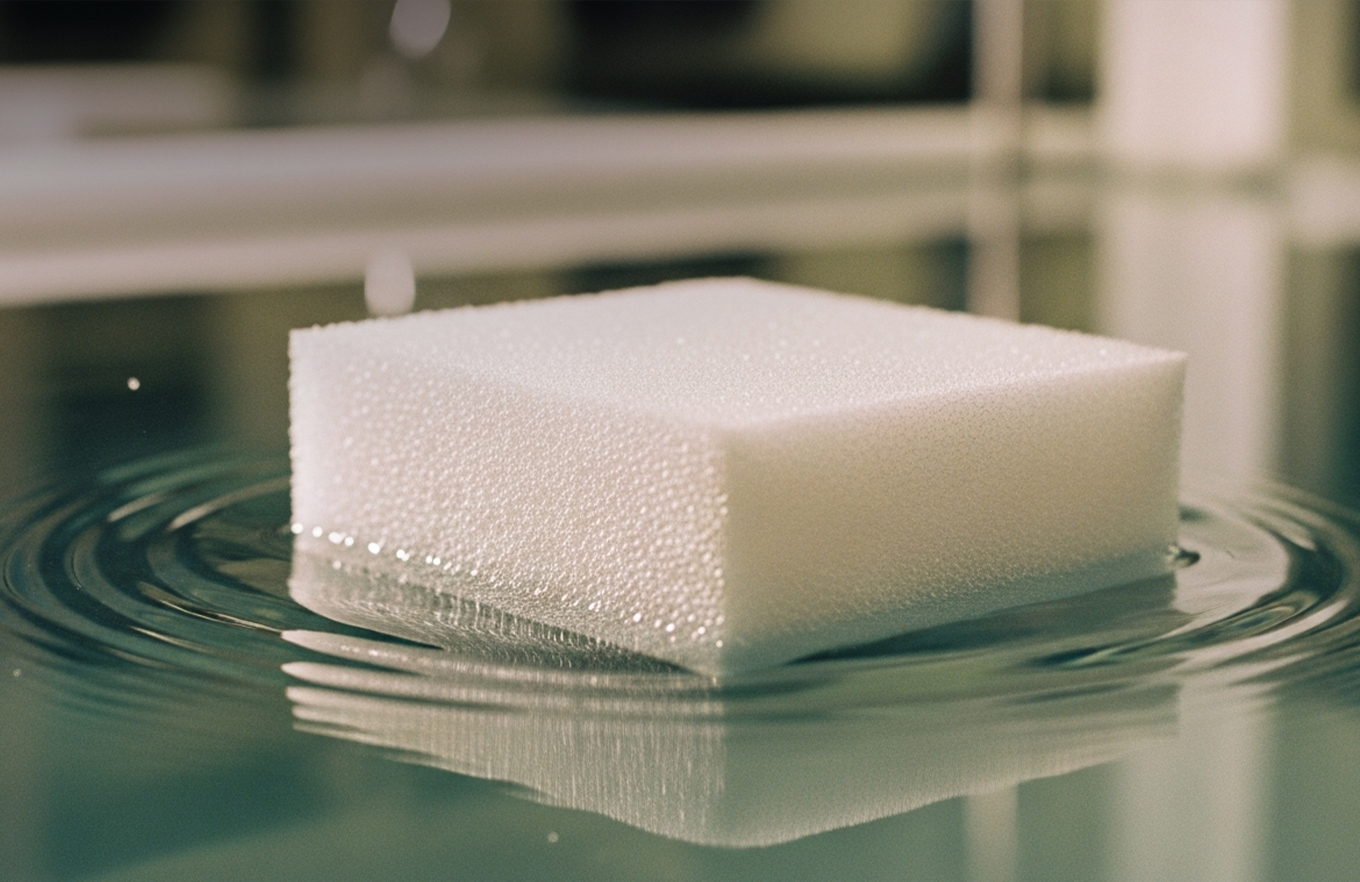
Buoyant foam is valued for its lightweight behavior, shock absorption, and reliable floatation capabilities. These qualities make it useful in industries that often struggle to balance durability with weight reduction. Designers in sports equipment, industrial protection, safety gear, and marine applications use buoyant foam to build structures that stay strong without adding unnecessary bulk. Many companies across the USA are now exploring new possibilities as buoyant foam allows them to simplify manufacturing while improving end-product performance.
Samad Foam has played a steady role in this rising trend by producing material grades that offer a mix of low density and reliable cushioning. The brand supports design teams that want to experiment more confidently without the fear of premature material failure.
The biggest advantage of buoyant foam is that it allows shapes and components to remain rigid while still providing support, impact protection, and structural integrity. Designers use it to reduce dependency on heavier materials that limit mobility or increase cost. Industries that prioritise efficiency find that buoyant foam performs well under pressure, moisture, and physical stress.
Even in Europe, designers rely on high-quality buoyant foam supplied by manufacturers such as Samad Foam to craft lighter equipment that still meets strict performance benchmarks. As product expectations shift, buoyant foam helps companies explore new form factors that previously seemed unachievable.
Sustainability has become a stronger priority, and this is where recycled foam enters the picture. Many production teams now blend recycled foam into buoyant foam components to create more responsible designs without compromising performance. The lightweight nature of buoyant foam already reduces material waste, and recycled foam strengthens this advantage further.
Samad Foam supports these eco-friendly transitions by guiding companies that want to adopt more circular production methods. As recycled foam continues to mature, designers benefit from lower costs, better environmental scores, and improved acceptance in international markets.
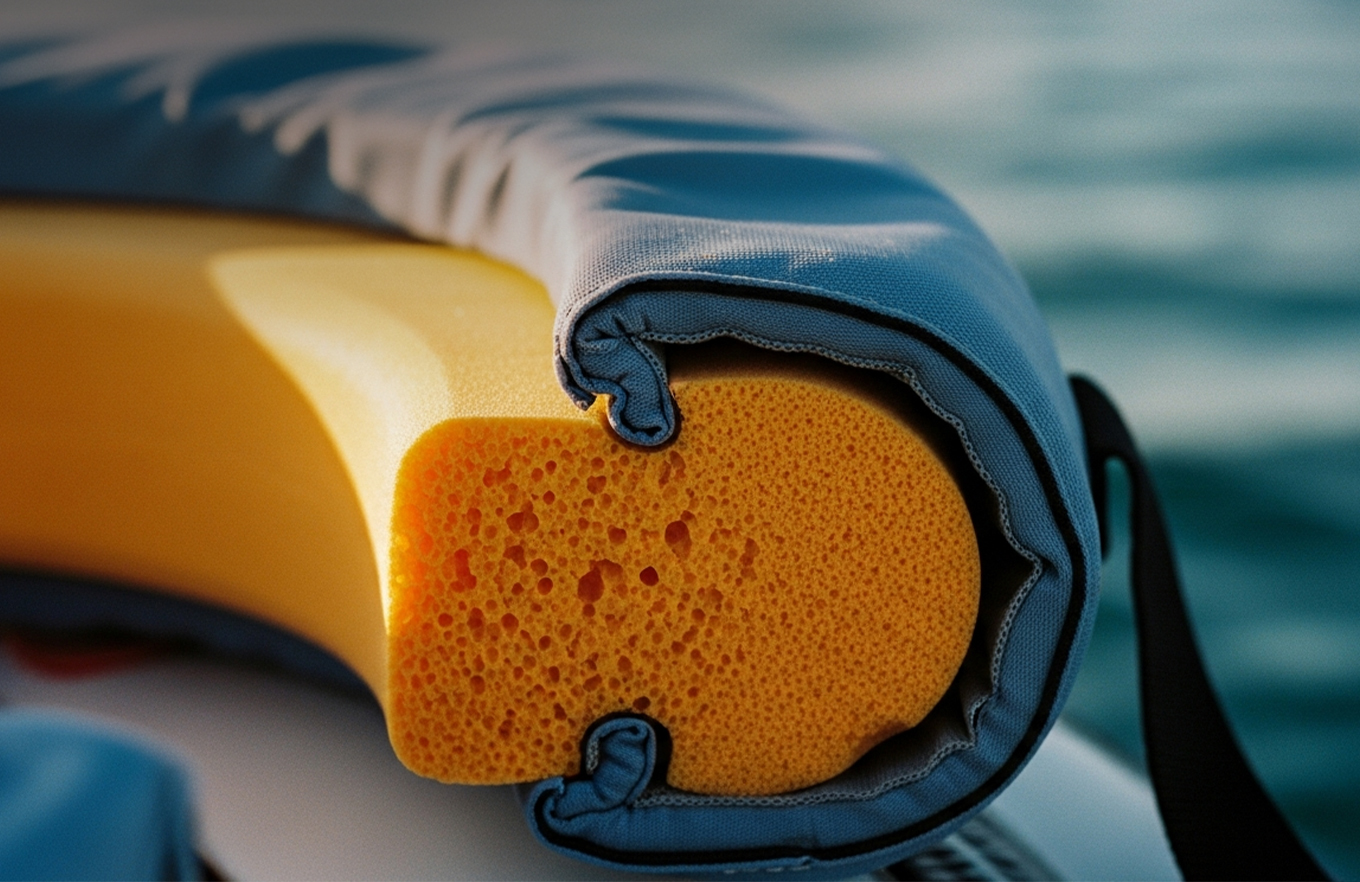
In marine products, buoyant foam remains essential for floatation, stability, and resistance to harsh environments. Safety equipment manufacturers rely on the material for predictable support across a variety of underwater or wet conditions. By designing new shape-retaining components, buoyant foam helps them keep products light without compromising safety.
In sports goods, designers use buoyant foam because it adds cushioning without affecting agility. From training accessories to fitness equipment, the foam helps brands craft products that feel softer and perform better under repeated use.
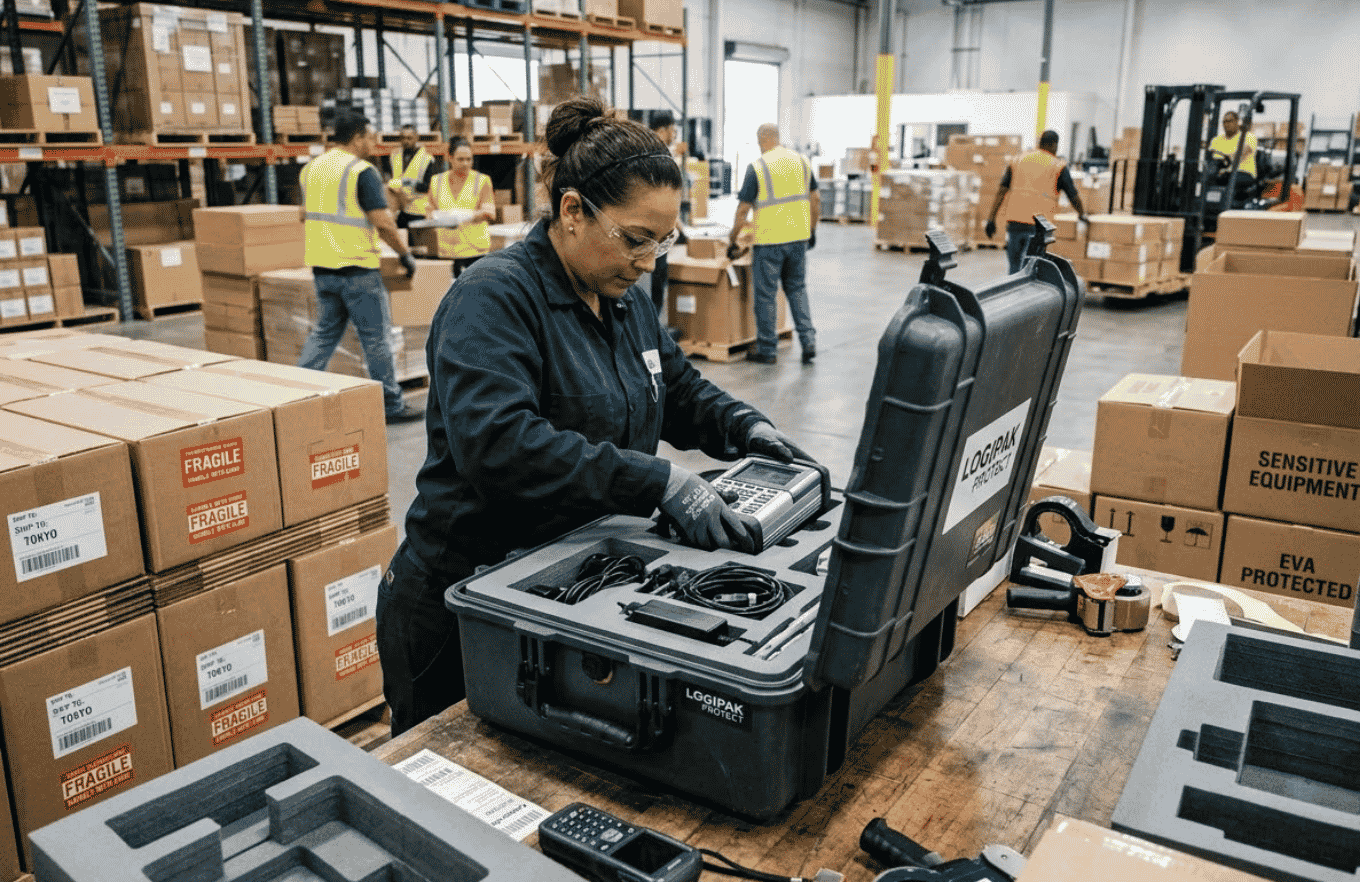
The industrial sector also leans on buoyant foam for delicate machinery protection during transportation. Since many companies now prefer stronger environmental responsibility, recycled foam blended with buoyant foam offers a balanced solution.
Each of these sectors benefits from Samad Foam’s consistent quality control, which gives designers the confidence to test innovative shapes throughout their development cycle.
Traditional materials like wood, rubber, or heavy polymer blends can limit creativity. Buoyant foam gives designers more freedom because it is easier to cut, mold, compress, and shape. It performs strongly under movement and pressure, making it a top choice for lightweight product structures.
Additionally, buoyant foam maintains its structure over time, giving end users a more reliable experience. When combined with recycled foam, it offers a sustainable edge that appeals to modern global consumers. This balance of creativity, performance, and green responsibility is a major reason why buoyant foam continues to dominate new design conversations.
Samad Foam frequently works with teams across the USA seeking more durable yet lightweight alternatives. This partnership between creativity and material science pushes the industry in a more forward-thinking direction.

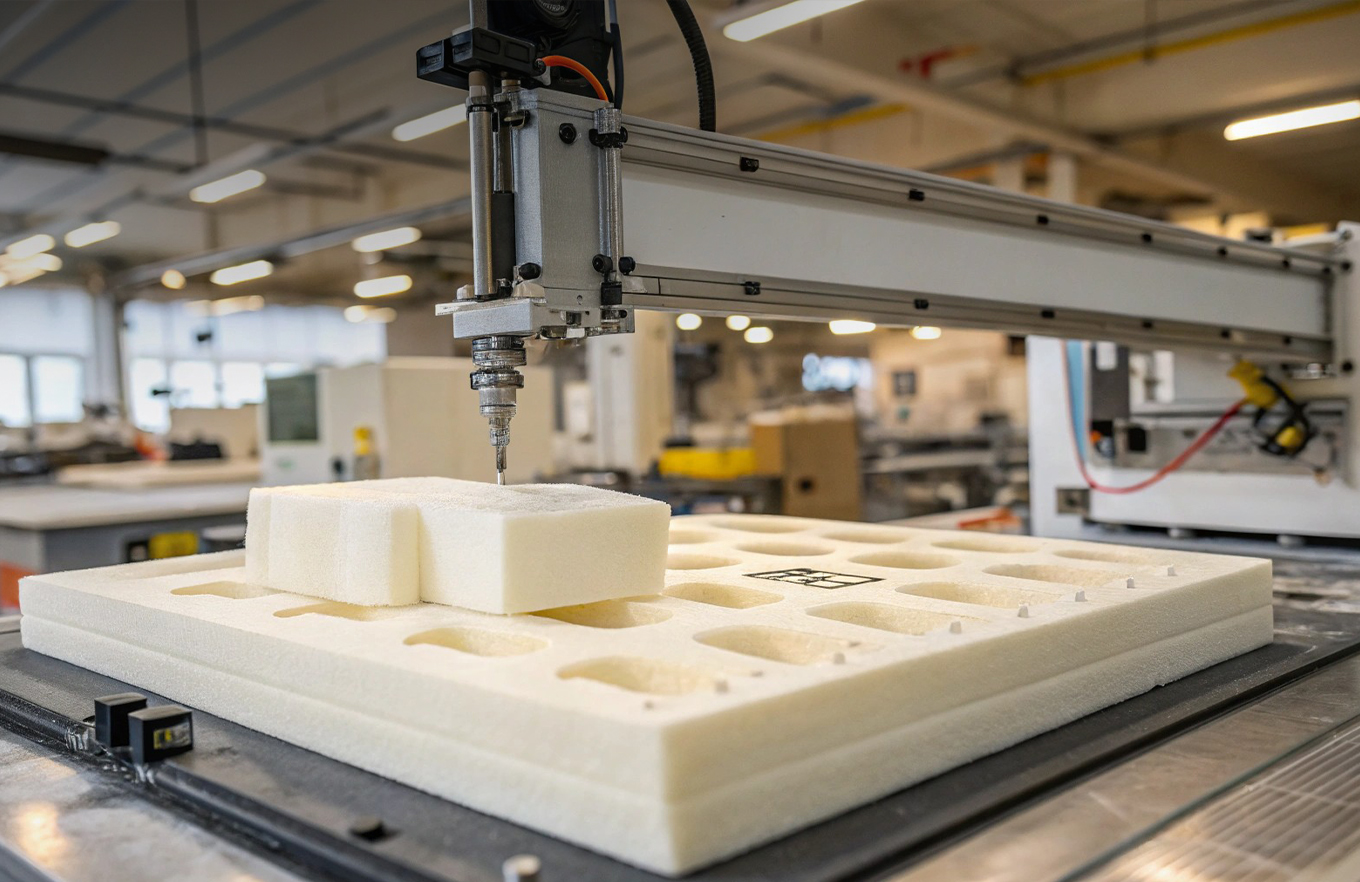
As industries worldwide demand lighter, cleaner, and more adaptable materials, buoyant foam will continue gaining traction. Its ability to work alongside recycled foam makes it suitable for the next generation of product engineering. Digital prototyping and precision manufacturing further improve how designers experiment with foam structures, giving them a stronger sense of control and accuracy.
Manufacturers like Samad Foam continue to innovate, ensuring material consistency and global supply, which supports designers in international markets. With more industries shifting toward lightweight construction, buoyant foam is positioned to become an even more central part of modern product development.
Ready to explore smarter buoyant foam solutions for your next project? Contact us today to get expert guidance and reliable support.
The rise of buoyant foam shows how designers are rethinking the relationship between strength, weight, and sustainability. Whether used alone or paired with recycled foam, the material brings new energy into sectors that depend on innovation. With companies like Samad Foam providing consistent and high-quality foam solutions, designers in the USA, Europe, and beyond can confidently build lighter structures without sacrificing performance. As industries continue prioritising flexibility, durability, and sustainability, buoyant foam promises to stay at the center of modern product development.
Buoyant foam is essential because it offers strong support at a low density, allowing designers to build lighter products without losing durability or impact resistance.
Yes, recycled foam can be blended into buoyant foam components to improve sustainability and lower production waste while maintaining reliable performance levels.
Industries such as marine equipment, sports goods, packaging, and protective gear benefit the most because buoyant foam enhances stability, comfort, and lightweight design.
.svg)

.svg)