EVA foam is one of those materials that quietly powers countless industries, from footwear to fitness mats and protective packaging. Its lightweight, flexible, and shock-absorbing nature makes it a favourite among manufacturers worldwide. As we go further into it, you’ll realise why it’s considered one of the most versatile polymers today. Whether it’s in yoga studios, sports gear, or industrial insulation, this material plays an essential role in modern comfort and safety.
At Samad Foam, the process of manufacturing high-quality EVA foam is both a science and an art, combining advanced technology with years of material expertise. Let’s walk through how EVA foam transforms from raw pellets into the soft yet strong sheets used in EVA mats and countless other applications.
EVA stands for Ethylene Vinyl Acetate, a copolymer made by combining ethylene and vinyl acetate. This combination gives EVA foam its signature flexibility, resilience, and smooth texture. The more vinyl acetate content there is, the softer and more elastic the foam becomes.
EVA foam is prized for being lightweight, non-toxic, water-resistant, and shock-absorbent. It doesn’t crack or crumble easily, even after long use, which is why it’s commonly found in EVA mats, footwear soles, packaging, and automotive interiors.
At Samad Foam, quality EVA foam starts with sourcing premium-grade raw materials. Each batch undergoes strict quality checks to ensure consistent cell structure and density, especially for clients in the USA, where durability standards are extremely high.
The journey begins with carefully chosen raw materials. Ethylene, derived from petroleum or natural gas, and vinyl acetate are the primary components. These are blended under controlled heat and pressure to create the copolymer resin known as EVA.
To achieve different levels of hardness and elasticity, additives such as colour pigments, stabilisers, or UV protectors are mixed into the resin. This stage is crucial; tiny adjustments can change the foam’s flexibility, density, or appearance. Samad Foam technicians fine-tune each batch to meet diverse global needs, especially for markets like Europe, where sustainability and performance are top priorities.
Once the raw EVA copolymer is prepared, it is shaped into small pellets or granules. These pellets are carefully placed into heated molds, where controlled pressure and temperature cause the material to soften and expand. Blowing agents within the copolymer create millions of tiny air pockets, giving the foam its characteristic cushioning and lightweight structure.
After molding, the EVA sheets are cooled while still in the molds to maintain uniform thickness and density. This process ensures consistent cell distribution, resulting in smooth, resilient sheets that form the basis for high-quality EVA mats, ideal for sports, yoga, and fitness applications.
After compression molding, the sheets undergo crosslinking, a chemical process that strengthens the foam’s structure. Crosslinking bonds the polymer chains, enhancing elasticity and preventing deformation under pressure or heat.
This stage gives EVA foam its long-lasting shape and resilience. The sheets are placed in large ovens and heated at precise temperatures, ensuring that every inch develops uniform density and bounce. Samad Foam uses controlled curing methods to guarantee quality consistency across every batch, maintaining its reputation for excellence in the international foam market.
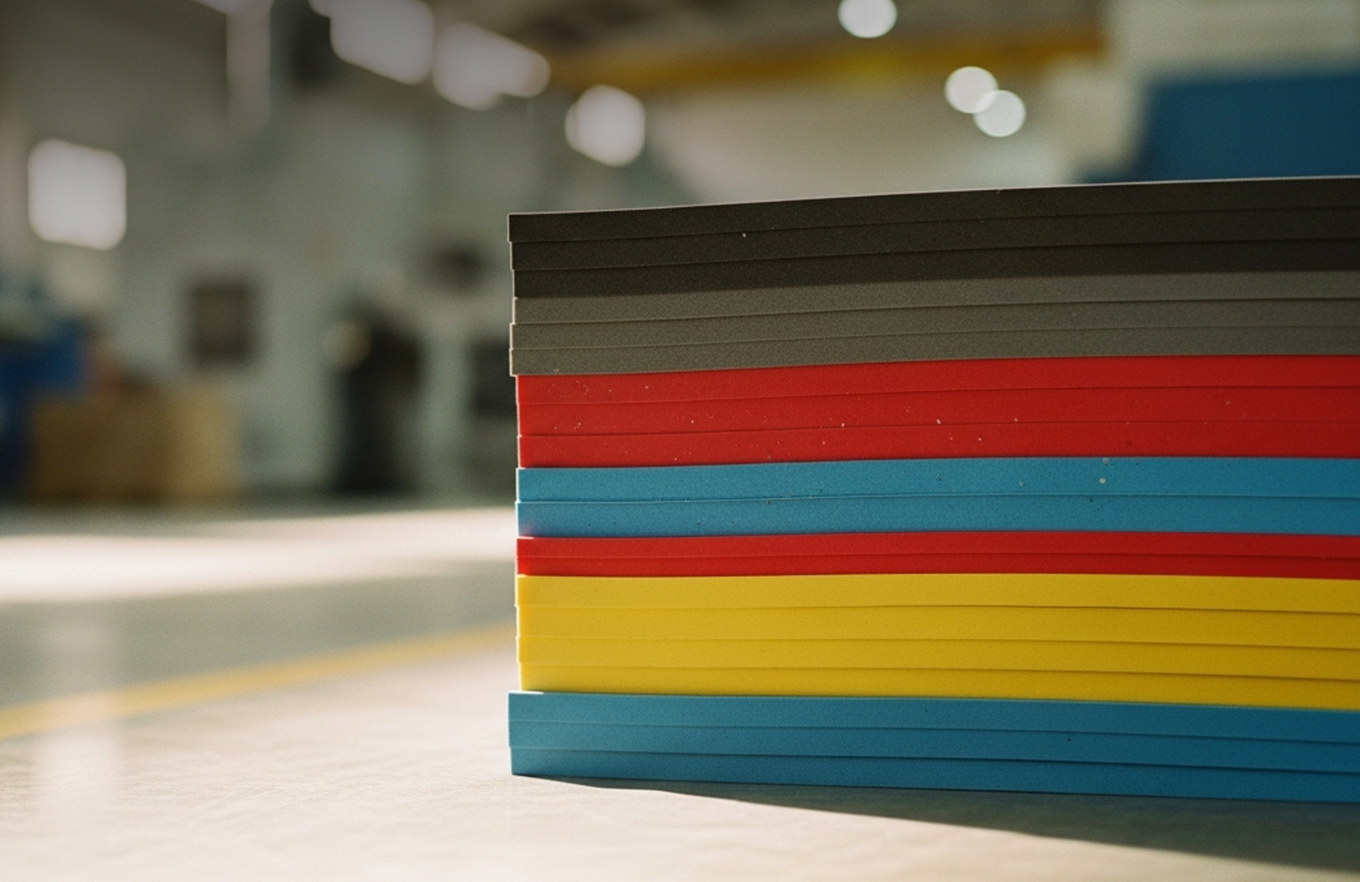
Once cured, the foam sheets are cooled, trimmed, and cut into various thicknesses or dimensions depending on their end use. Some are laminated with films for additional strength or texture, while others are die-cut for specific product shapes, like insoles or EVA mats.
For manufacturers, customisation is key. Clients often request different colours, embossing patterns, or surface textures to match their brand identity.
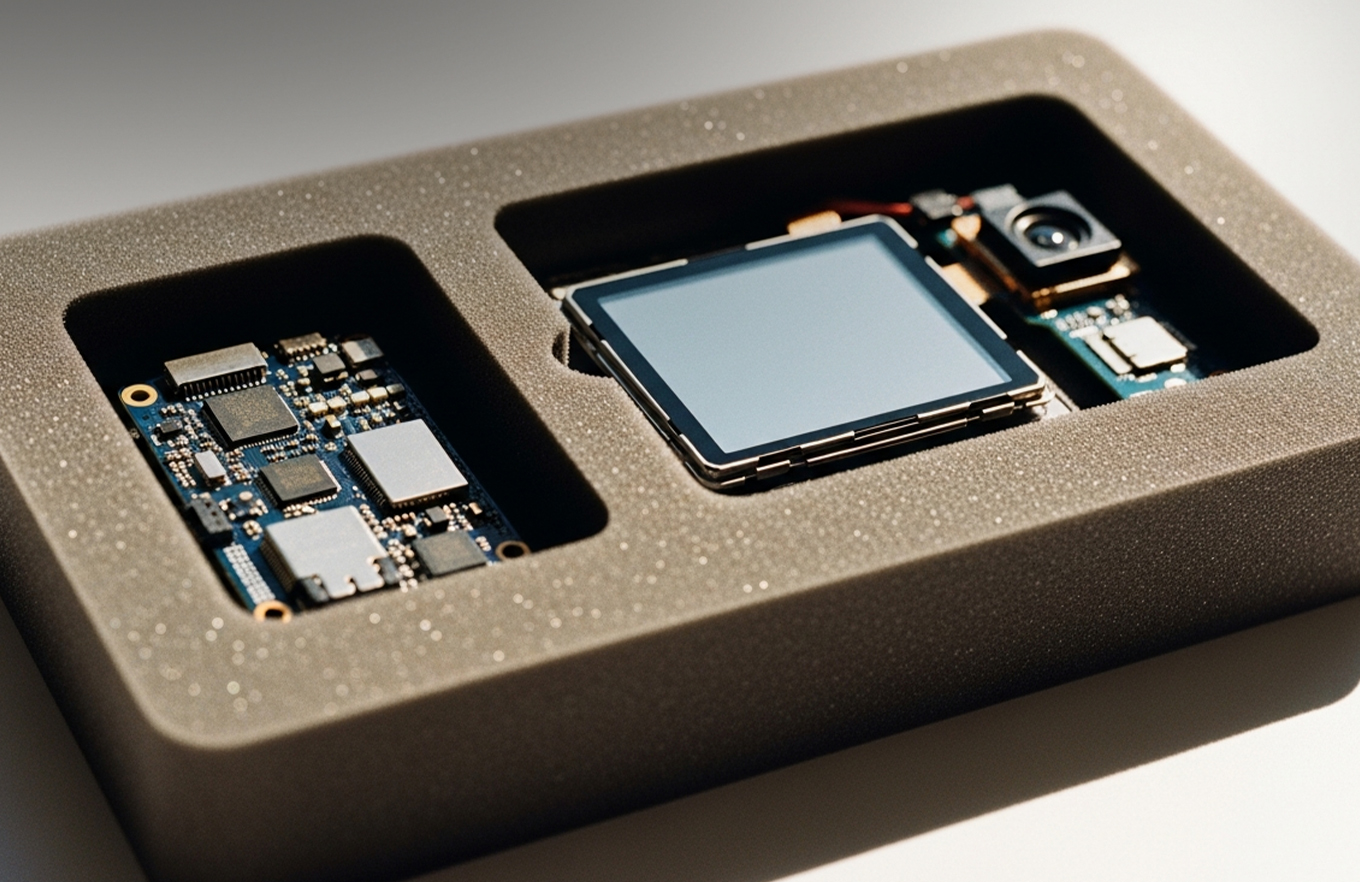
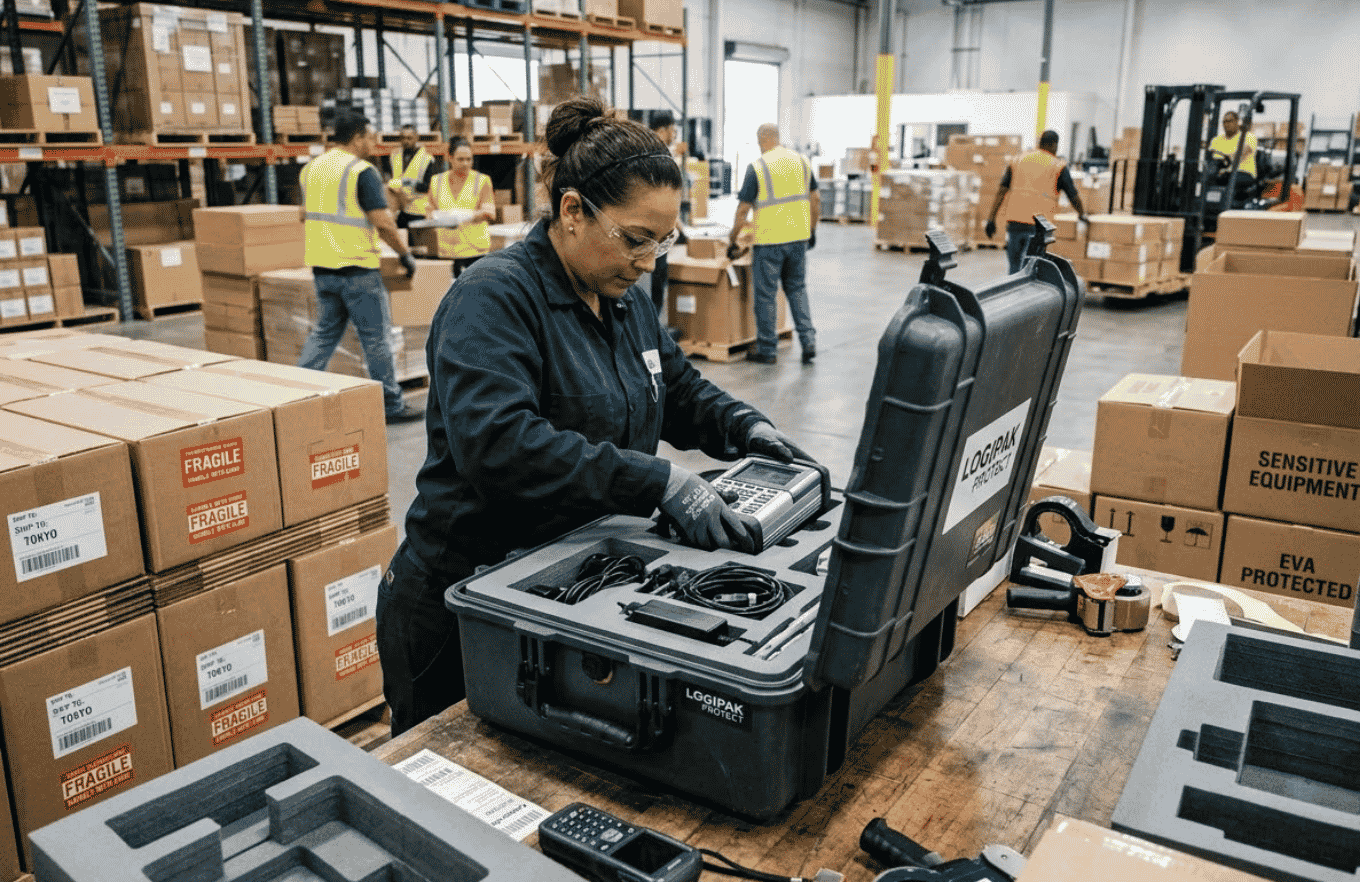
EVA foam’s versatility makes it a backbone material across multiple industries. From yoga mats that provide comfort and grip during workouts to packaging inserts that cushion fragile electronics, its adaptability is unmatched.
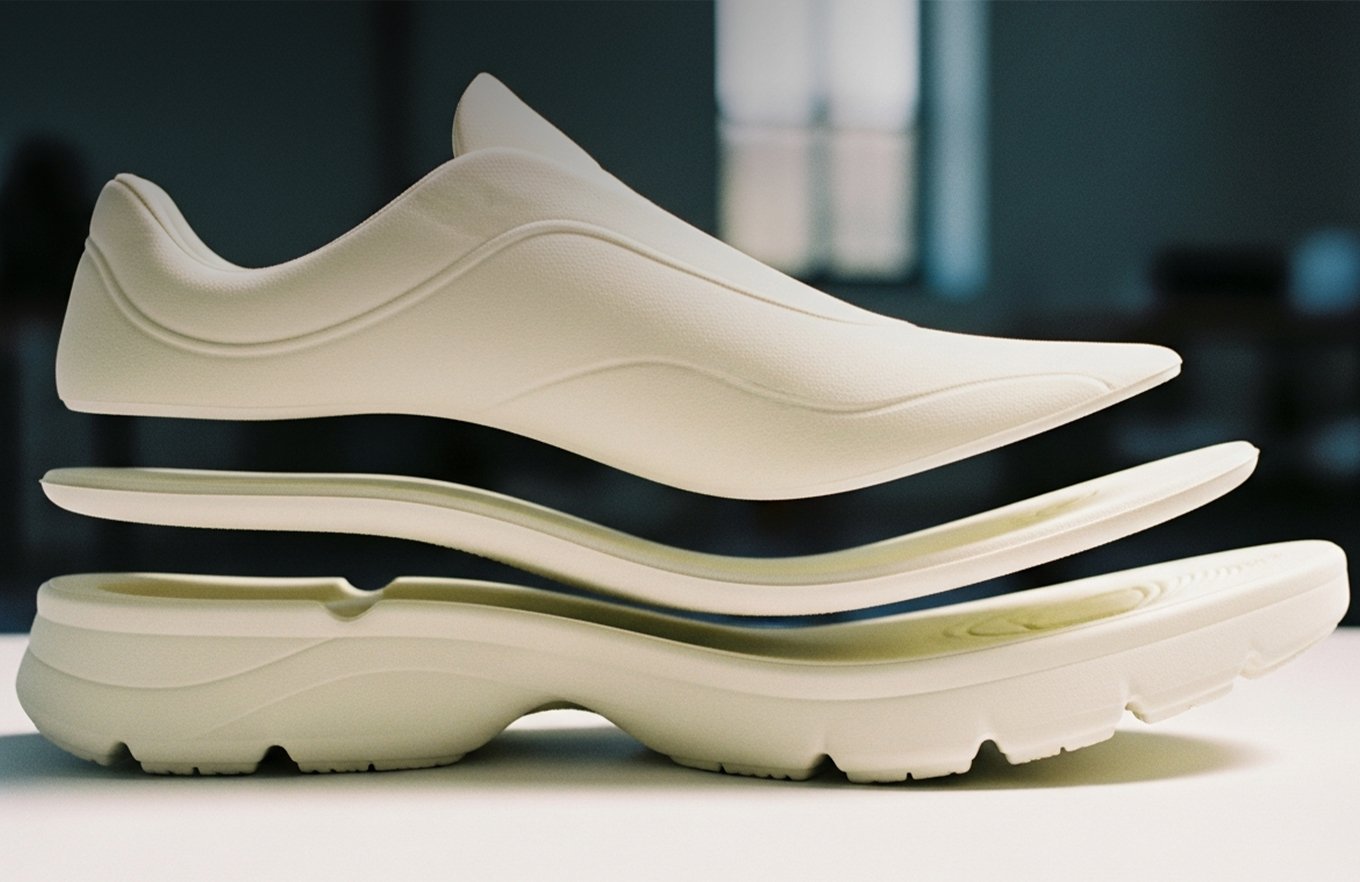
In the USA, EVA foam is widely used in sports gear and footwear for its impact absorption and comfort. Meanwhile, in Europe, manufacturers favour it for sustainable, recyclable design projects where performance and environmental responsibility meet. Samad Foam supplies both markets with the same commitment to quality and innovation.
The reason EVA foam continues to dominate industries lies in its perfect balance of strength, softness, and resilience. It can handle compression, recover quickly, and maintain shape for years, all while staying lightweight.
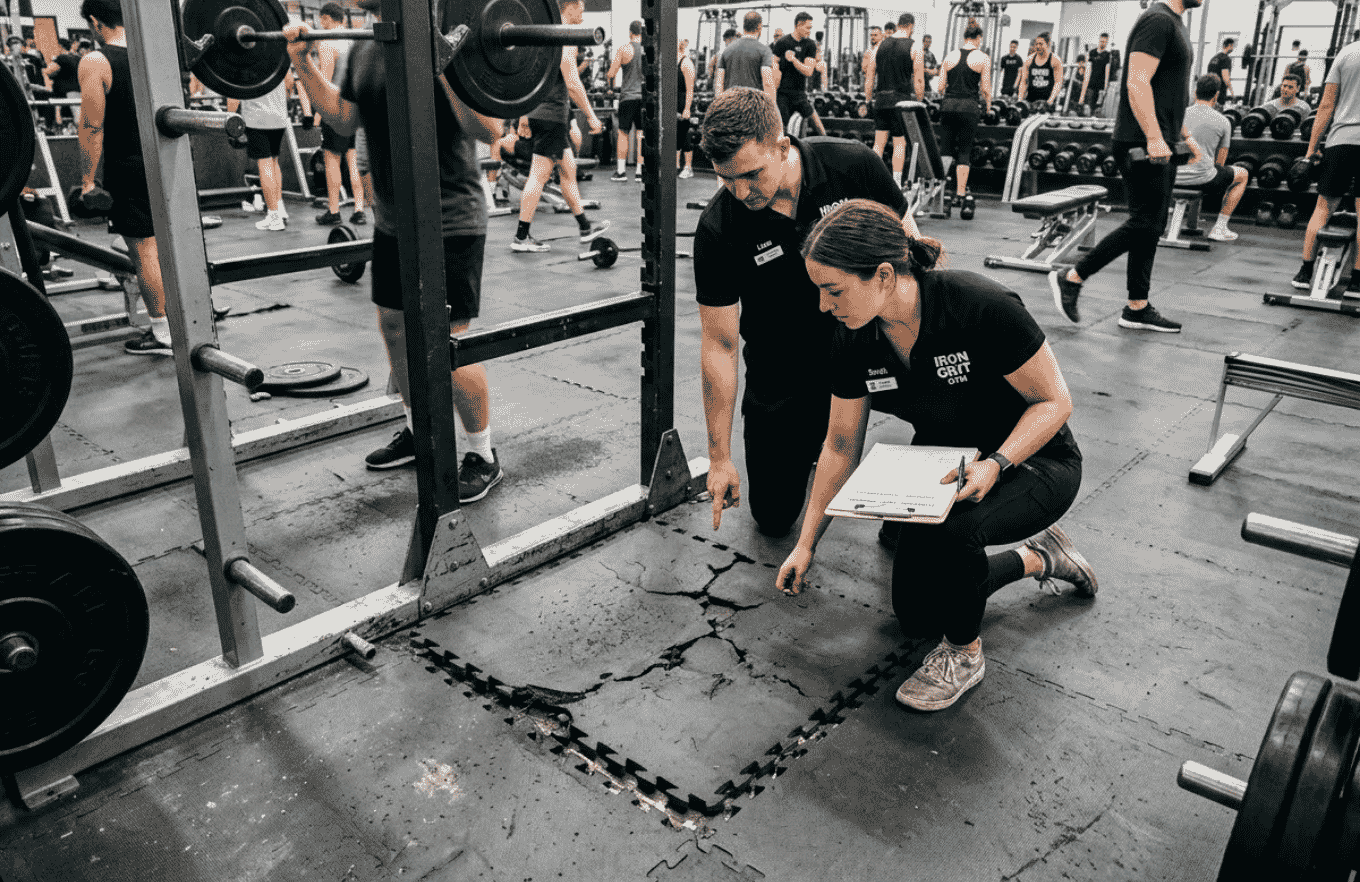
EVA mats, for example, are ideal for gyms, schools, and homes because they combine comfort and toughness. Their ability to absorb shock and resist moisture makes them an unbeatable flooring solution. With advancements in polymer engineering, manufacturers like Samad Foam are continuously improving foam technology to deliver even better performance with reduced environmental impact.
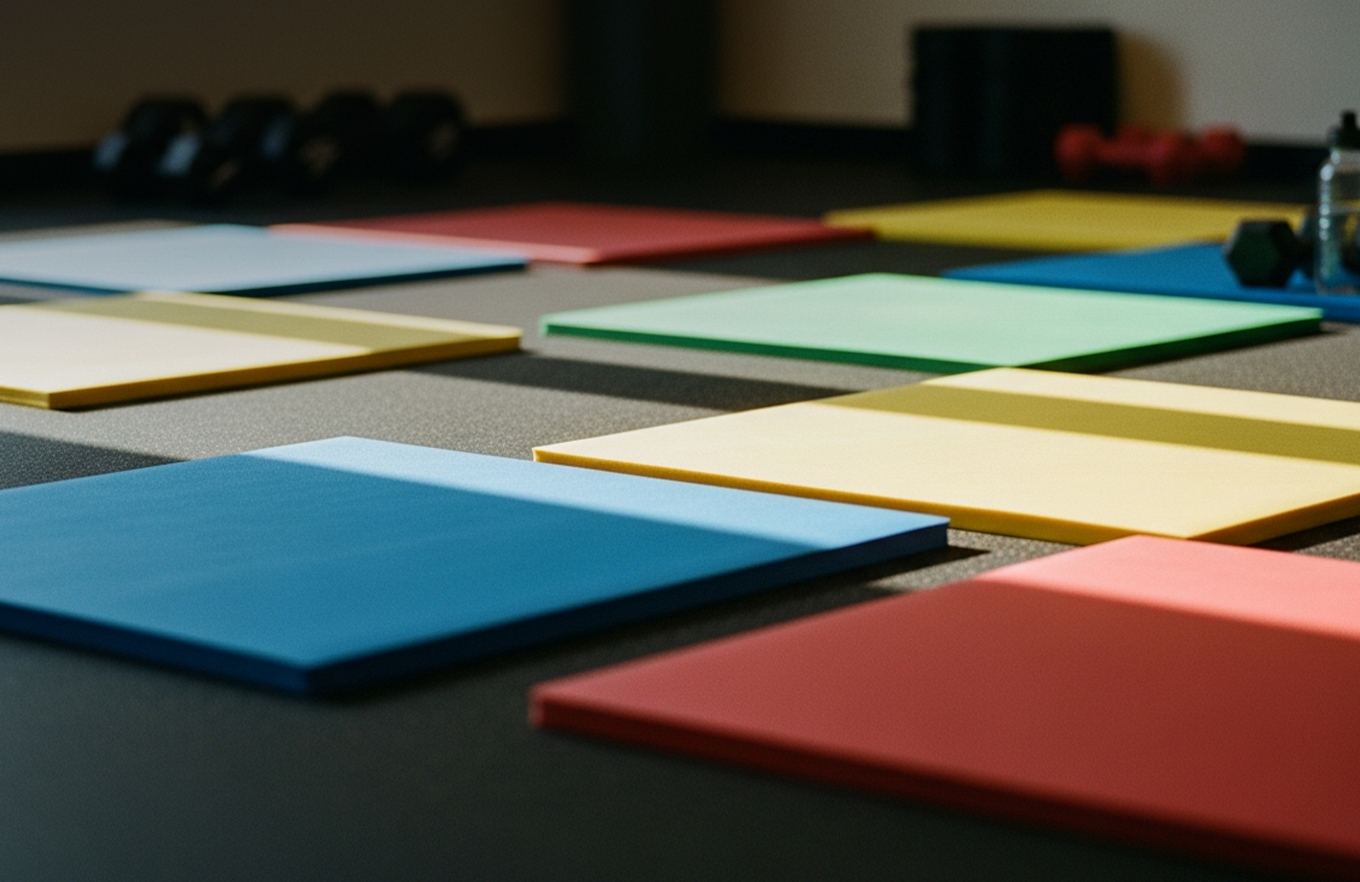
The foam industry is not standing still. Modern production lines now integrate automation, smart temperature control, and recycling systems that reduce waste and energy use. Recycled EVA materials are also entering mainstream production, promoting sustainability without compromising quality.
Samad Foam is at the forefront of these changes, investing in cleaner production techniques and advanced compression molding systems. The goal is clear: to meet growing international demand for high-performance EVA foam and EVA mats that last longer, perform better, and feel exceptional.
EVA foam may look simple, but its production involves precision, science, and creativity at every stage. From selecting the right raw materials to crafting the final sheet, each step defines its quality and durability. Samad Foam continues to push boundaries, supplying industries across the USA and Europe with premium-grade EVA foam and EVA mats that redefine comfort, strength, and performance.
Experience the best in foam innovation and quality. Contact Samad Foam today for your custom EVA foam needs.
EVA foam is made from ethylene and vinyl acetate copolymer resin, blended with additives like pigments and stabilisers for performance and durability.
EVA foam stands out for its elasticity, smooth surface, and strong impact resistance, making it ideal for products like EVA mats, shoes, and packaging.
Yes, EVA foam can be recycled into new sheets or products. Samad Foam integrates eco-conscious production methods to reduce waste and promote sustainable reuse.
.svg)

.svg)